
Natural stone wholesale in 2026 is governed by three levers—minimum order quantity (MOQ), Incoterms 2020 shipping terms (FOB, CIF, DDP), and batch quality control. Mastering landed-cost math and a pre-shipment inspection (PSI) routine is what separates profitable importers from those eroded by freight markups and breakage.
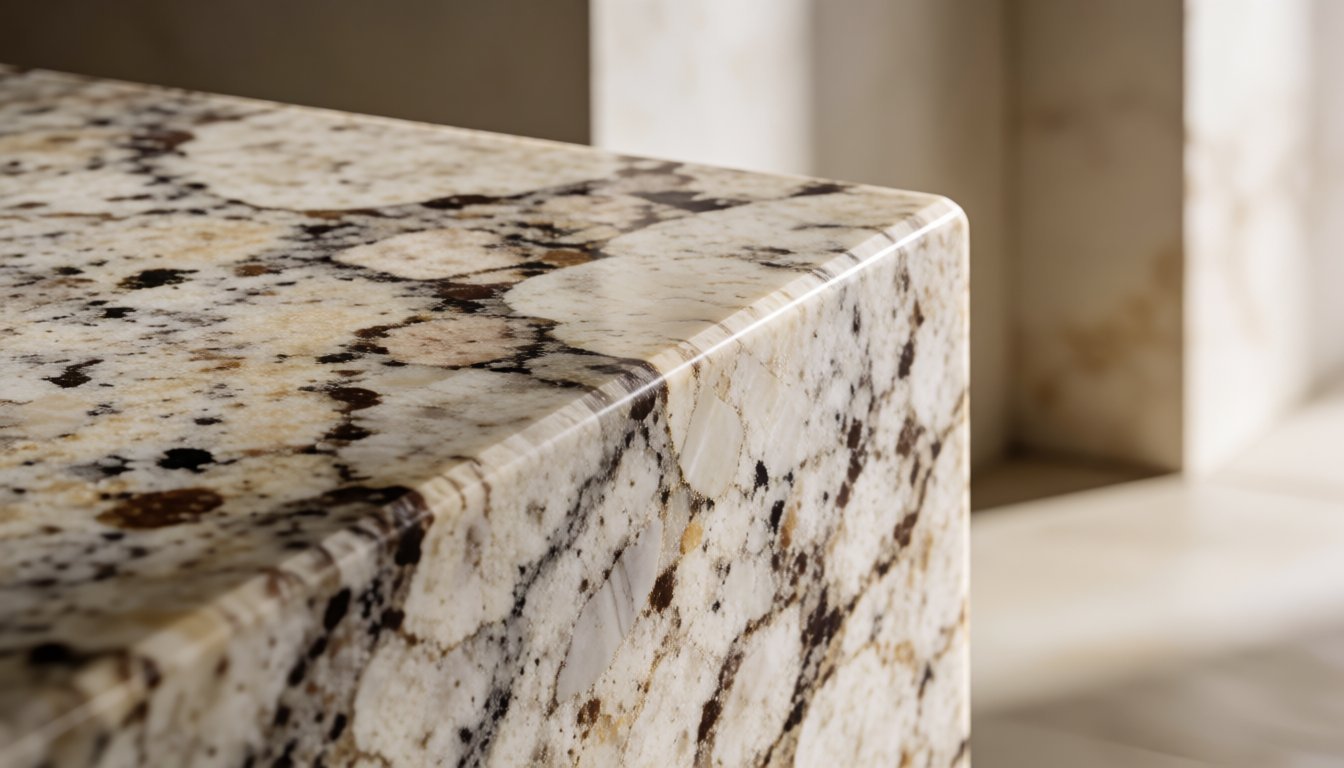

What Is Natural Stone Wholesale Buying?
Wholesale stone buying means purchasing marble, granite, travertine, or quartzite in volume—typically by slab bundle, crate, or full container—direct from a factory or exporter, then distributing, fabricating, or reselling. Unlike dropshipping, you own the inventory and the logistics, which is why MOQ, Incoterms, and quality control dominate the conversation. A standard 20-foot container of marble holds roughly 200 m² of slab; 3 cm material loads about 300–330 m². Planning take-offs to full-container volume is the single biggest freight efficiency lever.
Why Wholesale Beats Dropship for Volume Buyers in 2026
- Lower unit cost: Ex-factory pricing removes every middle layer a dropship chain adds.
- Batch consistency: One quarry bench, one block range—critical for bookmatching across a project.
- Logistics control: You choose the vessel, route, and arrival window.
- Margin headroom: Factory-direct ex-price funds aggressive local pricing or reinvestment.
The 2026 stone import is a 10–14 week exercise from deposit to arrival: 4–6 weeks of fabrication (block selection, gang-sawing, polishing, packing) plus 4–6 weeks of ocean transit. The citable block below frames the cost discipline that protects margin once the container is booked.
Incoterms 2020 set who pays for freight, insurance, and duty—and they decide your real margin per square meter. FOB (Free On Board) keeps the seller responsible only until the stone crosses the ship’s rail at the origin port, so you book and control ocean freight and avoid the hidden markups a manufacturer buries in a CIF or DDP quote; CIF adds freight and basic insurance to your destination port but hides logistics transparency; DDP delivers to your door at the highest price with the least buyer oversight. Professionals therefore compare every offer on fully landed cost—product plus freight, insurance, terminal handling, duties, and inland delivery—never on slab price alone, and they lock the exact load port (for example “FOB Xiamen”) to prevent disputes over terminal fees.
Step 1 – Understand MOQ and Pricing Tiers
Factories batch-produce, so MOQs reward full containers. A 30% deposit secures the block; balance is paid against the Bill of Lading. Negotiate tiered pricing by container count.
| Order size | Unit price | Consistency | Best use |
|---|---|---|---|
| Sample / LCL | Highest | Risk of mixed | Testing only |
| Half container | Medium | Good | Replenishment |
| Full container | Lowest | Best (single bench) | Volume buy |
| Multi-container | Tiered lower | Best | Distribution |
Step 2 – Choose the Right Incoterm
| Term | Seller pays to | Risk transfers | Buyer control | Use when |
|---|---|---|---|---|
| EXW | Factory gate | Factory gate | Maximum | You have China freight agent |
| FOB | Loaded on vessel | Ship’s rail | High | Industry standard |
| CIF | Dest. port + ins. | Ship’s rail | Medium | Testing a new supplier |
| DDP | Your door | Your door | Minimum | Zero logistics hassle |
Step 3 – Model Landed Cost (FOB vs CIF)
Always request both quotes and compare total cost at your warehouse. A CIF price can look simpler but often hides freight inefficiencies and terminal handling fees of $100–$500.
| Cost component | FOB (buyer pays) | CIF (seller pays) |
|---|---|---|
| Slab + inland + export | In FOB price | In CIF price |
| Ocean freight | You ($2,500–4,000) | Seller |
| Marine insurance | You ($50–100) | Seller |
| Import duties | You | You |
| Inland delivery | You | You |
Step 4 – Run a Pre-Shipment Inspection (PSI)
Accepting material you never inspected at the factory is the top cause of import disputes. A third-party PSI (SGS, Bureau Veritas, Intertek; ~$300–600) verifies color, dimensions, and backing before the container seals.
| Check | Pass standard |
|---|---|
| Thickness | Within ±1 mm of spec |
| Color / veining | Matches control sample |
| Calibration | No under-calibration (20mm sold as 18.5mm) |
| Backing / resin | Present on fragile exotics |
| Loading photos | Bracing & weight even |
Step 5 – Specify Sea-Worthy Packaging
Packaging is non-negotiable for ocean transit. Require ISPM-15 fumigated wooden crates or A-frames, internal foam, and corner protectors. Request container-loading photos to prove bracing and even weight distribution—the primary defense against in-transit shifting and breakage.
| Item | Standard |
|---|---|
| Crates | ISPM-15 fumigated |
| Slabs | Reinforced bundle / A-frame |
| Cushioning | Internal foam + corner guards |
| Breakage allowance | 2–3% logistical (beyond = claim) |
Step 6 – Know the Lead-Time Timeline
- Week 0: 30% deposit, block reserved, control sample signed.
- Week 1–6: Fabrication, polishing, PSI, packing.
- Week 6–12: Ocean transit + customs clearance.
- Week 12–14: Inland delivery to warehouse; verify docs on arrival.
Standards & Authority That Unlock Customs
| Standard | Covers | Market |
|---|---|---|
| ASTM C503 | Marble dimension stone | USA |
| ASTM C615 | Granite dimension stone | USA |
| ASTM C97 | Absorption & specific gravity | USA |
| ASTM C1028 | Slip resistance | USA |
| EN 1469 | Natural stone slabs | EU (CE/CPR) |
| ISO 9001 / 14001 | Quality / environmental system | Global |
Require test certificates aligned with ASTM C503/C615 or EN 1469, plus a Certificate of Origin and Packing List verified against physical inventory on arrival. Read our export packaging & batch QC deep dive for the full checklist.
Frequently Asked Questions
What MOQ should I expect for natural stone wholesale in 2026?
Factories prefer full-container or near-full-container orders for cost and color consistency. LCL or single-bundle buys carry surcharges and higher breakage risk—reserve them for sampling only.
FOB or CIF—which is better for a stone import?
FOB is the industry standard for experienced importers: you control ocean freight and avoid the markups buried in CIF. CIF suits first-time buyers testing a new supplier; always compare landed cost, not slab price.
How long is the typical 2026 stone lead time?
About 10–14 weeks from deposit to arrival: 4–6 weeks fabrication plus 4–6 weeks ocean transit, then customs and inland delivery.
What is a pre-shipment inspection and do I need one?
A PSI (SGS/BV/Intertek, ~$300–600) verifies color, thickness, and backing before the container seals. It is strongly recommended for any order where a visual mismatch would ruin a project.
Which standards prove quality to customs and buyers?
ASTM C503 (marble), ASTM C615 (granite), ASTM C97 (absorption), ASTM C1028 (slip), and EN 1469 with CE/CPR for the EU. ISO 9001/14001 signal system maturity.
How should stone be packed for export?
ISPM-15 fumigated crates or A-frames, internal foam, corner protectors, and even weight bracing. Request loading photos; allow 2–3% logistical breakage, claim anything beyond with maritime insurance.
Glady Stone: Factory-Direct Stone Wholesale
Glady Stone ships marble, granite, travertine, and quartzite in full-container and mixed-load programs with FOB or CIF terms, PSI support, and ASTM/EN documentation.
Send your wholesale MOQ and specification sheet to Glady Stone for a landed-cost quote and container schedule.
Profitable stone wholesale in 2026 comes from comparing every quote on fully landed cost, specifying FOB for freight control, and enforcing a pre-shipment inspection—three disciplines that protect margin from the deposit to the warehouse door.
More B2B Stone Buying Guides
- FOB vs CIF: Which Shipping Term Fits Your 2026 Stone Import
- Export Packaging & Batch QC for Natural Stone Wholesale Orders (2026)
- Shopify Dropshipping Natural Stone in 2026: The Complete Seller Playbook