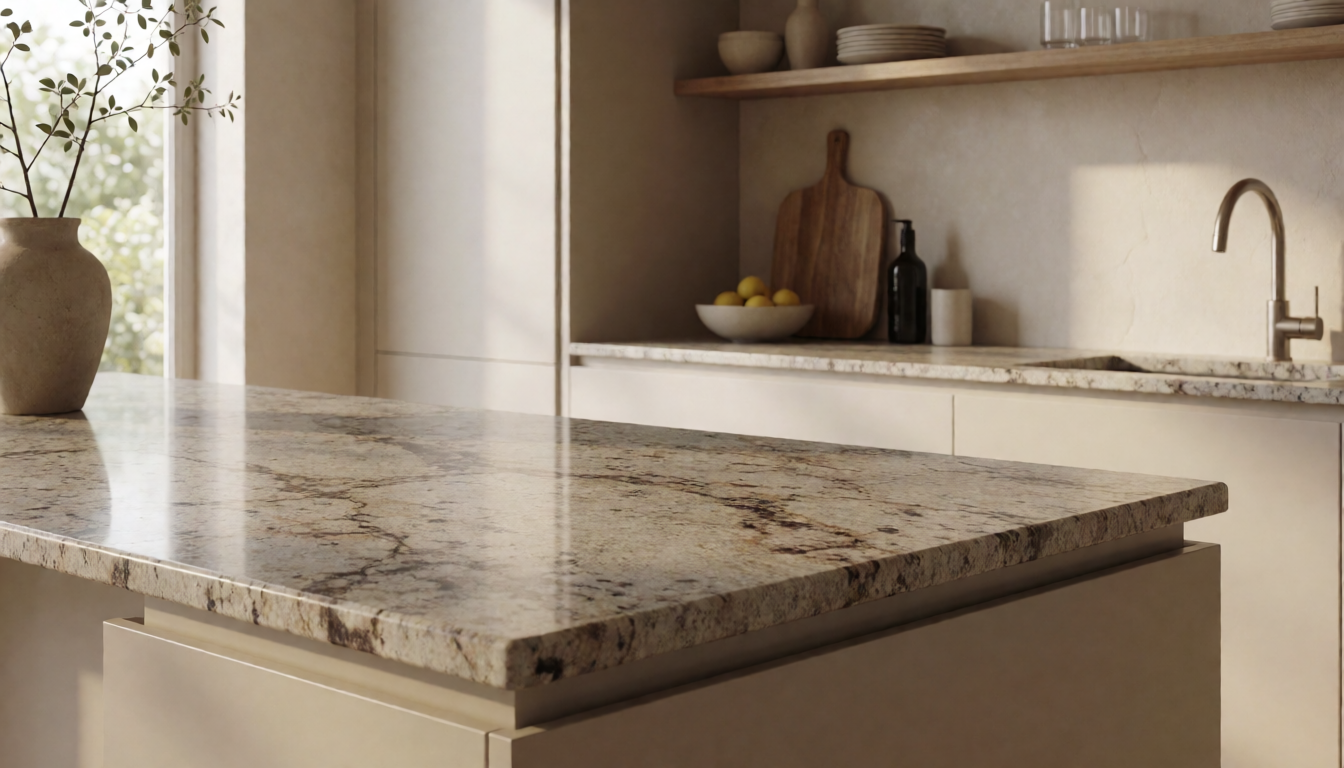
Stone Sealing Is Not Optional—It’s Part of the Specification
For contractors and installers, sealing is the final—and most frequently underestimated—step in a natural stone installation. A properly sealed marble or granite surface can look pristine for decades; a poorly sealed one can fail within months. This guide covers the essentials every professional should know.
1. Penetrating vs. Topical Sealers: Which to Specify
Penetrating (impregnating) sealers are the industry standard for natural stone. They absorb into the stone’s pores without changing its appearance, creating a hydrophobic barrier that repels liquids while allowing the stone to “breathe.” Topical sealers leave a visible coating on the surface—generally not recommended for marble, as they can yellow over time and require harsh strippers for removal. For B2B professionals: always specify penetrating sealers with a minimum 10-year expected performance for interior applications.
2. When to Seal: Timing Matters
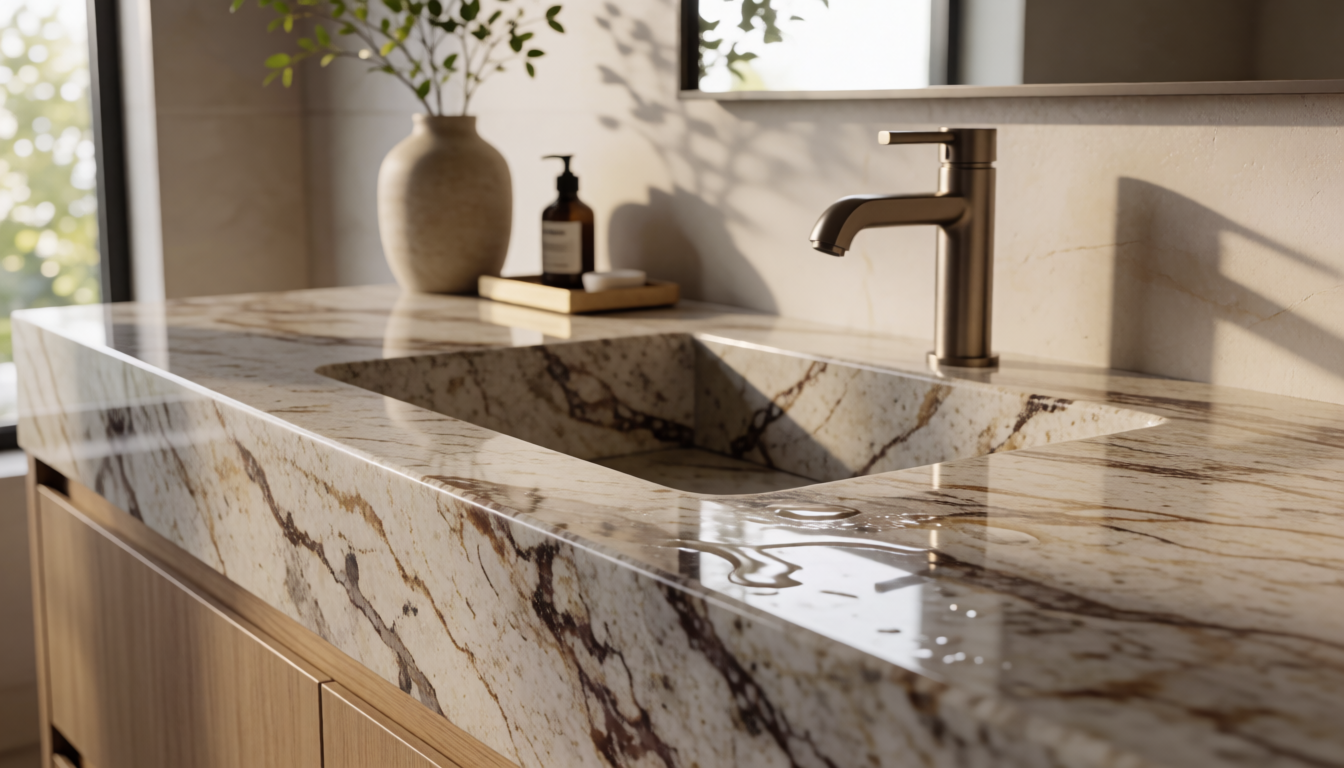
New installations should be sealed after grouting and before the client takes occupancy. However, factory-pre-sealed stone (like Glady Stone’s sealed sink collection) can reduce on-site labor. For existing installations, perform the water-drop test: place a few drops of water on the surface; if it darkens within 10 minutes, the stone needs resealing. This simple test should be part of every maintenance inspection checklist.
3. Application Best Practices for Professionals
Proper application technique is as important as product selection. Key steps: (1) Ensure the surface is completely clean and dry—24 hours minimum after any washing. (2) Apply sealer evenly using a lint-free cloth or low-pressure sprayer. (3) Allow 15–20 minutes dwell time (follow manufacturer specs). (4) Buff off all excess sealer thoroughly—residue left on the surface will create a hazy film. (5) Wait 24–48 hours before exposing to liquids.
4. Maintenance Schedules for Commercial Clients
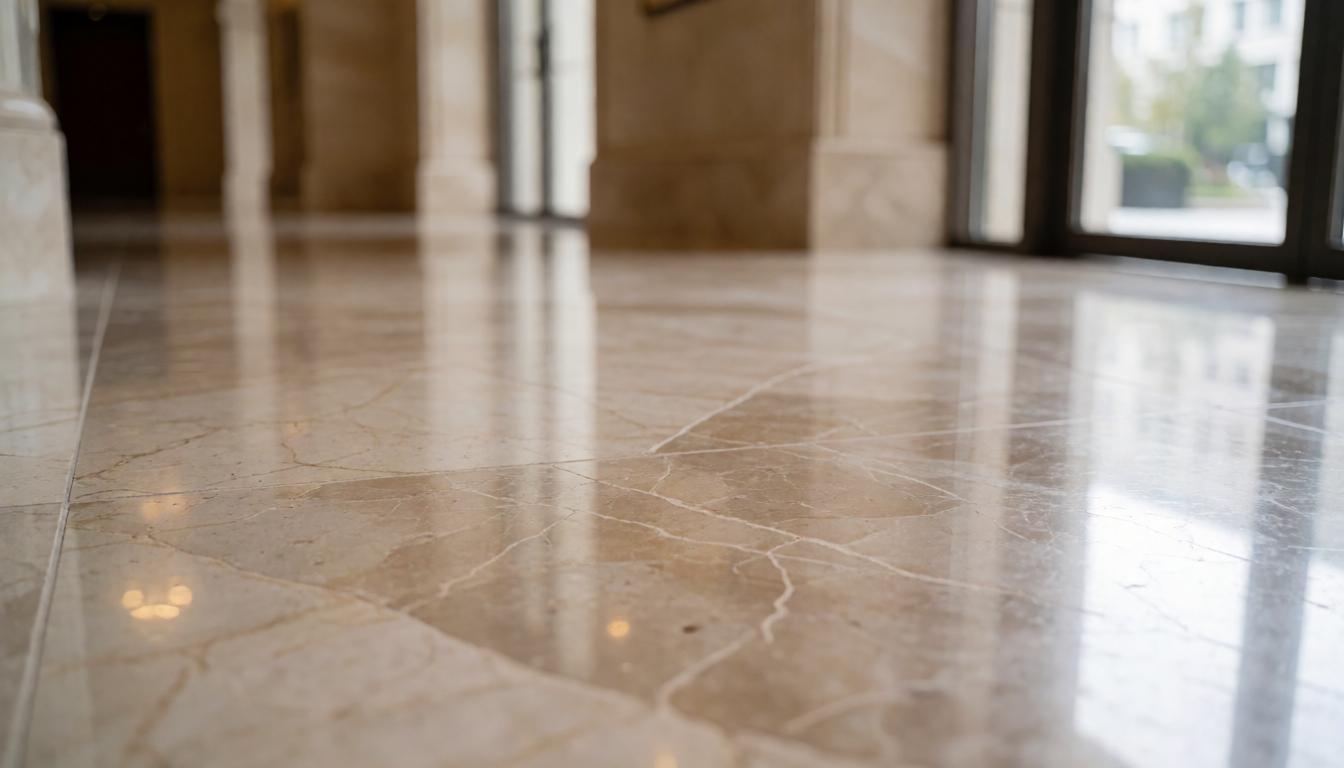
For facility managers and commercial property owners: sealing is not a one-time event. High-traffic areas (hotel lobbies, restaurant floors) may need resealing every 12–18 months. Residential applications typically require resealing every 3–5 years. Provide your clients with a written maintenance schedule at project handover—it demonstrates professionalism and reduces warranty claims.
Pro tip: Glady Stone’s factory-sealed products arrive with a maintenance guide tailored to the specific stone variety. Specify with confidence—request sealed natural stone products for your next project and reduce on-site finishing time.