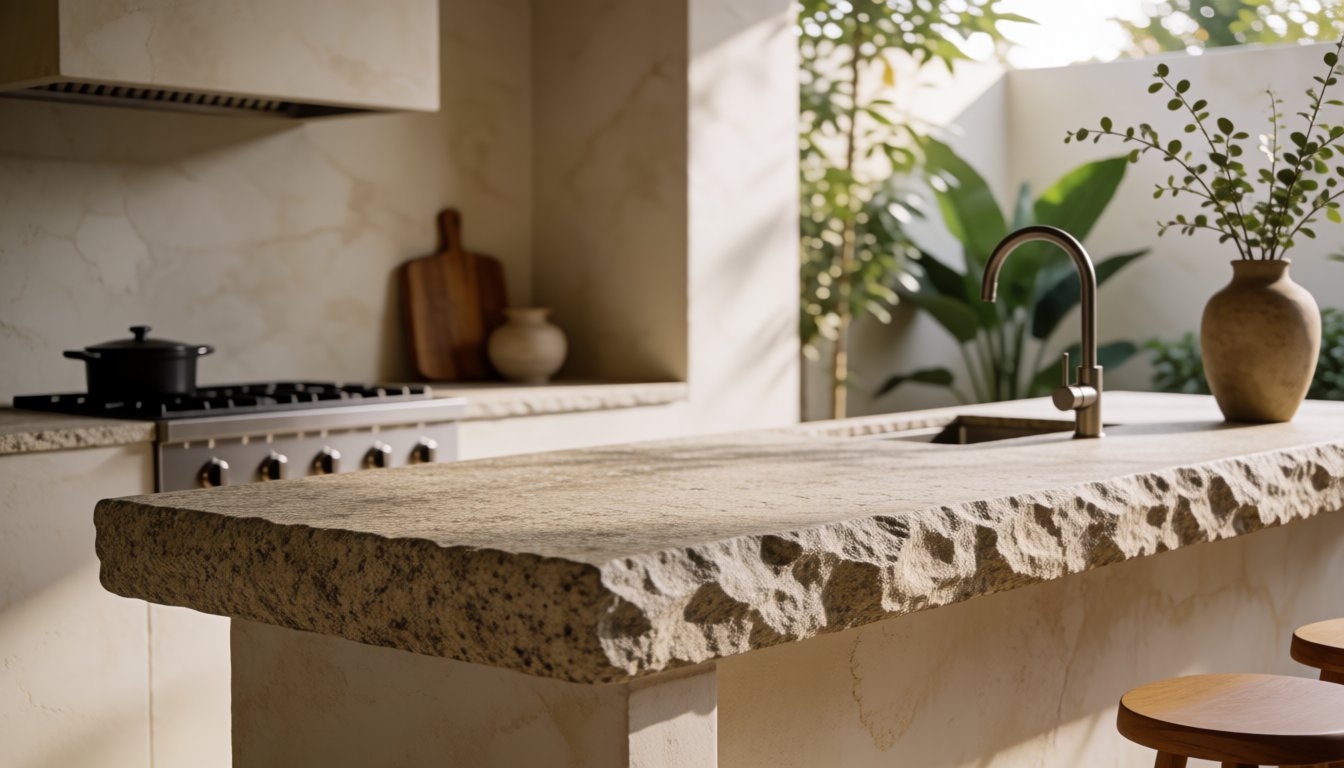
Choosing stone for an outdoor kitchen or patio project requires more than just aesthetic preference; it demands a strategic understanding of material durability, thermal properties, and finish longevity. For importers sourcing from China, the decision between granite, quartzite, and marble hinges on specific environmental factors like UV exposure and freeze-thaw cycles. As a buyer looking at catalogs from factories like Gladystone, you must evaluate how these materials perform when exposed to direct sunlight and rain without constant supervision. The right selection ensures the patio stone furniture remains functional for years while maintaining its visual appeal against harsh weather conditions.
Granite vs. Quartzite: The Durability Baseline
When sourcing outdoor kitchen stone, granite is almost always the first recommendation due to its inherent density and low porosity. Granites typically have an吸水率 (water absorption rate) under 0.5%, making them resistant to staining from oils or acidic spills common in outdoor cooking areas. From a manufacturing standpoint, heavy-grain granites like G603 or G683 are robust for vanity tops and dining tables but require careful handling during shipping due to their weight. A standard 90cm x 45cm granite slab for an outdoor sink usually weighs around 25kg to 30kg depending on the specific grain thickness (usually 2cm or 3cm).
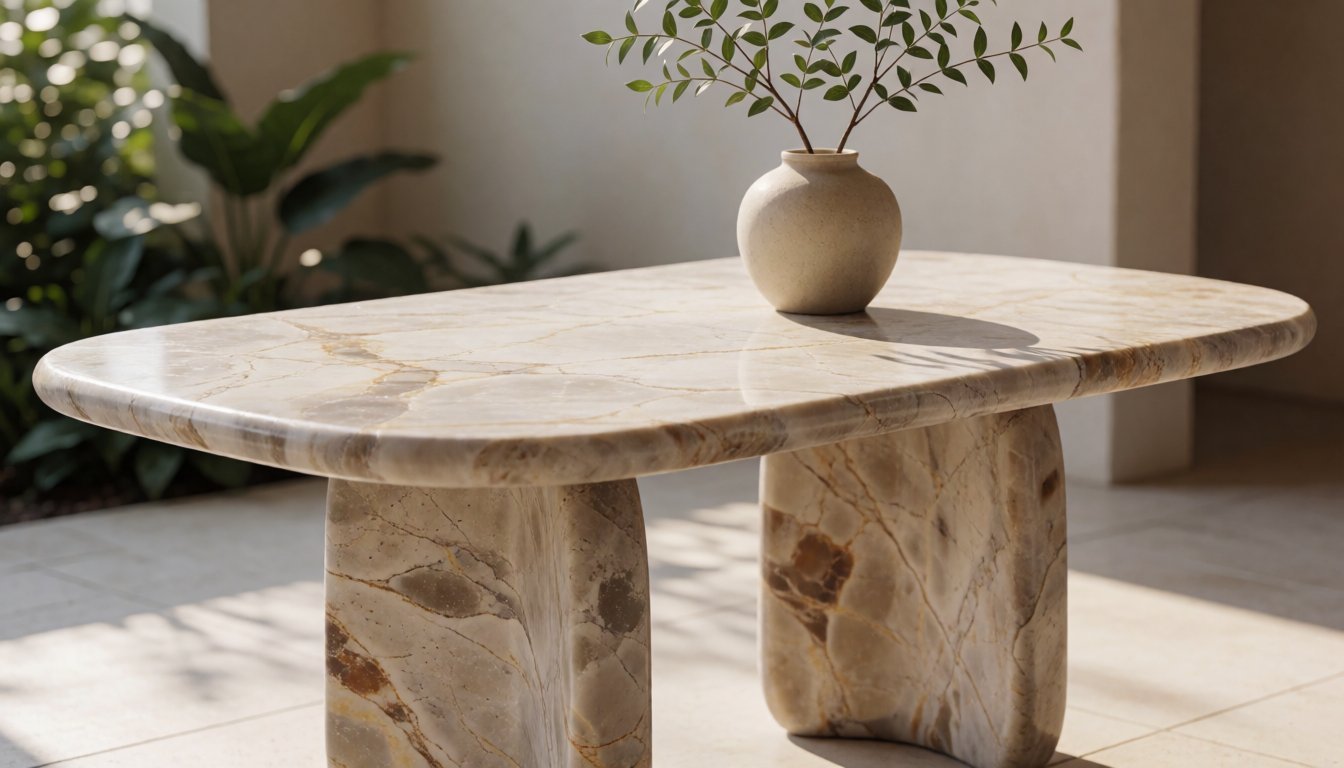
Quartzite presents a slightly different profile. While often mistaken for marble due to its light color, quartzite is metamorphic and as hard as granite. However, some varieties have higher porosity than granite. If you are importing from Chinese suppliers, ask specifically about the “veining” pattern; many white quartzites can be prone to etching if not properly sealed. For patio stone furniture, a polished finish on quartzite can look stunning but may show water spots easily in humid climates. We recommend requesting samples of both materials placed outside for 48 hours to observe how they react to direct rain and sunlight before committing to a bulk order.
The Risks of Outdoor Marble in Direct Sunlight
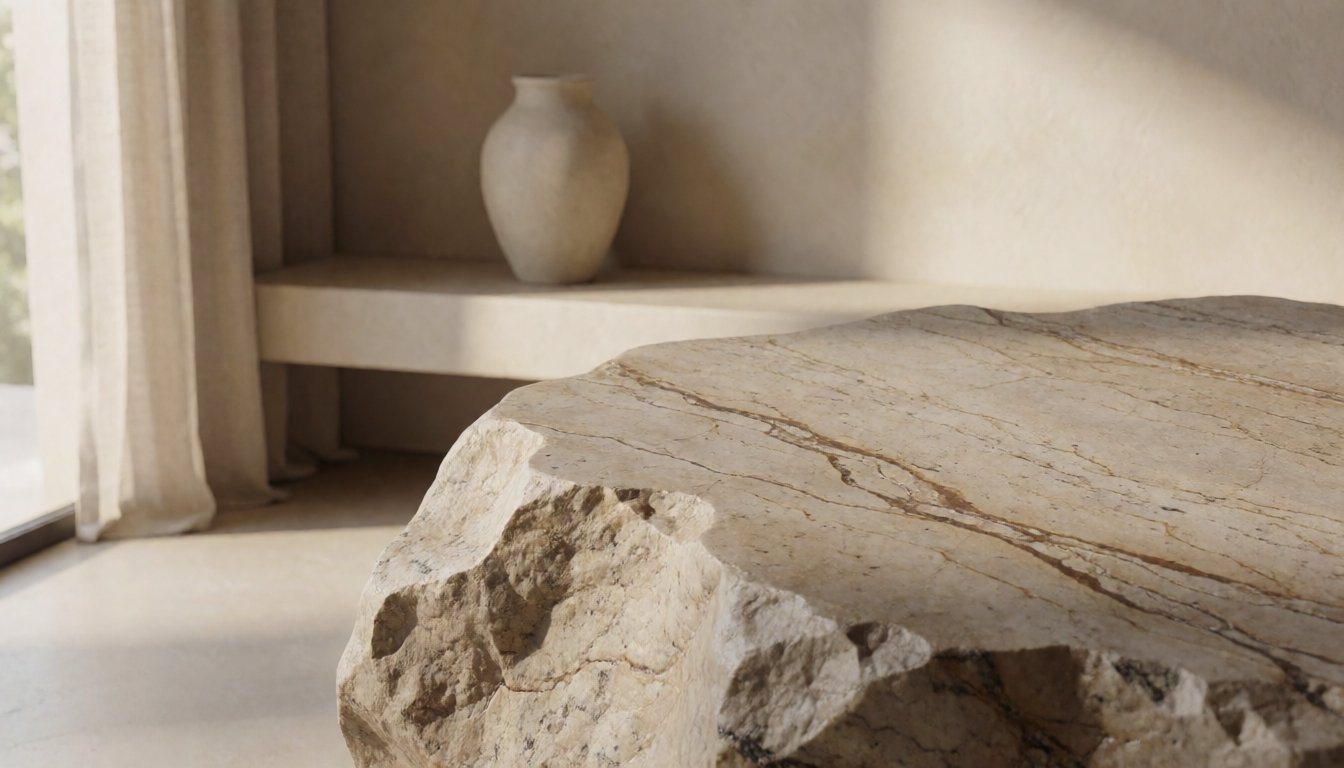
There is a common misconception that all marble can be used outdoors. While outdoor marble looks elegant, it is generally not recommended for countertops or areas receiving intense UV exposure without significant protective measures. Calcite, the primary mineral in marble, reacts with acids (like lemon juice or vinegar) and can fade when exposed to prolonged direct sunlight.
If a client insists on using white marble for an outdoor dining table, you must specify a honed or leathered finish rather than a high-gloss polish. A glossy surface reflects UV rays more intensely, accelerating the fading process. In terms of logistics, marble is heavier than limestone but lighter than some granites. A 120cm x 60cm slab typically weighs between 45kg and 55kg. When calculating shipping costs for a container load, remember that marble’s lower density allows for slightly more volume per ton compared to granite, but the fragility of calcite increases breakage risk during ocean transit. Always request reinforced packaging with corner protectors when importing marble slabs for outdoor applications.
Surface Finishes: Polished vs. Honed vs. Textured
The finish applied to the stone dictates its slip resistance and maintenance requirements. For floor pavers or dining tables in high-traffic outdoor zones, a polished finish is risky. Even with sealers, water can create a slippery film on polished surfaces when wet. Instead, opt for honed finishes which provide a matte look that reduces glare and improves traction.
Textured finishes like “flamed,” “bush-hammered,” or “leathered” are superior for outdoor kitchens where grease and food particles accumulate. A flamed finish involves heating the stone to create a rough, non-slip surface. This texture also masks minor scratches from metal utensils better than polished stone. When discussing finishes with your supplier, ask about the depth of the treatment. A shallow acid etch is insufficient for outdoor use; you need a deep-textured profile that grips footwear even when wet. For outdoor kitchen stone used as a backsplash, a honed finish balances aesthetics with practicality, resisting oil stains better than polished versions while avoiding the stark reflection of flamed surfaces on vertical walls.
Sourcing Considerations and Lead Times for Bulk Orders
When placing a large order for patio stone furniture, lead times and MOQs (Minimum Order Quantities) are critical factors in your cash flow planning. Standard slabs typically have a lead time of 15 to 25 days after deposit confirmation if they are from existing inventory. Custom cuts or specific finish requests can extend this to 40-60 days. Be wary of suppliers who promise “fast shipping” for exotic stones; often, these are back-ordered from quarries in Brazil or India with a long transit time before reaching China.
Pricing varies significantly by slab size and grade. A standard 2cm granite slab might range from $45 to $75 USD per square foot depending on the rarity of the color. Thicker slabs (3cm) used for vanities add roughly 30-50% to the material cost due to increased weight and processing time. For a container load, negotiate based on “random mix” orders rather than exact match-ups to optimize space utilization. Ensure your supplier provides a certificate of origin and detailed specs on water absorption rates before payment.
Finally, clarify the warranty terms regarding outdoor exposure. Many factory warranties cover manufacturing defects but explicitly exclude weathering issues or UV fading. Understand exactly what is covered in case a batch of stone develops micro-cracks after six months of sun exposure. Clear communication on these technical details protects your brand reputation and ensures long-term customer satisfaction for your dropshipping or wholesale clients.