The demand for apartment stone furniture is shifting rapidly away from massive slab displays toward optimized dimensions that fit modern urban living. As a manufacturer in China, we see a surge in orders from US and EU dropshippers targeting buyers with 400 to 600 square foot units. These clients need solutions that look high-end without consuming the floor plan. The key to success lies in offering specific SKUs designed for tight corners, narrow vanities, and entryways. We do not simply cut down standard slabs; we engineer dimensions specifically for small-footprint installations.
Optimizing Dimensions for Tight Kitchens
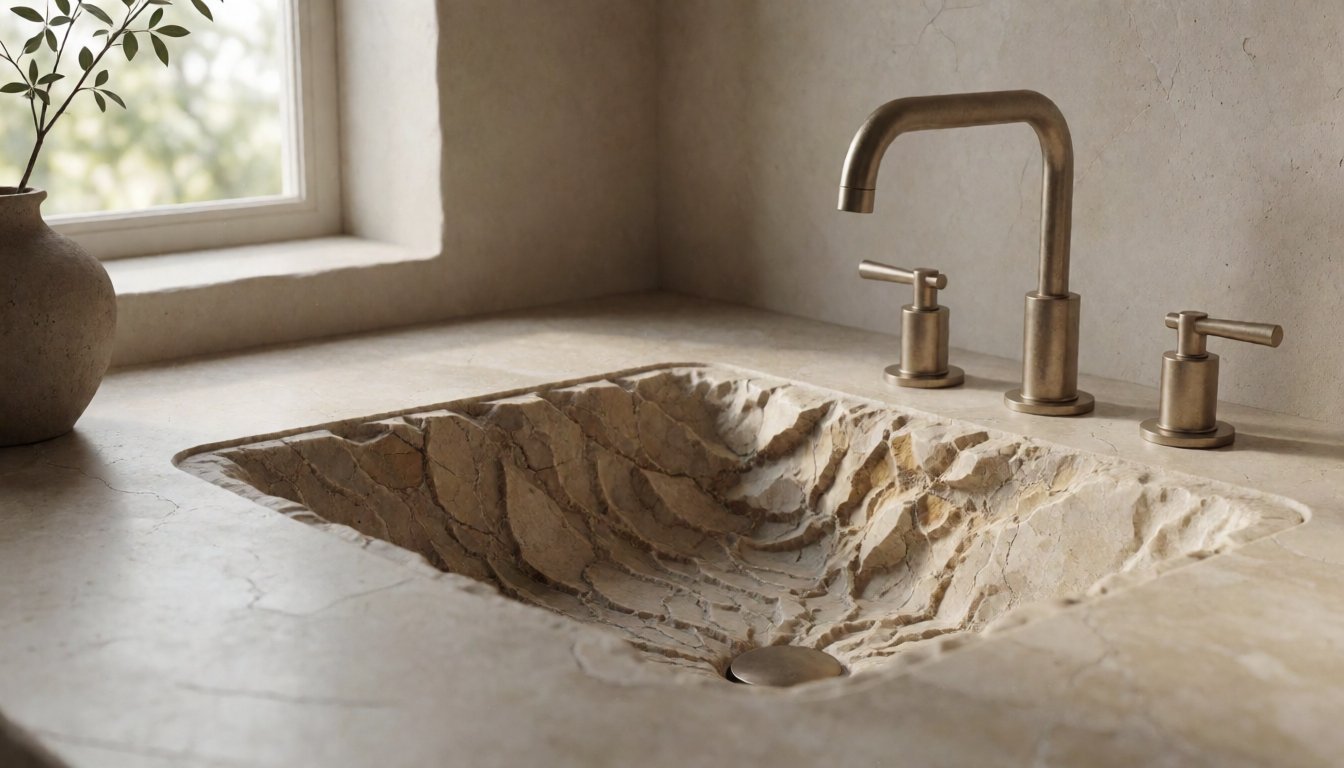
A small stone sink is often the first item an importer considers when a client’s kitchen width restricts the vanity size. Standard farmhouse sinks measure roughly 30 to 36 inches in width, but apartment dwellers frequently require widths between 18 and 24 inches. We can produce these compact units with minimal waste.
When sourcing these items, check the thickness options. A standard 2cm thickness works well for under-mount sinks, weighing roughly 8 to 10 kg per unit depending on the depth. For a dropshipper shipping directly to a consumer, a 24-inch width sink usually weighs less than 15 kg total, making it easier to ship via air freight or consolidated sea cargo without exceeding weight limits per package.

Ask your supplier about the overflow hole placement. In compact models, moving the overflow can affect the faucet height required. We typically install these on standard 80mm centers, but for ultra-narrow vanities, you might need a custom bracket system to save an extra 5 cm of wall space. The stone type matters here too; quartzite or granite often handles thin profiles better than softer marble without feeling flimsy. Lead times for these pre-sized units are typically 10 to 14 days if we have the inventory ready, compared to three weeks for a full custom order.
Narrow Tables That Don’t Sacrifice Style
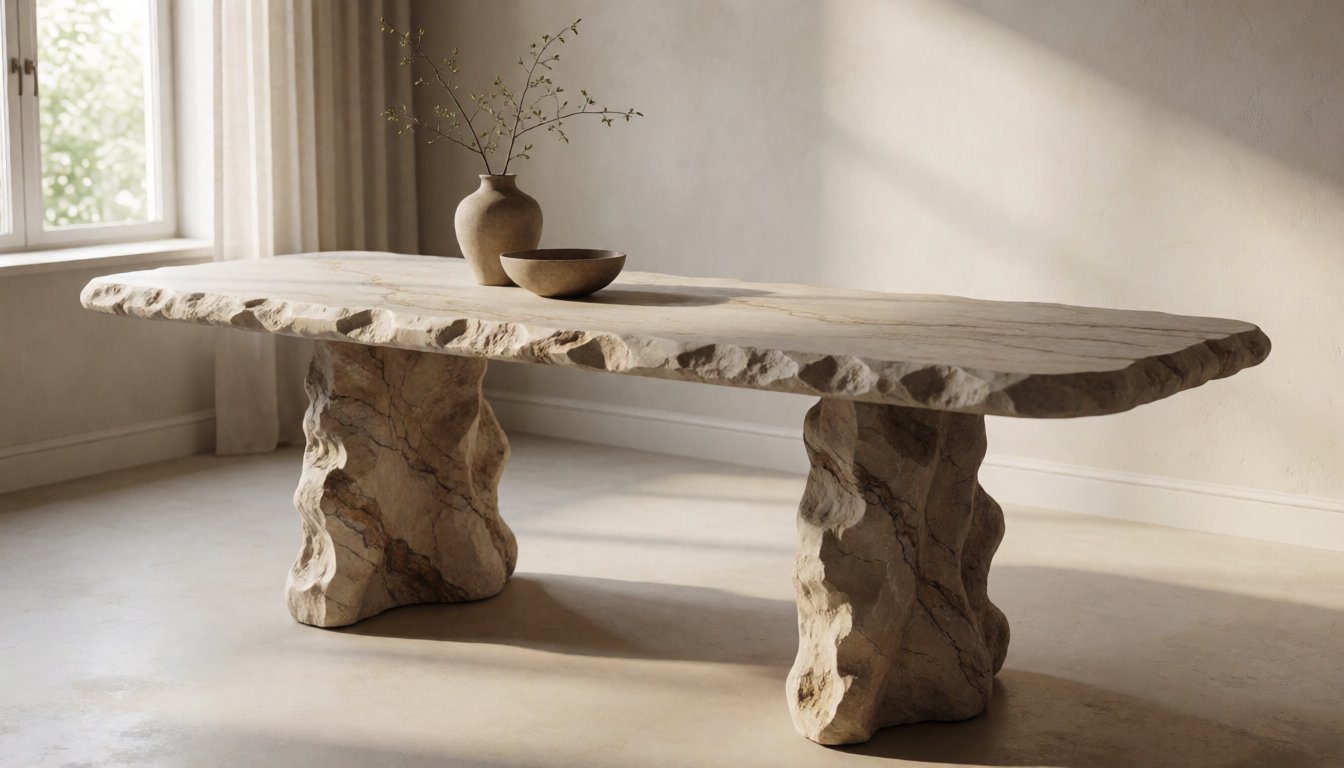
Finding a compact marble table that fits into a studio apartment or a small dining nook requires precise width planning. Standard dining tables are often 75 cm wide or more, which can block pathways in narrow apartments. We manufacture base models starting at 60 cm in width, with options to go as narrow as 45 cm for specific console applications.
A 60 cm x 120 cm table is a versatile standard for small spaces. It allows two people to sit comfortably while leaving roughly 90 cm of clearance on either side for walking. These units typically weigh between 40 and 55 kg, depending on the stone density and whether a pedestal or four-leg base is used. Pedestal bases are lighter and save visual space, which is critical in small rooms.
For dropshippers, the packaging design is crucial for narrow items. We can pack a 60 cm table into a box that is just under 1 meter long, optimizing truck container space. When calculating landed costs, remember that narrower tables have a lower FOB price but may incur higher per-unit freight costs relative to their value if not consolidated well. Ask the factory about their minimum order quantity for specific widths. Often, we can fulfill mixed-width orders within a single container load, allowing you to stock multiple SKUs without hitting a high MOQ barrier.
Wall-Mounted and Corner Solutions
Not every small kitchen allows for under-counter installation. For these scenarios, wall-mounted stone sinks or floating vanities are the solution. These designs reduce cabinet depth requirements, freeing up floor space for movement. We can fabricate wall-mounted units with back-splash integration to save on separate tile costs.
Corner apartment stone furniture presents another unique opportunity. L-shaped sink configurations utilize awkward corners that would otherwise be wasted. A corner unit typically measures 60 cm along each leg, creating a functional workspace without extending into the main room. These pieces usually weigh around 35 kg due to the thinner profile required for wall mounting.
When discussing these designs with a supplier, clarify the drilling points. Wall-mounted units require precise reinforcement of the stone back or a heavy-duty support beam behind the unit. Ask if the factory can provide pre-drilled templates or if you need to source your own mounting hardware. Standard lead times for wall-mounted configurations are roughly 15 days, as they often require additional machining steps compared to standard under-mount sinks.
Sourcing Strategy for Importers
As an importer, your primary concern is balancing the aesthetic appeal of natural stone with the logistical reality of small-item shipping. Do not assume that smaller equals significantly cheaper in terms of raw material cost; the price difference is marginal. The real savings come from reduced packaging volume and optimized container loading.
Verify the finish quality on compact pieces. Smaller sinks and tables show surface imperfections more readily because there is less stone to hide them. Request high-resolution photos of the specific slabs allocated to your order before production begins. A standard polished finish costs roughly $0.50 to $1.00 per square foot more than a honed or leathered finish, but the latter often hides natural veining better in small formats.
For white-label brands targeting the US market, ensure your supplier can handle mixed container loads efficiently. If you need 50 units of a 24-inch sink and 50 units of a 60 cm table, confirm that the factory can group these for shipping without creating “dead space” in the container. Proper dunnage is essential to prevent chipping on thin, compact edges during transit.
Finally, consider the after-sales aspect. Small items are more prone to shipping damage. Ensure your contract includes protection for breakage rates up to 2%. If a unit arrives damaged, the repair cost can be prohibitive relative to the item’s value. Establish clear communication channels with the factory quality control team to catch issues early, ideally during the packing phase rather than at the dock in the US or EU.