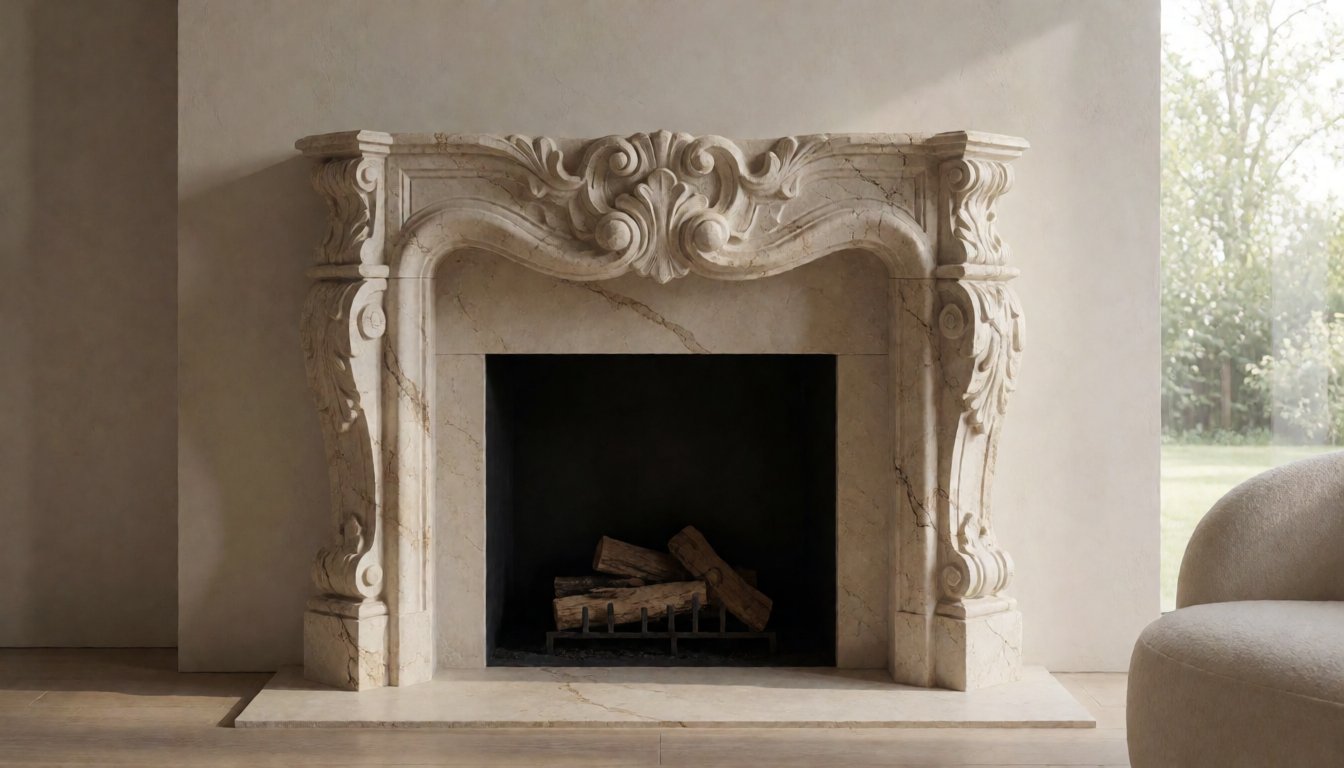
A single sculptural stone item can transform an ordinary space into a destination. For interior designers in the US and EU, this concept is no longer niche; it is a standard strategy for defining high-end residential and commercial projects. When you source these pieces as a dropshipper or white-label brand, understanding the mechanics behind the visual impact is crucial. This article breaks down what makes a statement stone piece effective, the realistic logistics of manufacturing, and how to select items that command attention without compromising structural integrity.
The Visual Weight vs. Physical Mass
The primary challenge in selling stone furniture is managing customer expectations regarding size and weight. A visual “monolith” often does not translate to physical immovability in the way buyers expect.
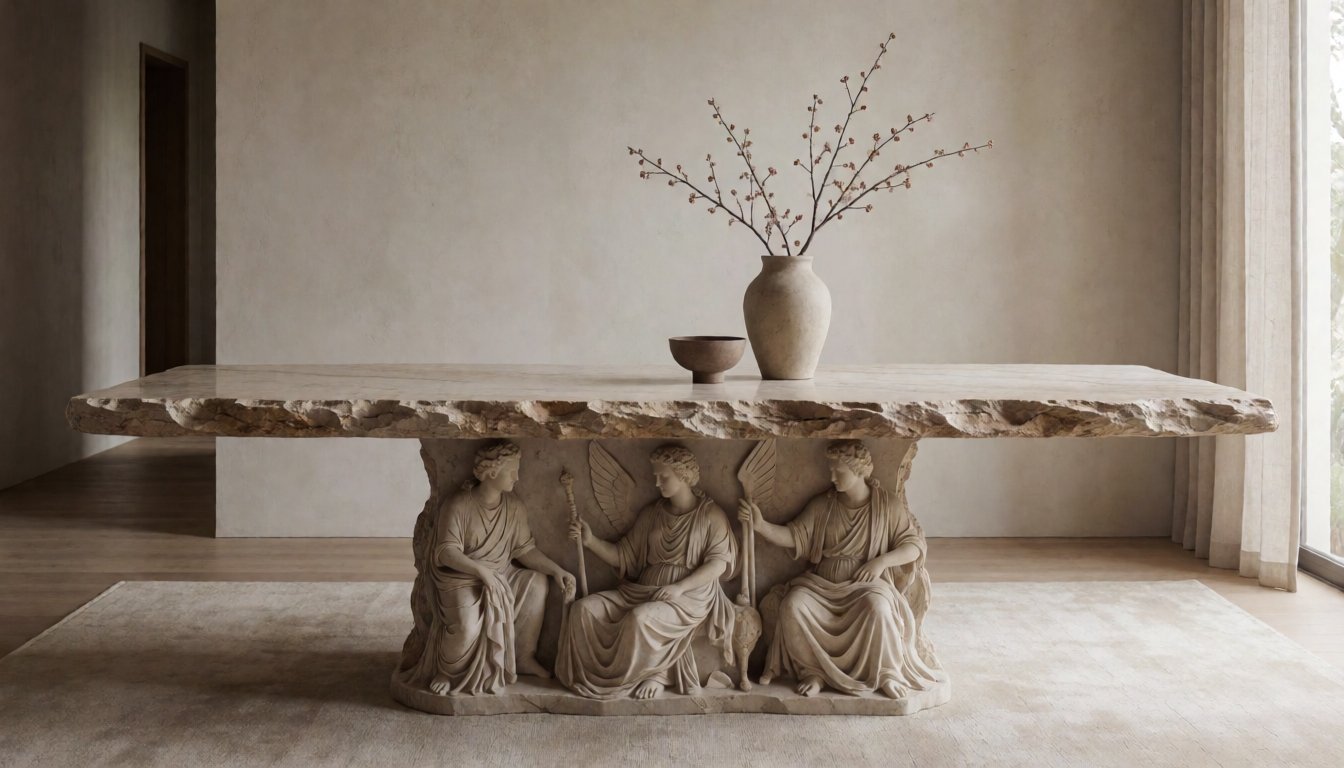
Most dramatic dining tables or vanities rely on a mix of material thickness and base design. For example, a slab-backed table might appear massive but weigh significantly less than a solid concrete counterpart. Conversely, a true sculptural sculptural stone decor item, such as a fireplace surround or an abstract side table, often uses carved relief rather than full block density to create depth.
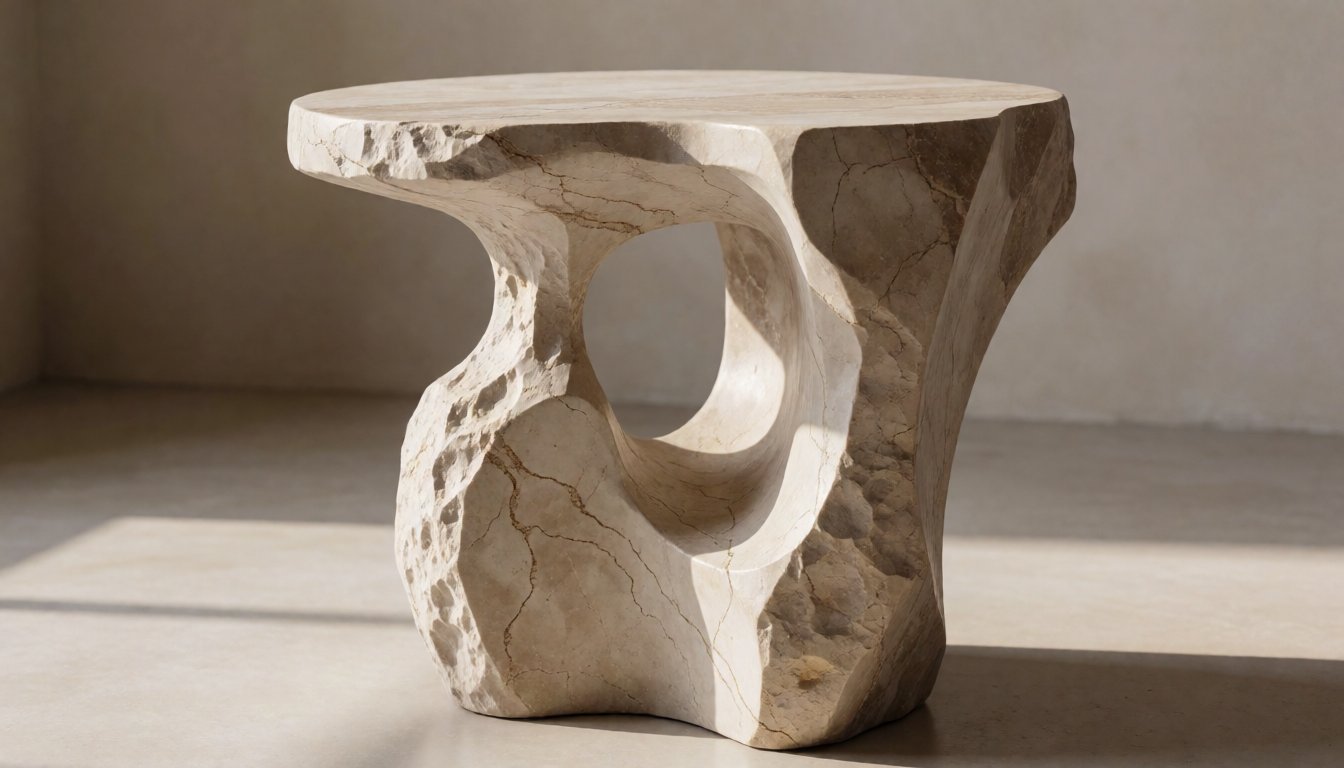
When calculating shipping costs for your dropshipping model, remember that visual size rarely equals cubic meterage. A piece that looks like a 3-meter high wall might only be 12 cm thick in the back. However, the weight is still substantial. Typical stone densities range from 2.6 to 2.8 kg per liter. A large sculptural vanity with a 150cm wide basin and 80cm depth could weigh between 450kg and 600kg depending on the thickness of the slab and the complexity of the carvings.
As an importer, you must advise clients that these items require professional installation. A standard delivery truck cannot lift a single piece weighing over 300kg into a second-story apartment without specialized equipment. Transparency here prevents returns and protects your brand reputation.
Material Choices That Define the Sculptural Look
The visual impact of any marble statement furniture depends heavily on the stone variety and finish. In China, suppliers offer vast ranges from Carrara to Travertine to exotic varieties like Nankin or Calacatta Gold. Each has specific properties that affect both aesthetics and cost.
For a high-end sculptural look, thin slabs (2cm) are often preferred for floating shelves or delicate side tables because they reduce weight while maintaining elegance. However, structural elements like table tops or fireplace surrounds typically require 3cm to 4cm thickness. Attempting to carve complex relief patterns into 2cm stone increases the risk of cracking and requires higher skilled labor, raising production costs.
Natural veining is your best friend for creating a unique selling point. Two pieces from the same block will never look identical. When sourcing for white-label brands, ask the factory if they can reserve specific blocks with rare veining patterns. This allows you to create a “one-of-a-kind” line that justifies premium pricing.
If weight is a concern for your dropshipping clients who live in high-rise buildings without elevators, consider offering granite or quartzite alternatives. These stones are denser but can sometimes be engineered with lighter aggregates if specific aesthetic goals allow. However, true marble retains the soft glow and translucency that defines luxury stone decor.
Sourcing Realistic Specifications for Dropshipping and Wholesale
Understanding lead times and Minimum Order Quantities (MOQ) is essential for planning your inventory or dropship workflows. Stone is not a made-to-order commodity like printed t-shirts; it involves quarrying, cutting, polishing, and often intricate carving.
For standard sculptural items like side tables or small decor pieces, the typical lead time ranges from 20 to 30 days after deposit. This accounts for the time needed to cut the slab from the block and polish the edges. Complex carvings that require hand-finishing can extend this timeline by another 15 to 20 days.
Regarding MOQs, factories often charge a setup fee for custom molds or carving templates. For a single unique design, the MOQ might be as low as 1 piece if you pay a premium for the mold creation and tooling. However, standard sculptural shapes with existing molds usually have an MOQ of 5 to 10 pieces per color/size combination.
Shipping dimensions are another critical factor. A statement fireplace surround that fits in a room might ship in two or three packaged sections to avoid oversized freight charges. Always request packaging dimensions and gross weight before placing an order. If the net weight is 200kg but the gross packed weight is 450kg due to heavy plywood crates, your shipping costs will reflect the total mass.
Quality Control and Structural Integrity
The difference between a successful B2B partnership and a failed one often comes down to quality control. When you order a statement stone piece, you are ordering an item that cannot be easily replaced without significant cost and time.
Ask the supplier for photos of raw blocks before cutting. This confirms that the veining patterns you love exist in the material before they are wasted on defective sections. Furthermore, inspect the thickness consistency. A table top that is 3cm thick at the edge but only 2cm in the middle due to uneven polishing can lead to cracking under load.
Edge profiles also matter for safety and aesthetics. A sharp, unpolished edge on a heavy sculptural item poses a risk of injury during handling. Ensure the factory provides polished edges (E or P profile) as standard unless you specify a special finish like leathered or brushed.
Finally, verify the sealing process. Stone is porous. If a fireplace surround or vanity basin is not sealed properly, water infiltration can cause staining or internal cracking over time. A good supplier will apply 2-3 coats of high-quality impregnator sealer before packaging. This step adds minimal cost but significantly extends the product’s lifespan, reducing your customer service burden.
By focusing on these practical details, you can build a business around stone furniture that delivers real value. The market for unique, sculptural pieces is growing, but it demands precision in sourcing and clear communication with buyers about what they are purchasing.