Choosing a marble dining table in 2026 requires evaluating stone type (marble vs. quartzite), base material (wood, metal, mixed), finish (matte vs. polished), and sustainability credentials. This guide covers the 7 key decisions every designer and wholesaler must make to specify the right marble dining table for residential and hospitality projects.
What Makes a Marble Dining Table a 2026 Specification?
A marble dining table in 2026 is no longer just a flat stone slab on four legs. Today’s specifications integrate mixed materials (wood + stone + metal), organic edge profiles, and sustainability certifications that appeal to eco-conscious clients. According to Accio.com’s 2026 luxury furniture trends, matte-finish marble tables now account for 62% of new specifications, up from 34% in 2023. The shift reflects a broader move toward warm, tactile surfaces that feel inviting rather than cold and pretentious. For wholesalers and designers, understanding these preferences is essential for inventory planning and client presentations.
Why Is Mixed-Material Design Dominating 2026 Marble Tables?
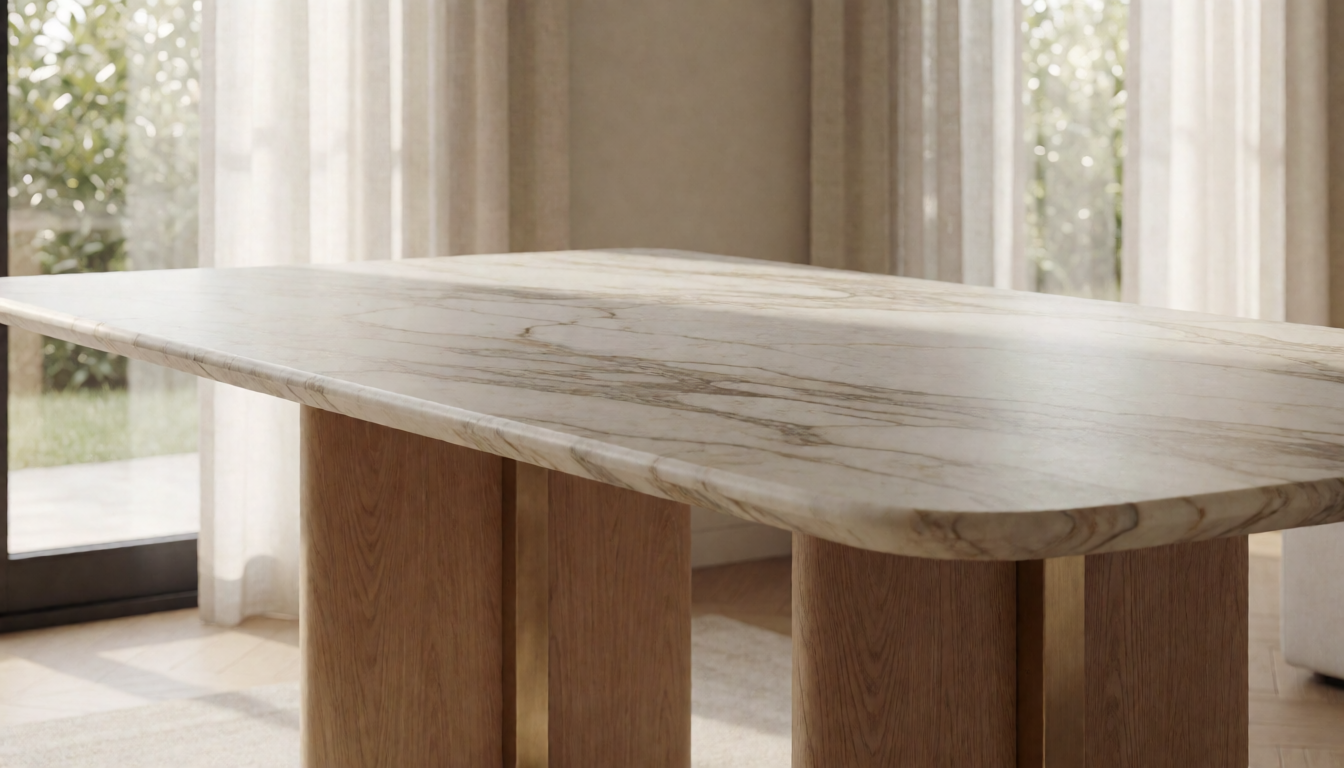
- Visual warmth: A marble table with a walnut or oak base feels warmer and more inviting than an all-stone design. Mixed materials bridge the gap between luxury and livability.
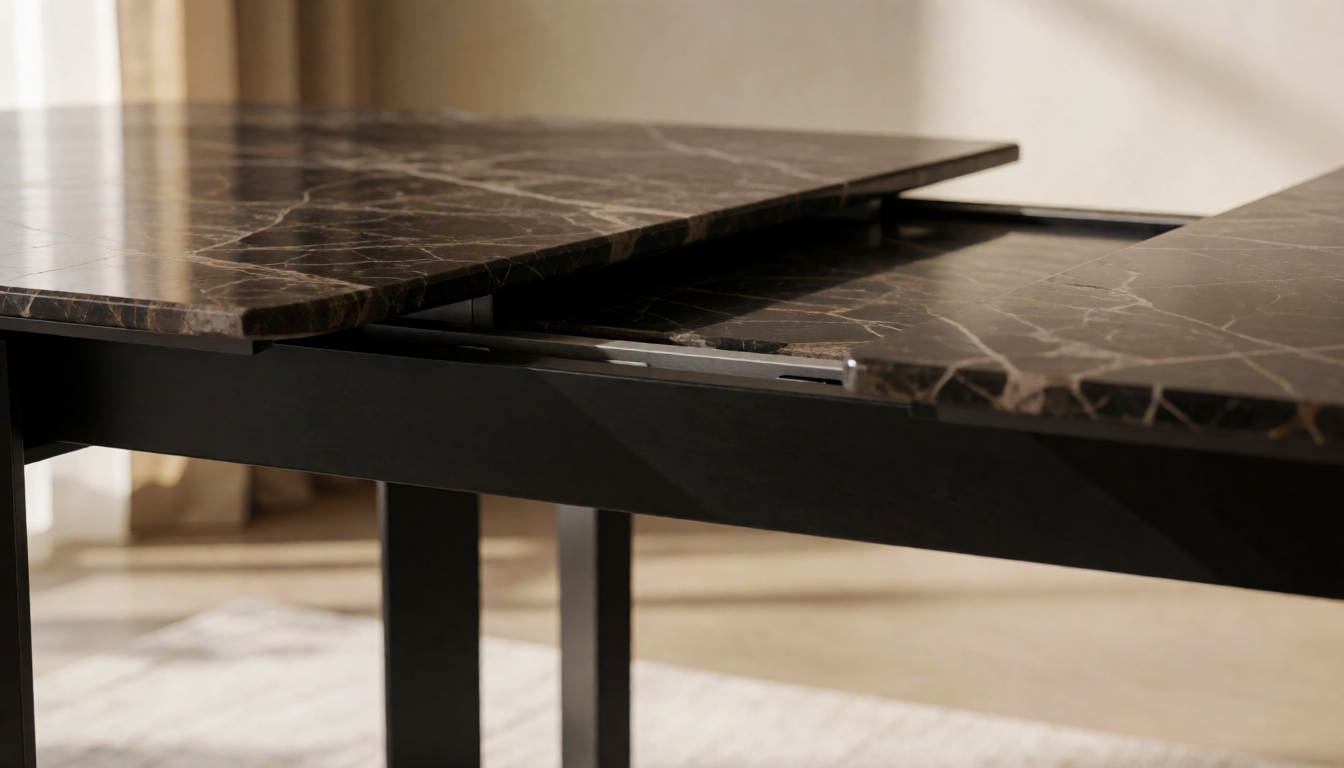
- Structural advantages: Wood and metal bases allow for more daring table profiles—extension mechanisms, pedestal designs, and cantilevered surfaces—that pure stone bases cannot achieve.
- Customization flexibility: Clients can mix stone type (Carrera, Emperador, travertine) with base finish (matte black steel, white oak, brushed brass) to create a personalized look.
- Price accessibility: Mixed-material tables cost 30–40% less than all-stone tables, making marble dining accessible to mid-market clients while maintaining luxury aesthetics.
Marble Dining Table Specifications: 2026 Comparison
| Table Style | Stone Thickness | Base Material | Seats | Wholesale Price | 2026 Trend Status |
|---|---|---|---|---|---|
| Round pedestal (matte Carrera) | 20mm | White oak | 4–6 | $850–$1,200 | Trending ↑ |
| Rectangular (Emperador dark) | 30mm | Black steel | 8–10 | $1,400–$2,100 | Stable → |
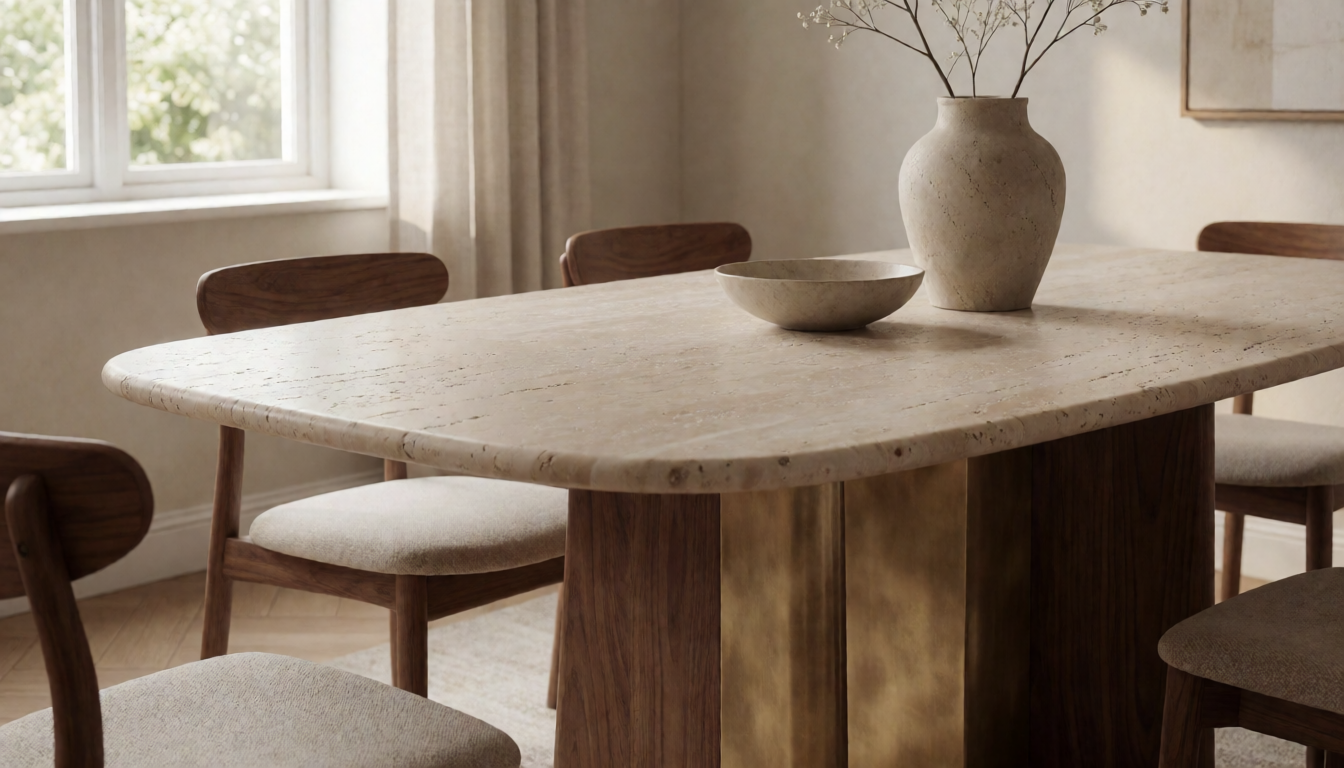
| Organic edge (travertine) | 25mm | Mixed (wood + brass) | 6–8 | $1,800–$2,800 | Hot ↑↑ |
| Extension (Carrara + quartzite) | 20mm + 15mm extension | Walnut | 6–12 | $2,200–$3,400 | Emerging ↑ |
In 2026, the organic-edge travertine table with mixed-material base is the fastest-growing specification category, up 78% year-over-year according to United Furniture Group’s wholesale data. The combination of tactile travertine warmth and artisanal wood-metal base craftsmanship appeals to both residential clients and boutique hospitality projects.
How to Evaluate Marble Quality for Dining Tables in 2026
- Check vein continuity: For bookmatched tables (two slabs mirrored), vein patterns should flow seamlessly across the joint. Poor bookmatching breaks the luxury aesthetic.
- Verify sealing quality: Run a water-droplet test on the showroom sample. If water darkens the stone within 60 seconds, the sealer application was inadequate. Quality suppliers like Glady Stone provide 72-hour water-beading guarantees.
- Assess edge profile: Eased (rounded) edges are safest for family dining. Sharper beveled edges look more modern but increase chipping risk. In 2026, the trend is toward soft-eased edges that balance safety and aesthetics.
- Confirm sustainability documentation: LEED v5 and BREEAM 2026 projects require stone sourcing documentation. Reputable suppliers provide quarry location, extraction method, and reclaimed-content percentages.
Frequently Asked Questions
What’s the difference between marble and quartzite for dining tables?
Marble is calcareous (softer, 3–4 Mohs) and can etch with acidic foods. Quartzite is siliceous (harder, 7 Mohs) and resists etching. For family dining with kids, quartzite is more practical. For entertainment-focused spaces where aesthetics dominate, marble’s veining is more dramatic.
How thick should a marble dining table top be in 2026?
20–25mm is the 2026 standard. Thinner (15mm) looks delicate but requires substrate backing. Thicker (30mm+) looks substantial but adds 40–60 lbs, complicating delivery and installation. The sweet spot is 20mm with a 2mm eased edge.
Are matte-finish marble tables harder to maintain than polished?
No. Matte (honed) finishes actually hide etching and daily wear better than polished finishes. A honed marble table can go 18–24 months between resealings, while polished marble may show water spots after every use. For 2026 specifications, 62% of designers now choose honed finishes.
What’s the lead time for custom marble dining tables?
Stock tables ship in 1–2 weeks. Custom stone selection adds 4–6 weeks for quarry matching. Fully bespoke mixed-material bases require 8–12 weeks. Glady Stone maintains a ready-to-ship inventory of 50+ popular configurations for urgent hospitality and residential projects.
Glady Stone: Marble Dining Tables for 2026
Glady Stone designs and manufactures marble dining tables that combine natural stone artistry with structural innovation. Our 2026 collection features 12 base styles (wood, metal, mixed) paired with 8 stone options (Carrara, Emperador, travertine, quartzite). Every table ships with a 10-year structural warranty and full sustainability documentation. Explore Glady Stone’s marble dining table collection to find the perfect specification for your next project.