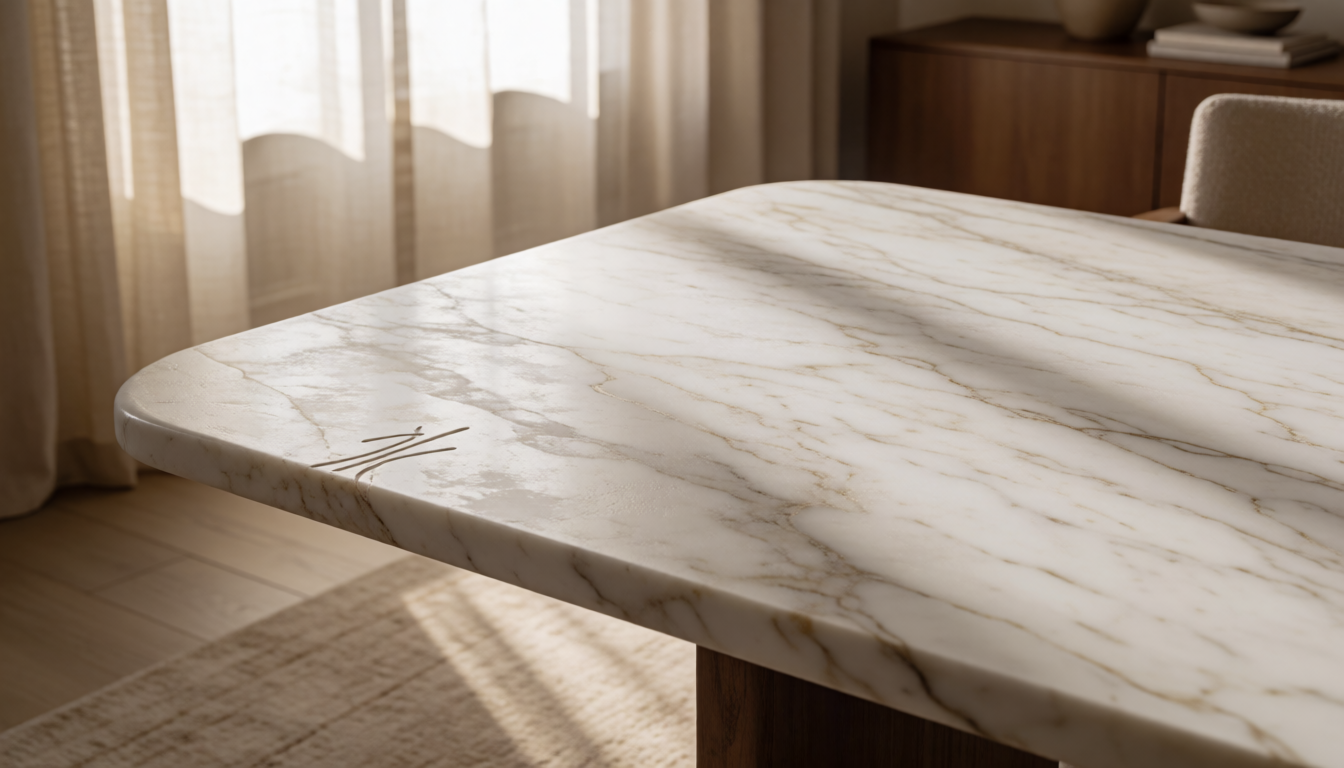
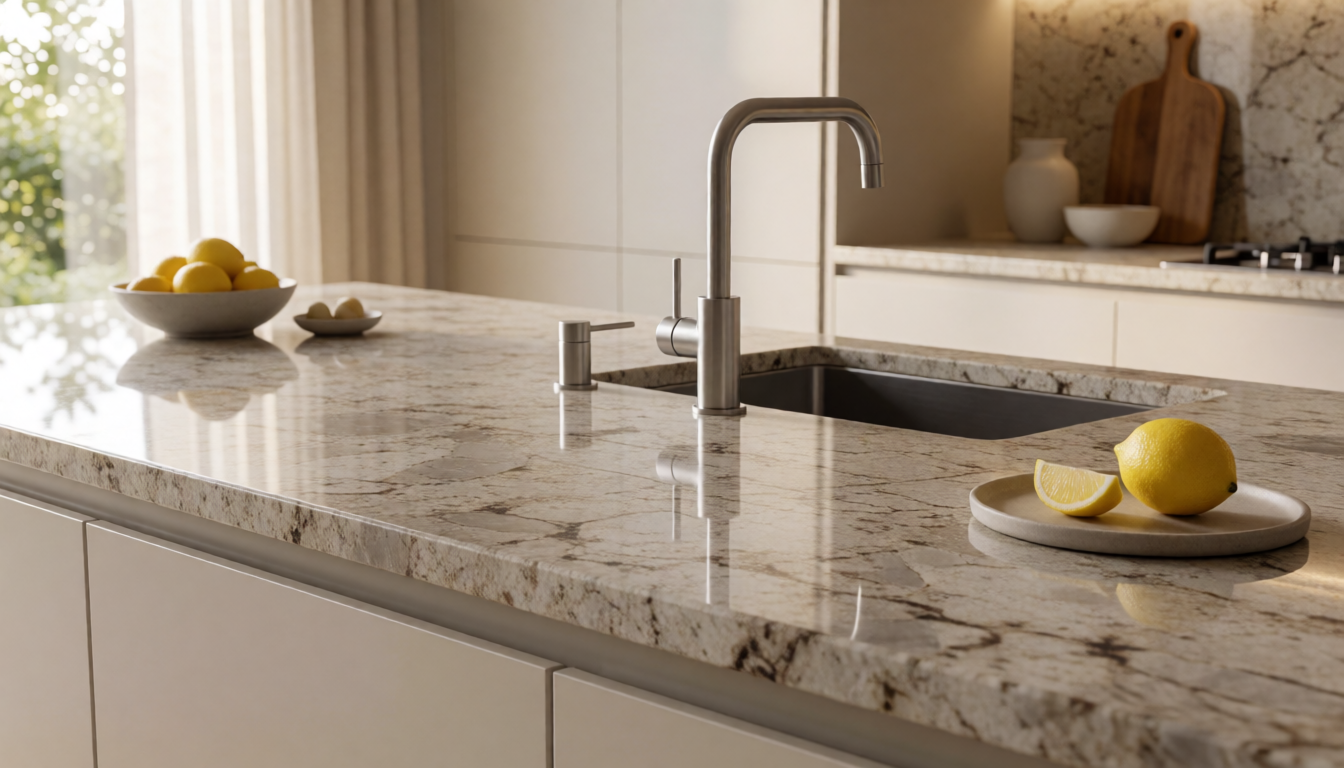
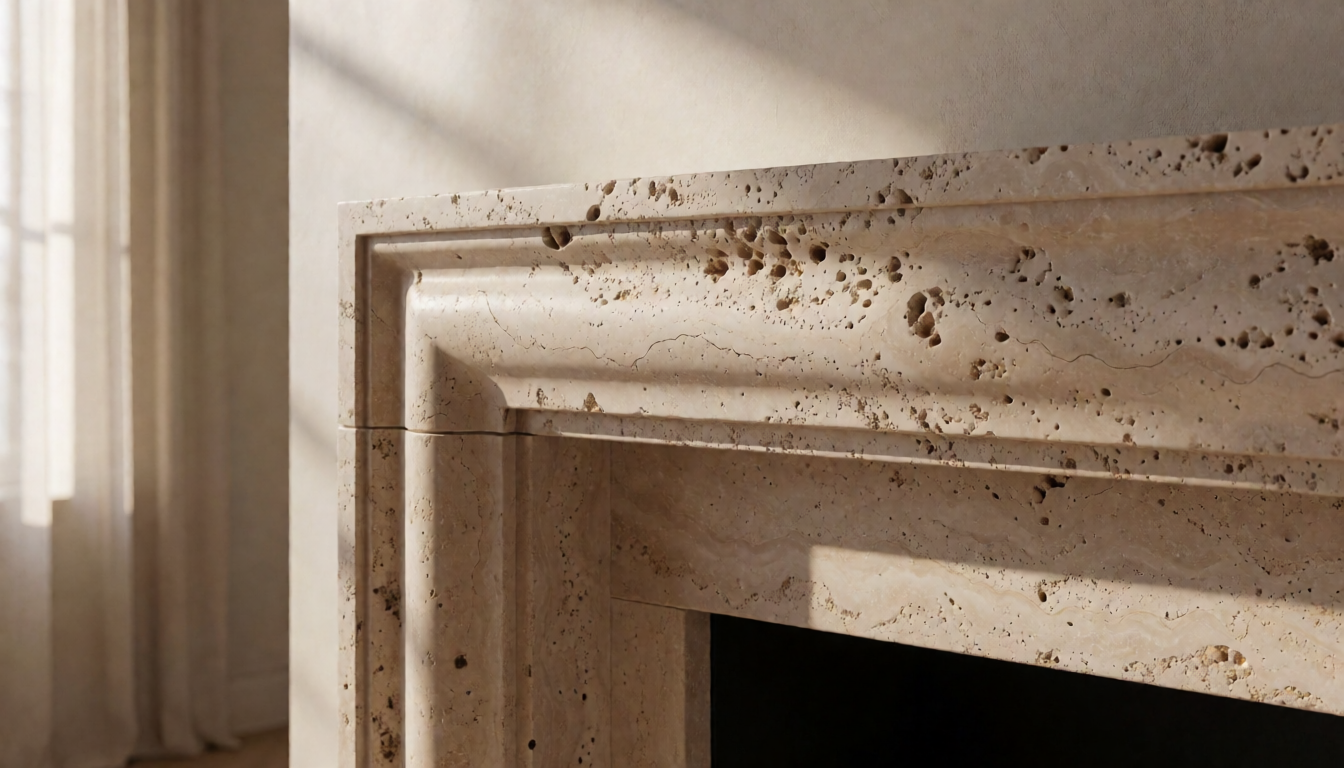
Calcareous stones (marble, limestone, travertine) contain calcium carbonate and require pH-neutral cleaners to prevent etching. Siliceous stones (granite, quartzite, slate) are silica-based and resist acidic damage. The 2026 maintenance guide explains how to identify your stone type and apply the correct cleaning, sealing, and repair protocols for each.
What Are Calcareous and Siliceous Stones?
Natural stone divides into two fundamental categories based on chemical composition. Calcareous stones contain calcium carbonate (CaCO₃) as their primary mineral. This group includes marble, limestone, travertine, and onyx. These stones are sensitive to acids—even mild acids like lemon juice or vinegar—which cause etching (dull spots where acid dissolves the stone surface). Siliceous stones contain silica (SiO₂) as their primary mineral. This group includes granite, quartzite, slate, and sandstone. These stones resist acidic damage and are generally more durable in kitchen and outdoor applications. According to StoneTrades.com’s 2026 maintenance guide, 73% of stone damage cases result from using the wrong cleaning products for the stone type—making correct identification the single most important maintenance skill.
Why Does Stone Type Matter for 2026 Maintenance Protocols?
- Cleaning product compatibility: Calcareous stones require pH-neutral cleaners (pH 7–9). Alkaline or acidic cleaners cause permanent etching. Siliceous stones tolerate a wider pH range (5–10) but still perform best with pH-neutral formulas.
- Sealing frequency: Calcareous stones are more porous and require sealing every 12–18 months. Siliceous stones are denser and need sealing only every 24–36 months in most applications.
- Etch repair methods: Calcareous stone etches can be polished out with progressive-grit diamond pads. Siliceous stone doesn’t etch, but it can develop water spots that require different removal techniques.
- Outdoor durability: Siliceous stones (especially granite and quartzite) withstand freeze-thaw cycles and UV exposure. Calcareous stones should be used outdoors only in sheltered applications or in warm climates.
Calcareous vs. Siliceous: Maintenance Comparison Table
| Maintenance Attribute | Calcareous (Marble, Limestone, Travertine) | Siliceous (Granite, Quartzite, Slate) |
|---|---|---|
| pH Range for Cleaners | 7–9 (strictly pH-neutral) | 5–10 (more flexible) |
| Sealing Frequency | Every 12–18 months | Every 24–36 months |
| Etch Resistance | Low (etches with acidic foods) | High (resists acidic damage) |
| Water Spot Susceptibility | Moderate | High (especially on polished surfaces) |
| Outdoor Freeze-Thaw Rating | Poor to Moderate | Excellent |
| Daily Cleaning Method | pH-neutral soap + microfiber | Mild dish soap + soft brush |
How to Identify Your Stone Type in 2026
- The acid test (professionals only): Place a single drop of 10% hydrochloric acid on an inconspicuous area. Calcareous stone will fizz (calcium carbonate reacting with acid). Siliceous stone will show no reaction. Note: Never perform this test on a visible surface—it will leave a permanent etch mark on calcareous stone.
- The water-droplet test: Place a water droplet on the stone and wait 10 minutes. If the stone darkens, it’s porous (likely calcareous and unsealed). If no darkening occurs, it’s denser (likely siliceous or well-sealed).
- Visual identification: Marble shows distinct veining. Granite shows speckled crystalline patterns. Quartzite resembles marble but is much harder (doesn’t scratch with a steel knife). When in doubt, consult the supplier’s specification sheet.
- Request stone testing from supplier: Reputable suppliers like Glady Stone provide stone type certification with every shipment, eliminating guesswork for facility managers and installers.
Frequently Asked Questions
Can I use the same cleaner for marble and granite?
Yes, if it’s pH-neutral (pH 7–9). The safest approach is to use one pH-neutral cleaner for all stone surfaces. Avoid “all-purpose” cleaners that may contain acids or alkalis. In 2026, the Natural Stone Institute recommends separate cleaners for calcareous vs. siliceous stones, but a single pH-neutral formula works adequately for both.
How do I repair an etch mark on marble?
Light etches can be polished out with a marble polishing powder (calcium carbonate-based) and a soft cloth. Deeper etches require wet-sanding with progressive-grit diamond pads (400 → 800 → 1500 → 3000 grit) followed by repolishing. For valuable installations, hire a professional stone restorer. DIY etch repair kits cost $35–$60 and work well for small areas under 2 inches.
What’s the 2026 recommendation for sealing products?
Fluoropolymer-based sealers (like Tenax Proseal) now last 3× longer than traditional solvent-based sealers. They penetrate deeper, provide better stain resistance, and don’t leave a surface film. For calcareous stones in food-prep areas, use a food-safe penetrating sealer that meets NSF/ANSI 51 standards.
How can I tell if my stone needs resealing?
Perform the water-beading test: sprinkle 5–6 water droplets on the stone. If water beads up after 10 minutes, the sealer is still active. If water darkens the stone or is absorbed within 5 minutes, reseal immediately. In 2026, “smart sealers” with color-change indicators are entering the market—they change color when resealing is needed.
Glady Stone: Stone Maintenance Products for 2026
Glady Stone provides pH-neutral stone cleaners, fluoropolymer sealers, and etch-repair kits specifically formulated for calcareous and siliceous stones. Our 2026 maintenance bundle includes a stone identification guide, pH test strips, and a 24-month maintenance schedule template. Shop Glady Stone’s stone maintenance collection and protect your natural stone investment with professional-grade care products.