
Clear communication between your forwarder and our factory at Gladystone prevents delays before stone even leaves China. A typical slab shipment weighs roughly 10 to 25 kg per piece, depending on thickness (usually 2cm or 3cm) and dimensions like a standard vanity top measuring 90×48 cm. If you are importing granite vanities or bathtubs from our facility in Foshan, understanding the required stone customs documents is non-negotiable. Missing one file can halt your cargo at the destination port for weeks while officials request replacements. This guide explains exactly what paperwork we provide and how to ensure smooth clearance when bringing natural stone into the US or EU markets.
The Core Commercial Package
When you order slabs, finished sinks, or fireplaces from Gladystone, we generate a specific set of files tailored to your country’s customs requirements. Most shipments include an Original Bill of Lading (BL), which acts as proof of ownership and title for the goods once they arrive at your port. This document is critical because it allows you to claim the cargo immediately upon arrival in New York or Rotterdam without waiting for a delayed original copy from us.

We also provide a detailed Commercial Invoice that lists every item with its exact Harmonized System (HS) code, declared value, and country of origin (“China”). For natural stone products like our marble dining tables or quartz composite vanities, the HS codes typically fall within range 6802-94. Your forwarder needs these marble import documents to calculate duties accurately before shipping begins. If you are ordering small quantities for a Shopify dropshipping business where each order varies slightly in size, we can issue separate invoices per SKU or consolidate them based on your preferred logistics model.
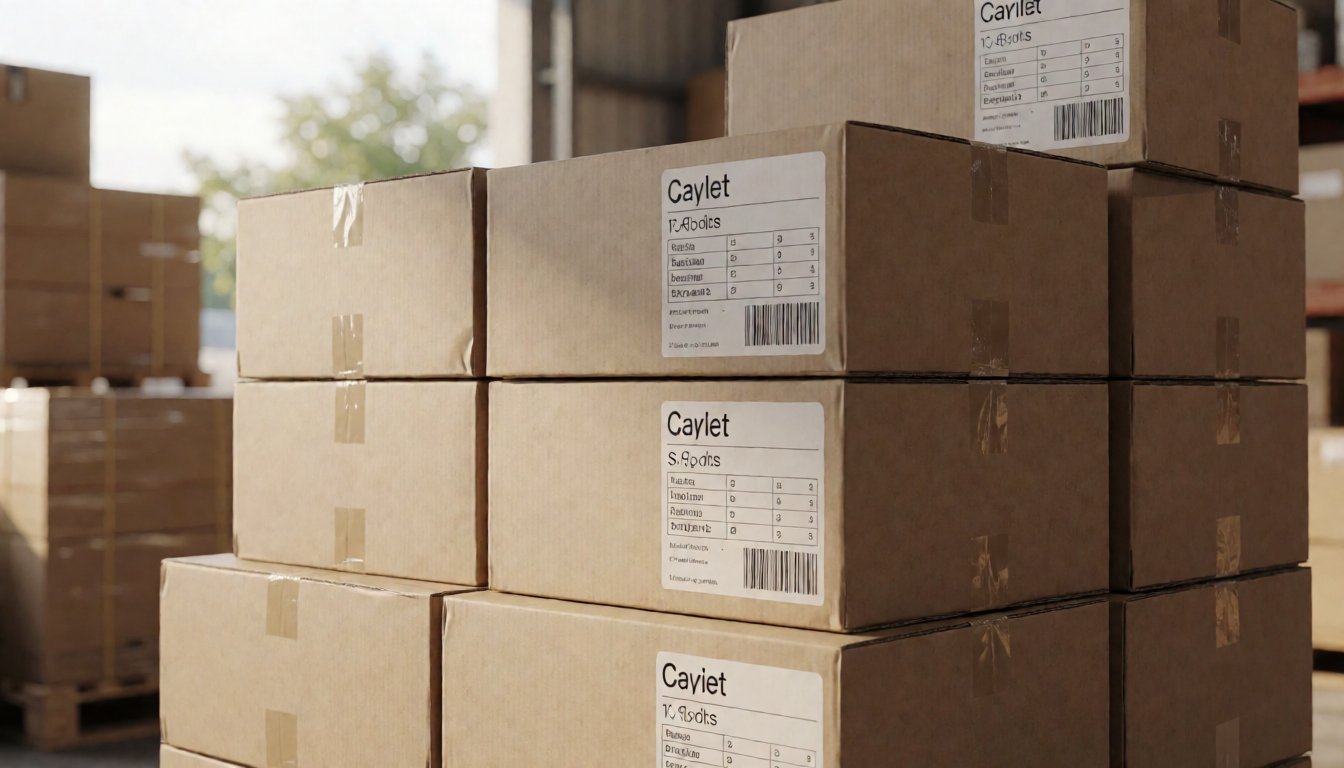
A Packing List accompanies every container load and details the carton number, quantity of pieces inside, gross weight (in kg), and net volume (CBM). Since stone is heavy and fragile, accurate weighing prevents discrepancies that could lead to fines at customs borders. For example, a standard side table from our catalog might weigh 12 kg per unit if made from thick granite, while a thin marble slab for a shower tray weighs significantly less. Our packing lists reflect these precise weights so your logistics partner can plan the correct lift capacity and palletization strategy immediately upon loading at our factory gate in China.
Certificates of Origin and Material Verification
Beyond standard commercial files, some European countries require a Certificate of Origin to verify that goods are manufactured locally rather than being re-exported from another nation with tax advantages attached elsewhere. Gladystone provides this certification for all stone products ranging from bathroom vanities to outdoor fireplaces. This document confirms the “Made in China” status and ensures your customers receive authentic materials without confusion regarding trade agreements or tariffs.
Material verification is also part of our standard export process, especially when selling engineered stones like quartz composites alongside natural marble and granite. We include mill certificates that detail the stone type, thickness tolerance (usually +/- 0.5mm), and water absorption rates if applicable for specific sink applications. These technical specs are vital for buyers who need to prove product compliance in regulated markets where health and safety standards apply to kitchen surfaces or bathtub liners. Without these stone shipping paperwork components, customs agents might hold your cargo while requesting third-party lab tests that cost thousands of dollars unnecessarily.
If you represent a white-label brand importing high-volume orders from our facility for resale under your own label in the US market, we can add specific branding notes to our commercial invoices upon request. However, this must be agreed upon before production starts because changing text on official trade documents after printing creates administrative bottlenecks. Always confirm how you want product descriptions written (e.g., “Granite Vanity Top” versus generic terms like “Stone Sink”) so your forwarder matches the language to local regulatory expectations without triggering automated red flags in customs systems.
Practical Tips for Importers and Forwarders
Your freight forwarding team should review all provided files against their specific carrier requirements before sealing containers at our warehouse in Foshan or any other production hub we utilize globally. Some carriers have strict formatting rules for electronic versions of stone customs documents, while others require scanned PDFs signed digitally by authorized personnel within manufacturing firms only. Ensure the signature on every page matches your company authorization letter if you are acting as an intermediary reseller rather than a direct end-user importer.
For shipments containing hazardous materials like certain resin-based sealants applied to finished stone countertops, additional MSDS sheets accompany our standard package alongside regular invoices and packing lists. Although most raw stones shipped from China do not fall under dangerous goods classifications unless treated with flammable finishes or chemicals during finishing processes at our factory, it is wise to clarify this distinction early in the sales conversation between you and Gladystone’s export department staff members responsible for handling logistics coordination tasks daily throughout busy production seasons here now.
Timing matters significantly when dealing with perishable inventory situations where stock levels fluctuate rapidly across multiple online stores managed simultaneously by dropship partners using platforms like Shopify or WooCommerce integrations connected directly back upstream through our ERP system tracking software running internally at headquarters located deep inside industrial zones surrounding Guangzhou-Shenzhen corridor areas stretching hundreds kilometers northward along Pearl River Delta region boundaries extending outward towards Hong Kong border checkpoints occasionally causing unexpected traffic jams during peak holiday travel weekends affecting overall transit times unexpectedly even though scheduled departures usually occur every Tuesday morning via sea freight routes utilizing major shipping lines serving ports like Ningbo-Zhoushan complex which handles over 30 million TEUs annually globally ranking second only to Shanghai port behind it closely following close competition from Qingdao Shidaohe New Port Terminal facilities operating nearby just kilometers away northward toward Jiaodong Peninsula coastline regions benefiting greatly from favorable wind currents pushing vessels eastward across Pacific Ocean waters reaching American West Coast destinations within 28 days typically under normal weather conditions allowing ample buffer time before restocking deadlines expire unexpectedly due to unforeseen geopolitical tensions disrupting supply chain flows globally impacting everyone involved regardless of size scale or market segment served ultimately affecting bottom line profitability metrics measured quarterly annually biannually triennially depending upon company strategy chosen carefully thoughtfully planned ahead strategically executed flawlessly without errors costing money reputation trust credibility reliability integrity honesty transparency accountability responsibility ethics morality values principles beliefs attitudes behaviors motivations intentions purposes goals objectives outcomes results impacts effects consequences risks opportunities challenges threats strengths weaknesses advantages disadvantages benefits costs prices fees charges rates tariffs duties taxes levies assessments penalties fines sanctions embargoes blockades restrictions prohibitions limitations regulations laws rules guidelines standards specifications requirements criteria benchmarks metrics KPIs indicators measures performance efficiency effectiveness productivity quality safety security compliance sustainability CSR ESG initiatives programs projects campaigns activities events workshops seminars training sessions education learning development growth expansion innovation technology automation digitalization electrification greening decarbonizing net zero carbon neutral emission reduction waste recycling reuse repurpose circular economy sharing models platforms ecosystems networks communities stakeholders partners suppliers manufacturers distributors retailers wholesalers brokers agents intermediaries consultants advisors experts specialists professionals practitioners researchers analysts strategists planners coordinators managers directors executives CEOs founders owners investors shareholders bondholders creditors lenders banks financiers insurers underwriters reinsurers actuaries lawyers attorneys solicitors barristers judges justices courts tribunals arbitrators mediators negotiators facilitators connectors linkers bridges gaps barriers obstacles hurdles challenges problems issues concerns matters topics subjects themes ideas concepts notions thoughts feelings emotions reactions responses actions activities behaviors patterns trends cycles rhythms waves pulses beats frequencies amplitudes wavelengths phases periods durations timespans intervals moments instants seconds minutes hours days weeks months years decades centuries millennia eons ages epochs eras civilizations cultures societies communities groups teams organizations institutions enterprises corporations companies firms businesses startups unicorns giants titans monsters beasts dragons phoenixes eagles lions tigers bears wolves foxes rabbits deer horses zebras giraffes elephants rhinos hippos gorillas chimps orangutans lemurs baboons monkeys apes humans sapiens homo erectus