Choosing the right stone furniture involves balancing aesthetics with practical logistics for your business. As an importer or brand owner looking to source natural stone items like a stone side table, you need more than just pretty photos; you require data on dimensions, weight limits, and lead times that affect shipping costs and customer satisfaction. This guide breaks down how these pieces function in specific environments—the bedroom and the balcony—while highlighting the technical details your buyers will scrutinize before making a purchase decision.
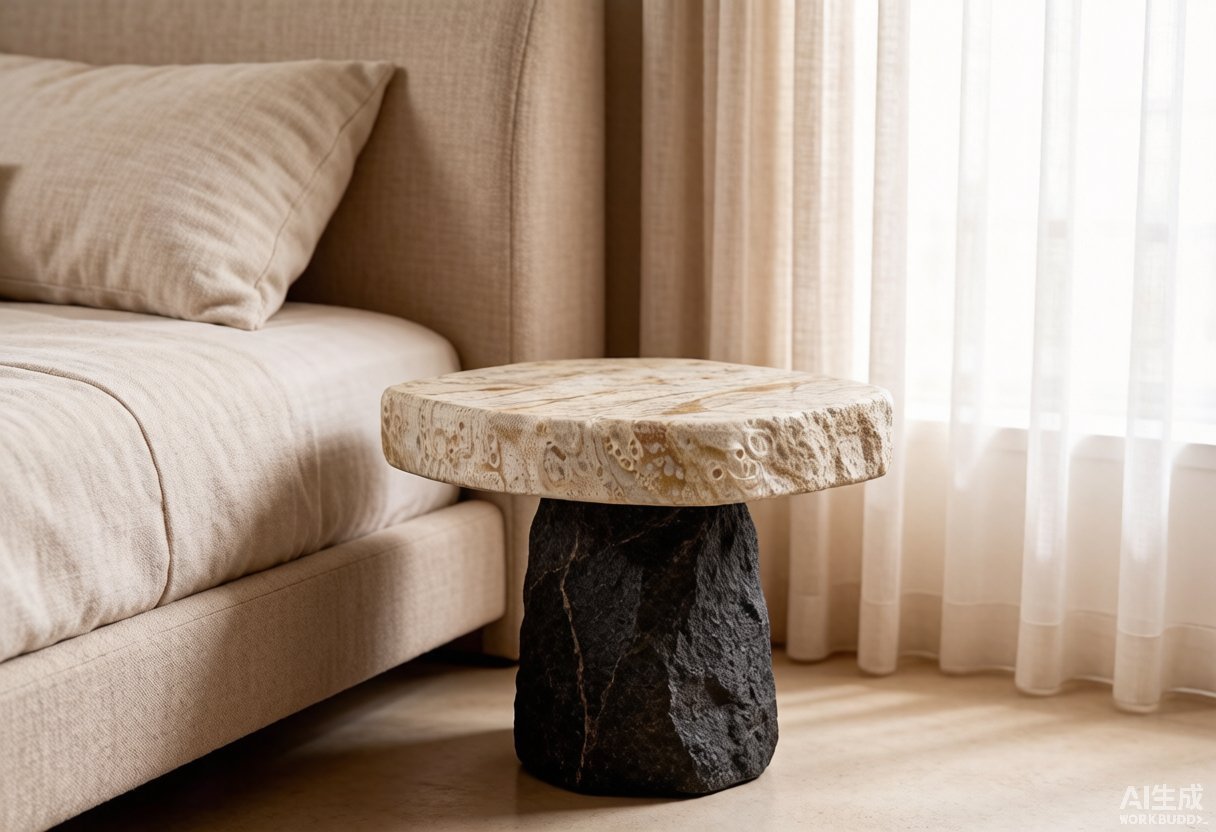
Bedroom Applications: The Stone Side Table for Bedside Use
The stone side table is often requested as a minimalist accent piece that brings texture to soft, fabric-heavy bedrooms without adding bulk. However, sourcing this item requires understanding its structural constraints compared to wood or metal alternatives.
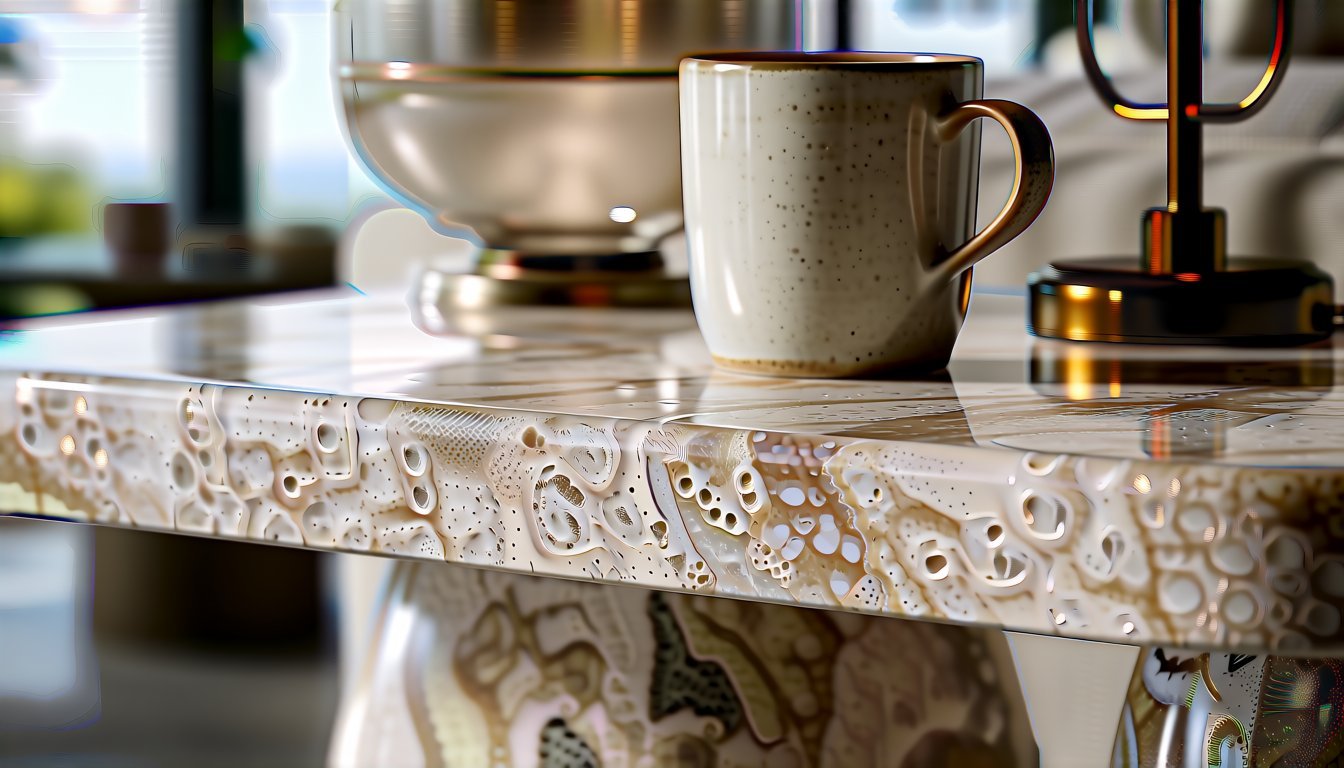
For bedroom applications, the typical dimensions range from 40cm x 40cm for compact nightstands to 60cm x 35cm for larger foot of the bed tables. Weights usually fall between 12kg and 18kg depending on thickness (often 2.5cm to 3cm) and stone density. When a buyer orders these, they must account for shipping restrictions; standard air freight often excludes items over 70-80 lbs due to weight charges, making ocean freight the preferred method even if transit times extend by two weeks or more compared to air cargo.
Quality checks are critical here because bedroom furniture sits near sleeping areas where noise and vibration matter less than stability. A common issue we see with suppliers is uneven thickness in slabs used for stone side table production, leading to wobbly legs that customers return immediately upon arrival. When negotiating with factories like Gladystone, ask specifically about the machining tolerance on leg attachments. Most premium units use integrated basalt or granite blocks rather than bolt-on metal legs, which adds 0.5kg to total weight but eliminates rattling sounds.
Another consideration is heat resistance. Bedside tables often hold lamps and hot mugs. While marble and quartzite handle heat well (up to 200°C briefly without scarring), limestone may discolor under direct lamp heat over time. If you are white-labeling for a high-end brand, specify that the supplier uses resin-free stone or applies a specific thermal-resistant sealant on contact surfaces. This technical detail often costs an extra $15–$30 per unit in production but prevents costly warranty claims later.
Outdoor Durability: The Marble Balcony Table Challenge
Moving from interior design to outdoor spaces introduces entirely different sourcing criteria. A marble balcony table must withstand UV exposure, rain, and temperature fluctuations that indoor furniture never faces. Many importers mistakenly source the same slabs used for living rooms but fail to adjust their product descriptions or pricing models accordingly.
For a marble piece intended for an apartment balcony in climates like Florida or Southern California, you typically need stone with high calcite content resistance to prevent etching from acid rain or bird droppings. Typical outdoor-rated granite weighs roughly 25kg per square meter depending on thickness (3cm is standard). If the slab comes from a quarry known for dark veining, black grout lines can trap moisture and freeze-thaw damage occurs quickly in winter months without proper drainage planning around the table legs.
Lead times for customized outdoor pieces often stretch to 45–60 days because quarries may need to reserve specific batches with lower porosity. Standard indoor marble might have a water absorption rate of 0.3%, whereas outdoor-grade granite should stay under 0.1% after sealing. When building your Shopify store, clearly state whether the item requires annual resealing or if it is factory-sealed for “low maintenance” marketing claims. Misleading customers on this point leads to high return rates in Q4 when weather turns cold and wet.
Cost structures also change significantly outdoors. Shipping a 60kg stone table internationally adds substantial freight costs due to volume and weight, often pushing the landed cost $20–$35 higher per unit compared to indoor equivalents. To remain competitive while maintaining margins, consider offering smaller balcony-specific sizes (e.g., round tops with 90cm diameters) that reduce shipping pallet space utilization by roughly 15%.
Balcony Versatility: Stone Accent Table Solutions for Small Spaces
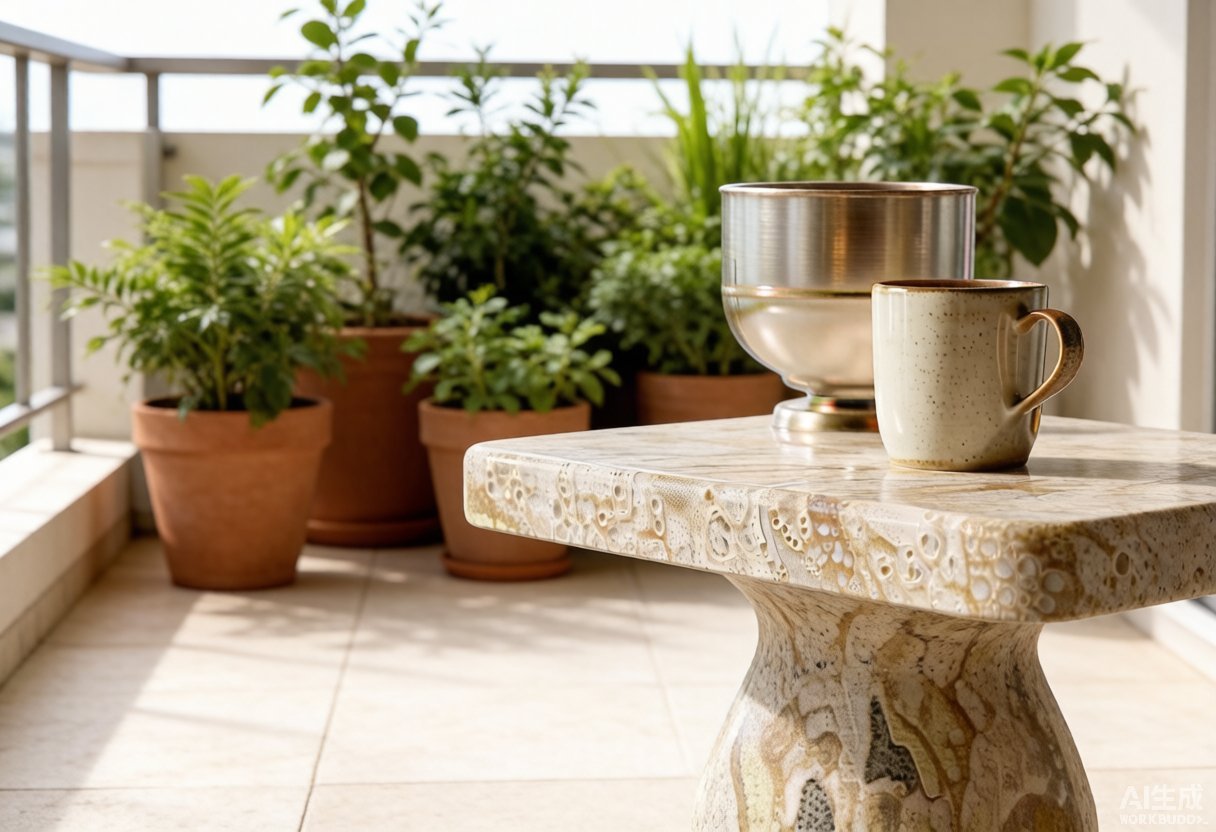
Not every outdoor setting demands a full dining table. A stone accent table serves as an ideal solution for small balconies, entryways to patios, or reading nooks under trees where furniture needs to be both durable and visually light. These pieces generally feature single-block tops supported by tapered legs that allow air circulation underneath, reducing mold growth risk in humid climates.
Typical sizes for these accent units range from 30cm x 60cm (length) up to 80cm wide depending on the intended use case. Weights hover around 15kg–20kg which is manageable for manual loading onto trucks but requires careful handling during final delivery steps. If you are targeting wholesale clients who need stock-able SKUs, ensure your supplier can produce these in modular configurations—such as interchangeable tops that fit multiple base designs—to minimize inventory risk if color trends shift.
Another hidden cost factor involves packaging materials specific to outdoor transport. Standard cardboard boxes fail against moisture; stone accent tables shipped outdoors require corrugated double-wall cartons reinforced with plastic film and corner protectors made of dense foam rather than paper pulp. These upgraded packing solutions add roughly $4–$6 per unit in material costs but prevent surface scratches that occur when pallets are stacked high during ocean voyages lasting 30+ days.
Finally, consider the finish texture for outdoor applications. Polished finishes show water spots and dust easily on balconies with tree cover or near fountains; a honed or leathered finish is more practical despite potentially higher production costs of $2–$4 per square foot extra. Clarify these options early in your sourcing dialogue to avoid sending unsuitable stock to customers expecting weather-proof performance without realizing the maintenance requirements involved.