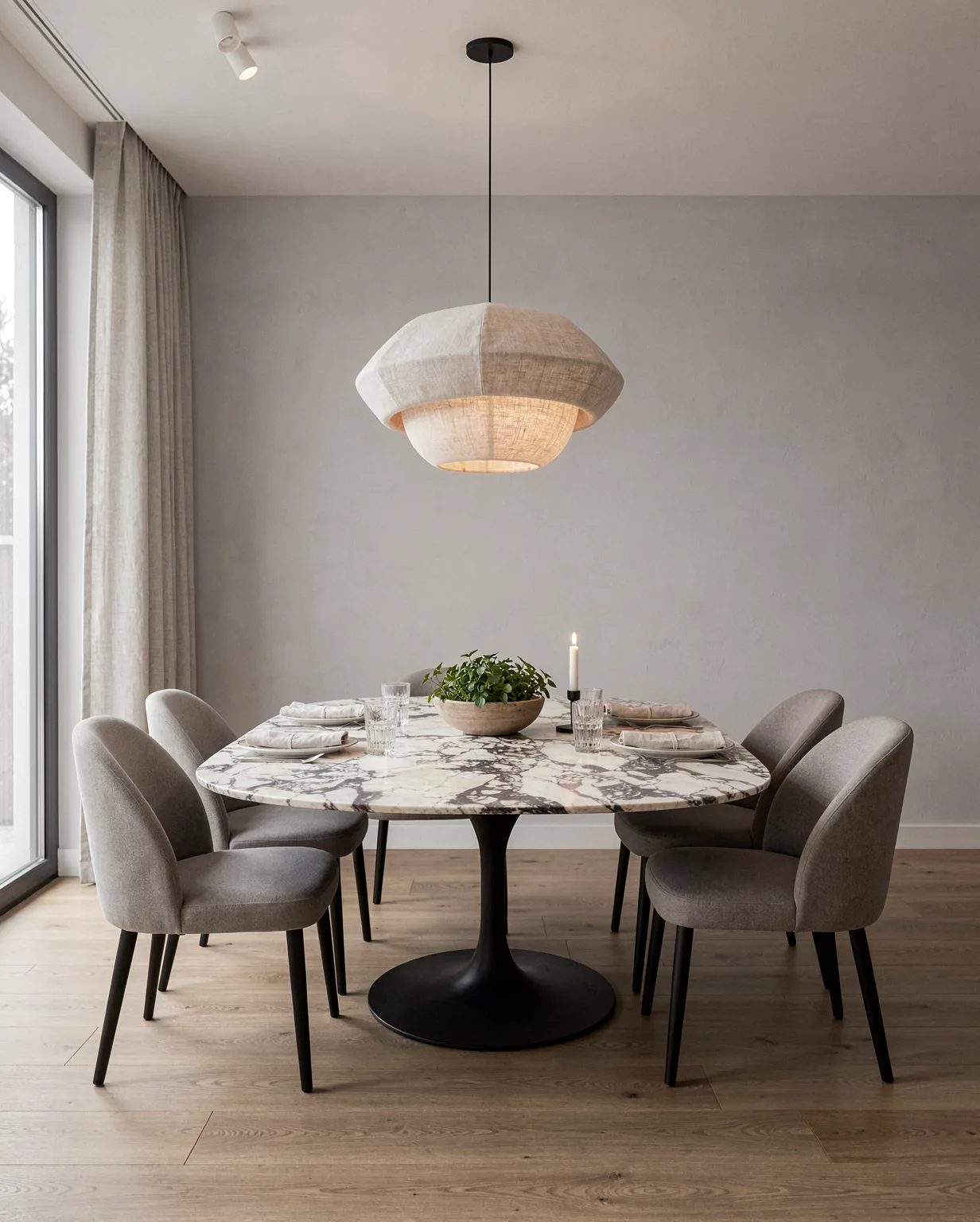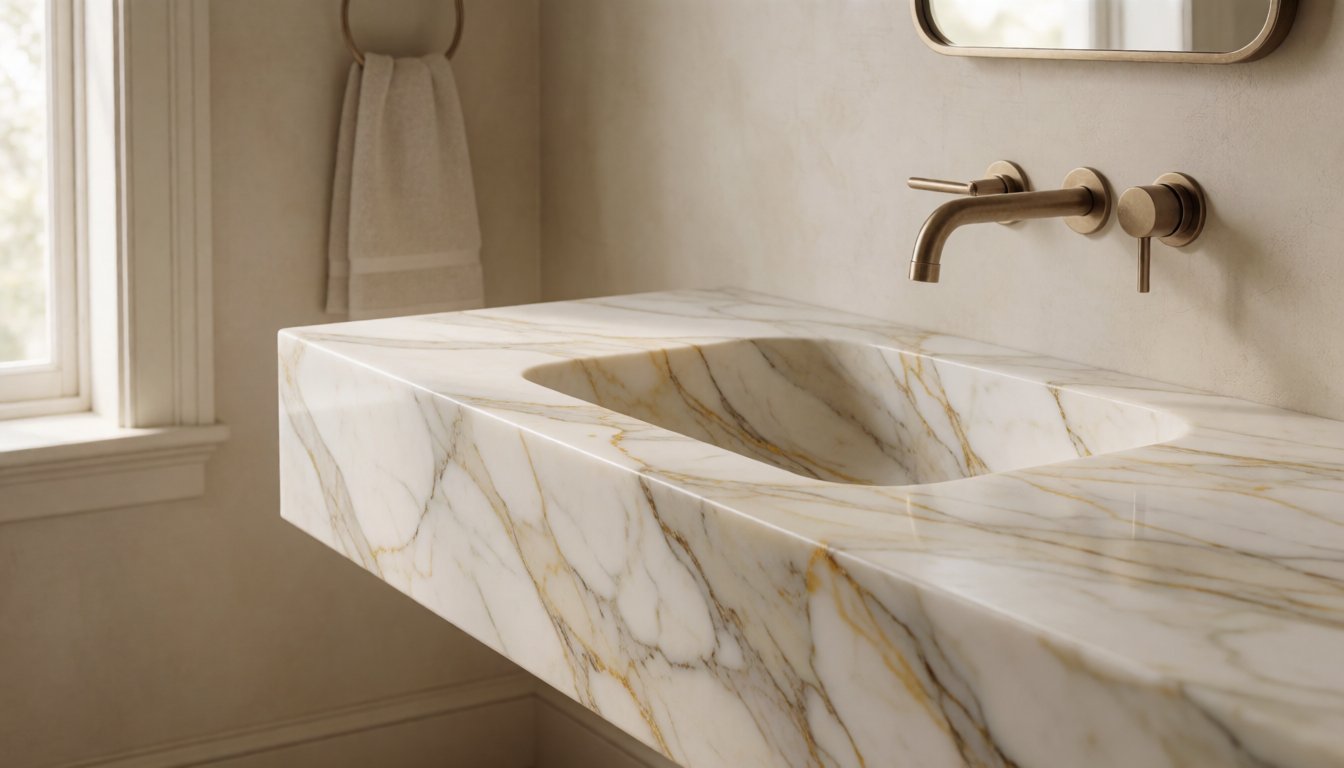
Natural stone furniture like marble sinks and dining tables are prized for their unique beauty, but this uniqueness brings a specific challenge: every piece is different. As an importer or brand owner buying from China suppliers like Gladystone, you need to understand that stone color variation is not a defect; it is the defining characteristic of natural material. When ordering a batch of 50 vanity tops for your retail line, you might expect perfect uniformity across all units. In reality, expecting identical slabs means missing out on the premium value customers pay for genuine stone. This guide explains why marble batch difference happens and gives you practical steps to manage expectations while maintaining high quality standards for your US or EU markets.
The Natural Chemistry Behind Batch Differences
The primary driver of inconsistency is geology, not poor manufacturing control. Marble forms deep underground over millions of years through the metamorphism of limestone. During this process, minerals like calcite and dolomite mix with impurities such as iron oxides, clay, or graphite at varying depths and pressures. This creates distinct “veining” patterns and base colors that shift even within a single quarry wall.
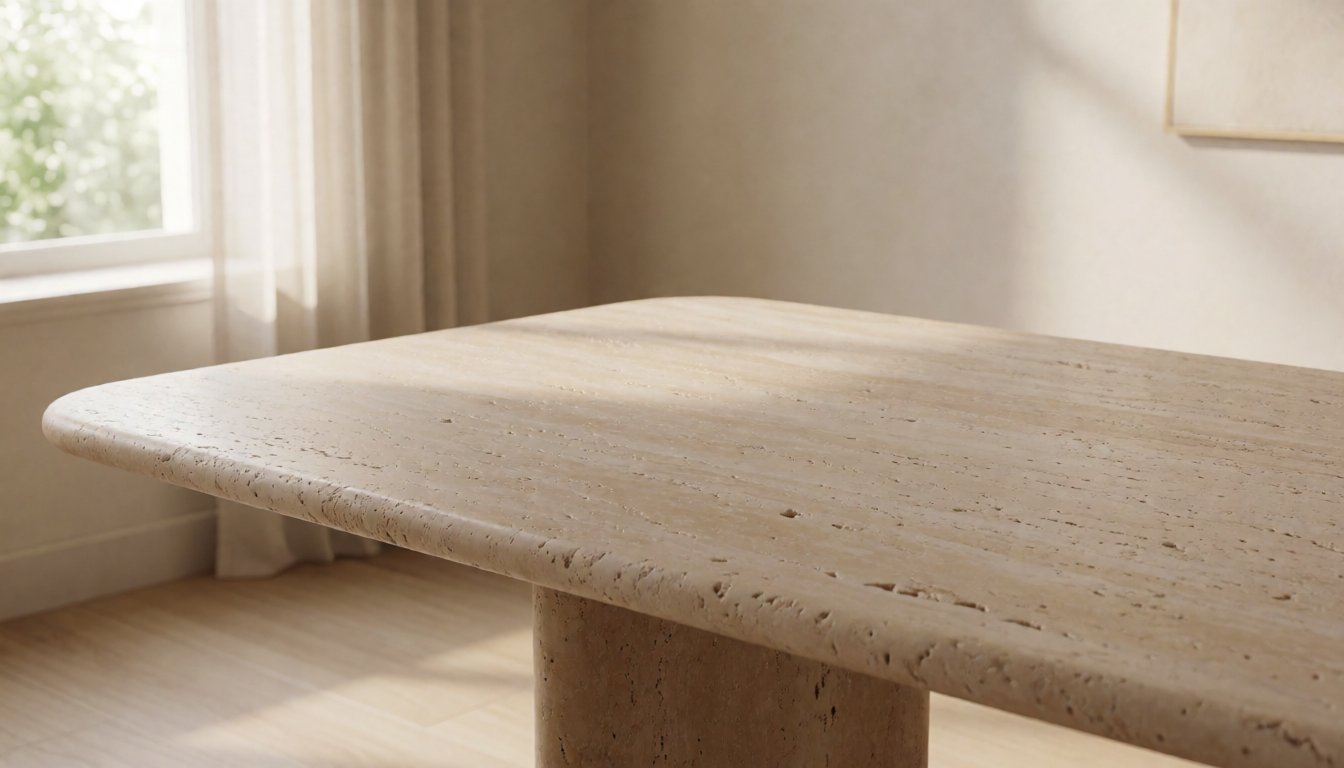
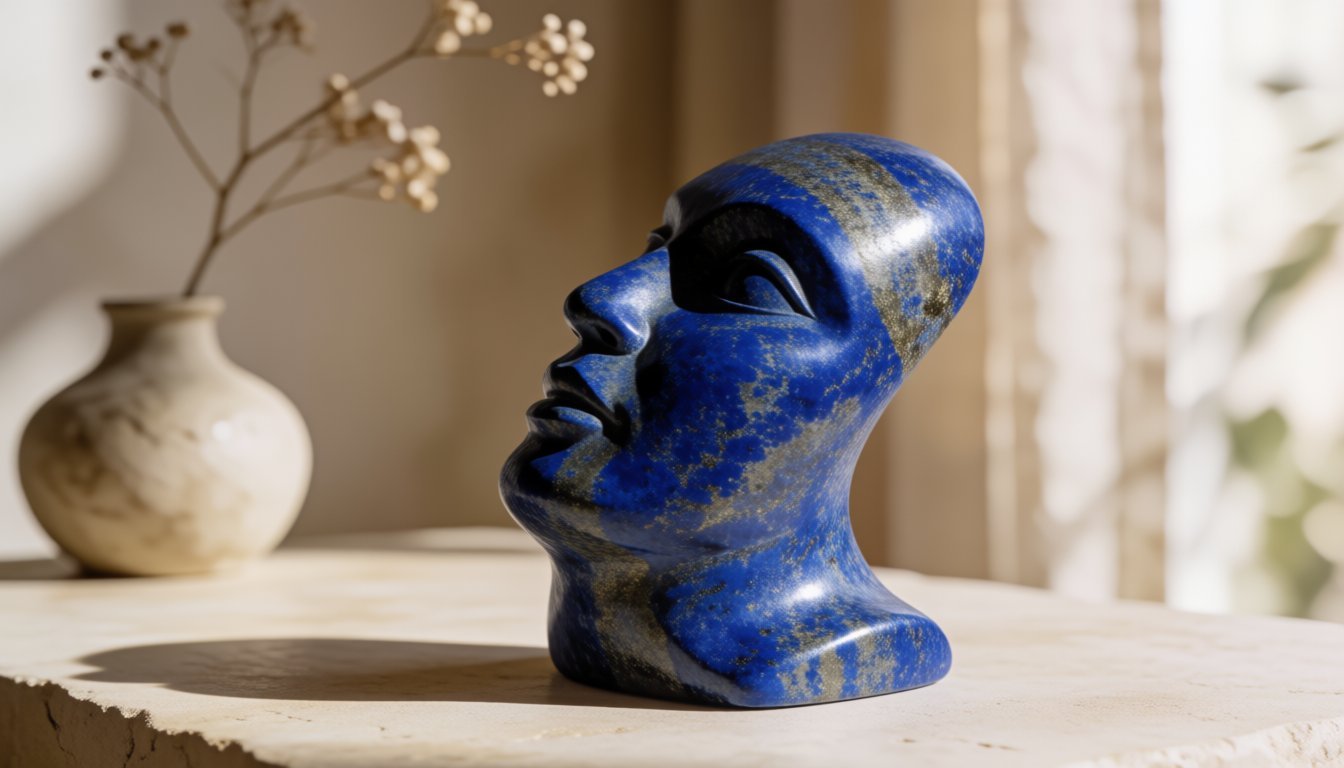
When Gladystone cuts slabs from different sections of the same vein, the color intensity can change significantly. For example, you might order 20 units of Calacatta Gold. One batch could be creamy white with soft gold veins averaging 3–5 mm in width, while another batch cut weeks later might appear warmer or have thicker veining (8+ mm). This is especially true for stones like Travertine or Lapis Lazuli, where natural pits and mineral deposits create inherent irregularities.
Understanding this chemistry helps you avoid rejecting good quality stone simply because it looks slightly different from the first sample approved by your design team. If a supplier guarantees “exact match” across 100 pieces without showing proof of sourcing, they are likely hiding low-quality filler stones or attempting to pass off engineered quartz as natural marble.
How Quarries and Fabricators Control Consistency
While nature dictates variation, the supply chain adds another layer of complexity that buyers must monitor. In China, large quarries operate in massive blocks called “walls.” A single shipment might pull slabs from three different locations on a quarry map: Zone A (top section), Zone B (middle section), and Zone C (bottom). Each zone often has its own color profile.
If your initial sample comes from the top of Wall 4, but the production run pulls mostly from the middle or bottom due to logistics constraints, you will see noticeable shifts in hue. Furthermore, fabrication techniques impact perceived consistency. If a supplier uses laser cutting for complex sink shapes versus waterjet cutting for simple bowls, heat input can alter surface colors slightly on light-colored stones like Carrara White.
To manage this, ask your manufacturer how they group orders by quarry wall and specific block number before shipping. Request photos of the exact blocks from which your production units are being cut, not just finished product images. This transparency allows you to verify that no inferior slabs have been substituted into your shipment. Always define acceptable variance ranges in your purchase order rather than demanding absolute perfection, which is impossible with raw stone.
Strategic Approaches for Brands and Retailers
Successful brands do not fight nature; they leverage it. However, if you are a dropshipper or interior designer selling to end consumers who expect consistency, you need a strategy to handle stone color matching. Here are three proven approaches used by top-tier suppliers in the sector:
- Pre-Sorting and Curation: Before cutting sinks or table tops, reputable factories sort full slabs into “A-grade” (high vein density), “B-grade,” and specific hue groups like “Cool White” vs. “Warm Cream.” When you place an order for a new collection, request that the factory pre-sorts inventory to ensure every unit in your SKU falls within a narrow color band. This adds cost but protects your brand reputation.
- The Sample Buffer Stock: Never launch a product line without holding at least two full-size slabs of each base stone as internal reference samples. When new batches arrive, cut small test pieces (e.g., 30×60 cm) and compare them side-by-side under your warehouse lighting conditions. If the variance exceeds your tolerance threshold—say more than 15% difference in veining density or a shift of two distinct color notes on a Lovibond scale—you can request an exchange before cutting final products for customers.
- Customer Education: Train your sales team to explain why no two stones look exactly alike. When a customer complains about a sink looking different from the showroom display, show them how natural fissures and veining patterns differ naturally across batches. If you frame this as a feature rather than a flaw, returns decrease significantly.
Cost Implications of Color Management Demands
Trying to force absolute uniformity will inevitably drive up your landed cost in unpredictable ways. To maintain strict color control, suppliers may need to source from specific high-grade quarries that charge premiums or engage in extensive manual sorting before cutting begins. These processes add days to the lead time and increase labor costs per square meter of slab.
If you demand a “perfect match” for an order of 20 vanity units but only have one large block available, the factory might need to source from a different quarry entirely just to get close enough color-wise. This extends your lead time by roughly 15–30 days. Additionally, if they cannot find matching slabs within their current inventory for your specific design request, you risk production delays or partial shipments of mismatched goods.
A practical approach is to negotiate a “color tolerance window” in your contract. Specify that units must fall within the same general hue family (e.g., all warm whites) rather than requiring pixel-perfect replication across hundreds of pieces. This balance allows for natural beauty while keeping costs predictable and delivery schedules reliable. Always factor potential rejection rates into your pricing model, as you may need to order 5–10% overage specifically to account for unusable slabs that fall outside your color specifications.