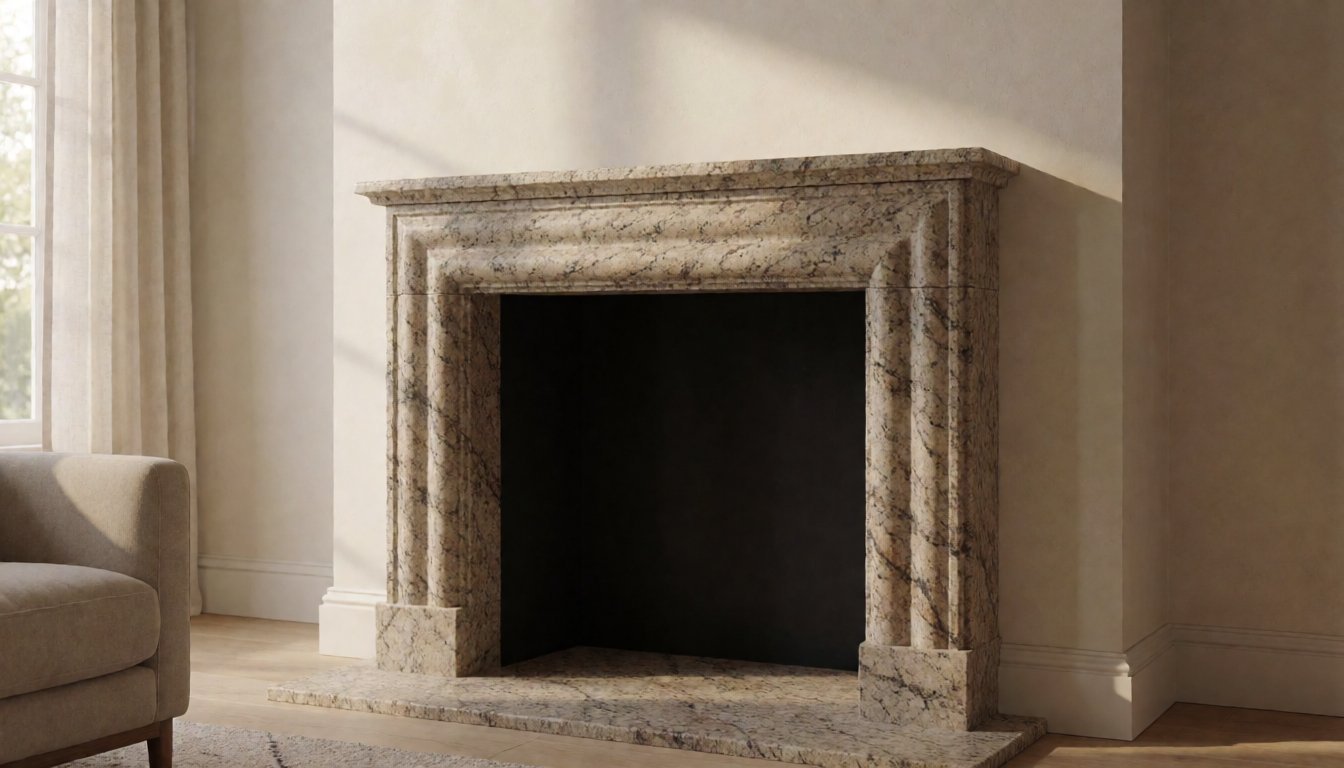
Installing natural stone around a fireplace isn’t just an aesthetic choice; it is a critical safety decision that affects your liability, insurance premiums, and customer satisfaction. As a buyer or importer sourcing fireplaces for the US or EU market, you must understand the technical constraints before selling these units. A common mistake among dropshippers is assuming that any stone slab can sit directly against a heat source. The reality involves strict adherence to clearance distances and mandatory heat shielding protocols. These rules vary significantly by material type—distinguishing between granite, slate, and softer stones like marble or limestone—and by the fuel source: wood, gas, or electric. Ignoring these specifications leads to code violations, insurance denials, and potential fire hazards. This guide breaks down the hard numbers you need to know when vetting suppliers like Gladystone for your inventory.
Understanding Clearance Distances for Different Stone Types
The primary factor in stone fireplace installation is maintaining safe distance between the heat source and the combustible stone surface. Most local building codes, such as the US IRC or EU standards, require a minimum air gap to prevent thermal transfer from igniting the stone or the backing structure.
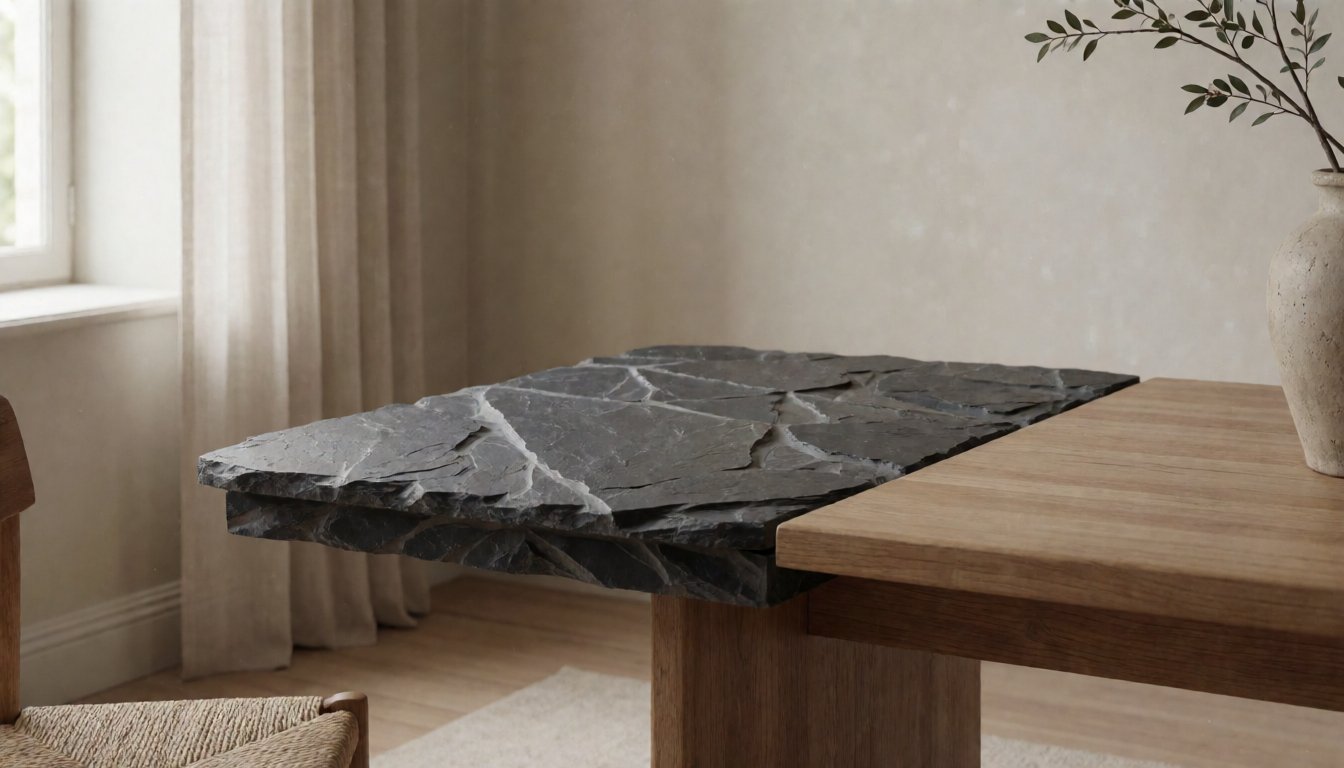
For wood-burning fireplaces, which generate the highest heat output, standard granite or slate slabs typically require a clearance of 12 to 18 inches (30–45 cm) on all sides unless a specific non-combustible hearth pad is used. However, many stone manufacturers can supply pre-fabricated surrounds that reduce this gap to 6 inches (15 cm) if the stone has been heat-treated or is backed with a specialized ceramic tile layer.
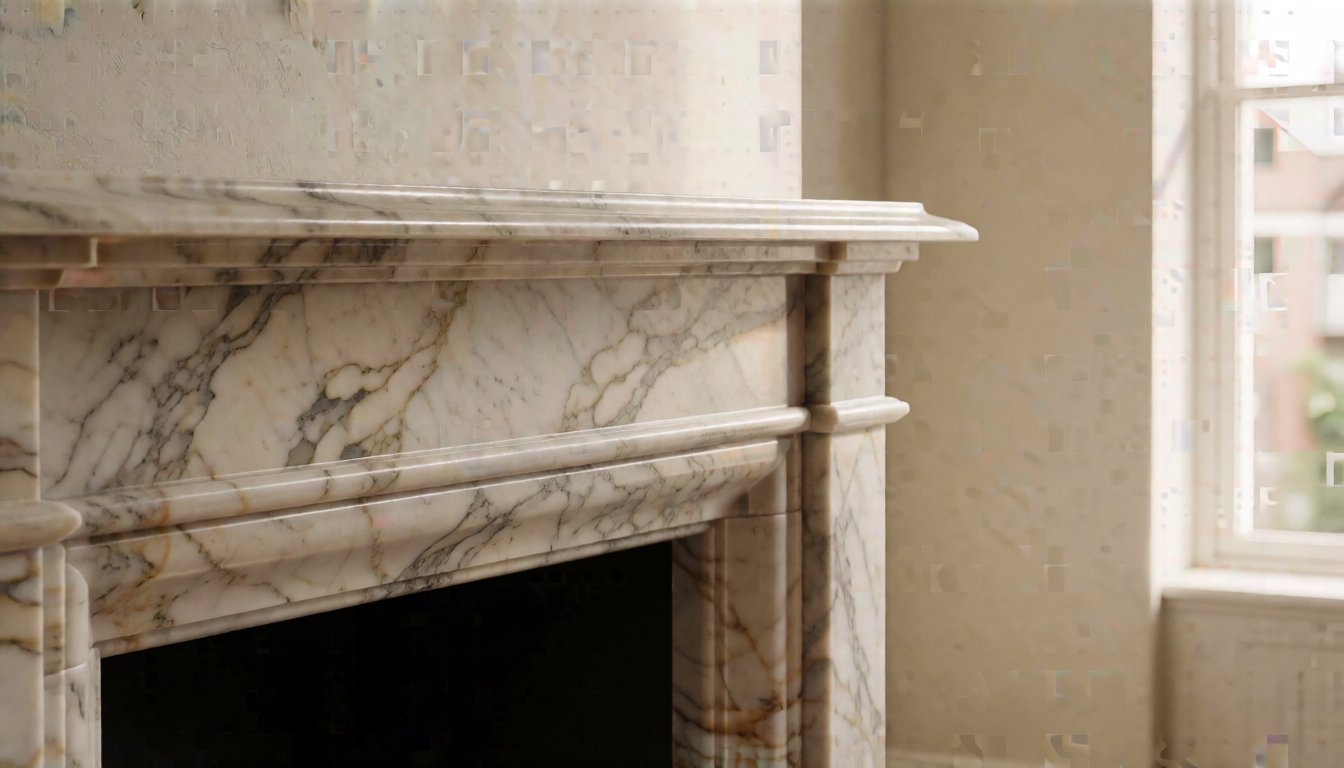
When sourcing stone fireplace installation materials, ask your supplier for their specific tested data sheets. Do not rely on generic “fireplace” claims. For example, a standard slab might be 2 cm thick, but a heat-treated version could still be 2 cm thick with different internal properties. If you are importing large dining tables or side tables that double as hearth extensions, ensure the stone thickness meets local fire codes. Thin slabs under 1 cm often require wider clearance gaps because they conduct heat differently and may crack under thermal shock.
Always verify the weight of the stone units. A heavy granite surround weighing over 200 kg per unit requires a reinforced floor structure, especially if placed near an open flame. In Europe, regulations are often stricter regarding the maximum distance from the flue. If your supplier cannot provide a certified heat-treated slab, you must plan for larger installation clearances, which reduces the usable hearth area and impacts the final design for your customers.
The Necessity of Marble Heat Shield Specifications
Not all stones react to heat in the same way. This is where the marble heat shield concept becomes vital for buyers stocking natural stone products. Marble and limestone are calcareous stones; they are porous and susceptible to thermal shock. Unlike granite or soapstone, which can often withstand direct radiant heat, marble can crack, discolor, or spall if exposed to temperatures exceeding 200°F (93°C) without protection.
When selecting stone for a gas fireplace, you must insist on a proper marble heat shield. This is usually a metal plate—often steel or aluminum coated with ceramic paint—or a layer of firebrick installed directly behind the marble surround. The shield redirects radiant heat away from the stone and towards the room. Without this barrier, the cost of liability for cracked slabs skyrockets.
A typical specification for a safe marble heat shield setup includes:
* Shield Material: 16-gauge steel or aluminum, often with a high-temperature ceramic coating.
* Thickness: The shield should be at least 0.5 mm thick to dissipate heat effectively before it reaches the stone.
* Installation Gap: There must be a minimum 2-inch (5 cm) air gap between the shield and the marble surface to allow for convective cooling.
If you are importing these components, check if they come pre-assembled with the fireplace unit or as separate kits. Separating the shield from the stone slab allows for custom installation but requires clear instructions on how to align them. Misalignment is a common cause of installation failure. For instance, if the shield covers less than 50% of the heat-emitting surface area, the risk of thermal damage increases significantly. Always request CAD drawings that show exactly where the shield sits relative to the gas burner or wood firebox.
Gas vs. Wood: Divergent Installation Protocols
The fuel source dictates the entire installation strategy. You cannot use the same rules for a natural gas unit as you would for a wood-burning insert. As an importer, your catalog descriptions must reflect these distinctions clearly to avoid customer returns.
Gas Fireplaces operate at lower ambient temperatures compared to wood fires but still emit significant radiant heat from the burner ports. The clearance requirements are generally tighter because gas burners can be positioned closer to the surround. Standard practice for gas units involves a 3-inch (7.5 cm) clearance on sides and top, provided a proper marble heat shield is installed behind the stone facade. However, if the gas log set produces an open flame that rises high, you may need to increase the top clearance to 18 inches (45 cm).
Wood-Burning Fireplaces demand more space. The unpredictable nature of wood fires creates higher peak temperatures and sparks. Here, the stone surround often needs a masonry backing or a dedicated heat shield made of refractory cement board. When sourcing these units, ask for the maximum BTU input rating the stone can handle. A 40,000 BTU unit requires different shielding than a 15,000 BTU unit.
For dropshippers and wholesalers, clarity here is key. If your supplier sells “universal” stone surrounds for both gas and wood, verify if they include an optional shield kit for wood applications. Often, the same stone slab cannot be used for both without modification. Mixing these installations leads to warranty voids. Always specify in your product listings whether a unit is rated for direct venting or open combustion, as this changes the required fireplace clearance distances significantly.
Verifying Certifications and Documentation Before Ordering
Before placing a bulk order, you must validate that your supplier provides the necessary documentation for international markets. In the US, look for listings on UL (Underwriters Laboratories) or Intertek databases. In the EU, ensure compliance with EN standards for combustible materials. A common pitfall is importing stone that looks beautiful but lacks the specific test reports proving its fire resistance.
Ask your supplier for:
* Test Reports: Documentation showing heat transfer rates and maximum surface temperatures under sustained use.
* Material Certificates: Proof of stone density and porosity, which affects heat retention.
* Installation Manuals: Step-by-step guides that specify exact gap measurements and anchor requirements.
* Warranty Terms: Specific clauses regarding damage caused by improper clearance or missing heat shields.
Gladystone can provide these documents for their specific product lines. If a supplier refuses to share test data, consider them too risky for a professional B2B relationship. Remember that the cost of a failed installation is far higher than the difference in price between two stone suppliers. By prioritizing safety specs over aesthetics alone, you protect your brand and ensure long-term customer trust.
Conclusion
Sourcing natural stone furniture requires more than just finding pretty pictures of sinks or tables; it demands a deep understanding of fire safety mechanics. Whether you are stocking gas inserts or wood stoves, the rules for **