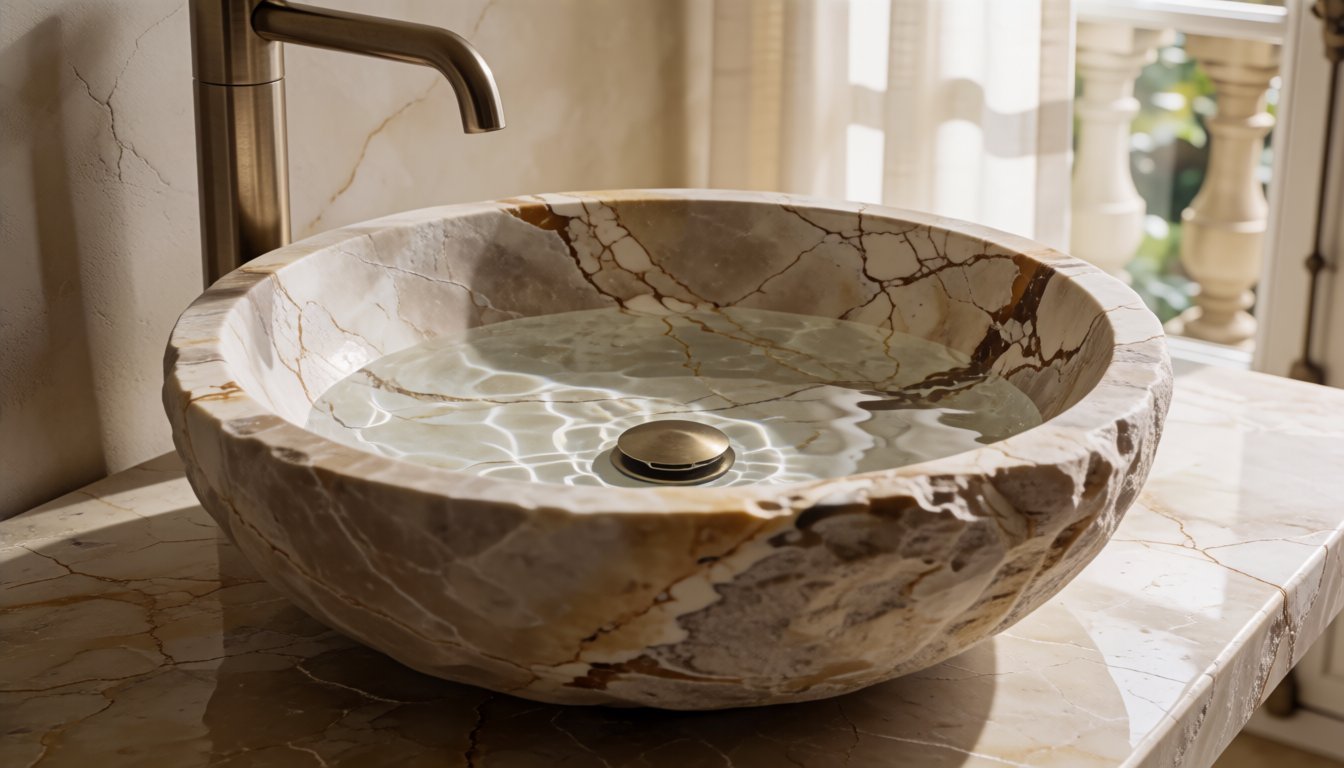
Every B2B importer knows the reality of selling natural stone sinks to US and EU retailers: customers love the look but hate the maintenance. When a buyer orders a 45cm x 30cm marble basin or a 60cm granite countertop sink, they expect durability. However, calcium carbonate deposits from tap water create stubborn marks that confuse end-users. If a customer thinks their stone etched instantly, they may return the item to the dropshipper. As manufacturers at Gladystone, we often see this issue in our quality control logs. Proper cleaning protocols are not just about aesthetics; they protect the brand reputation of your white-label clients. Below is a technical guide on removing hard water stain stone surfaces without damaging the polish or triggering acid reactions that lead to permanent etching.
Understanding the Difference Between Stains and Etch Marks
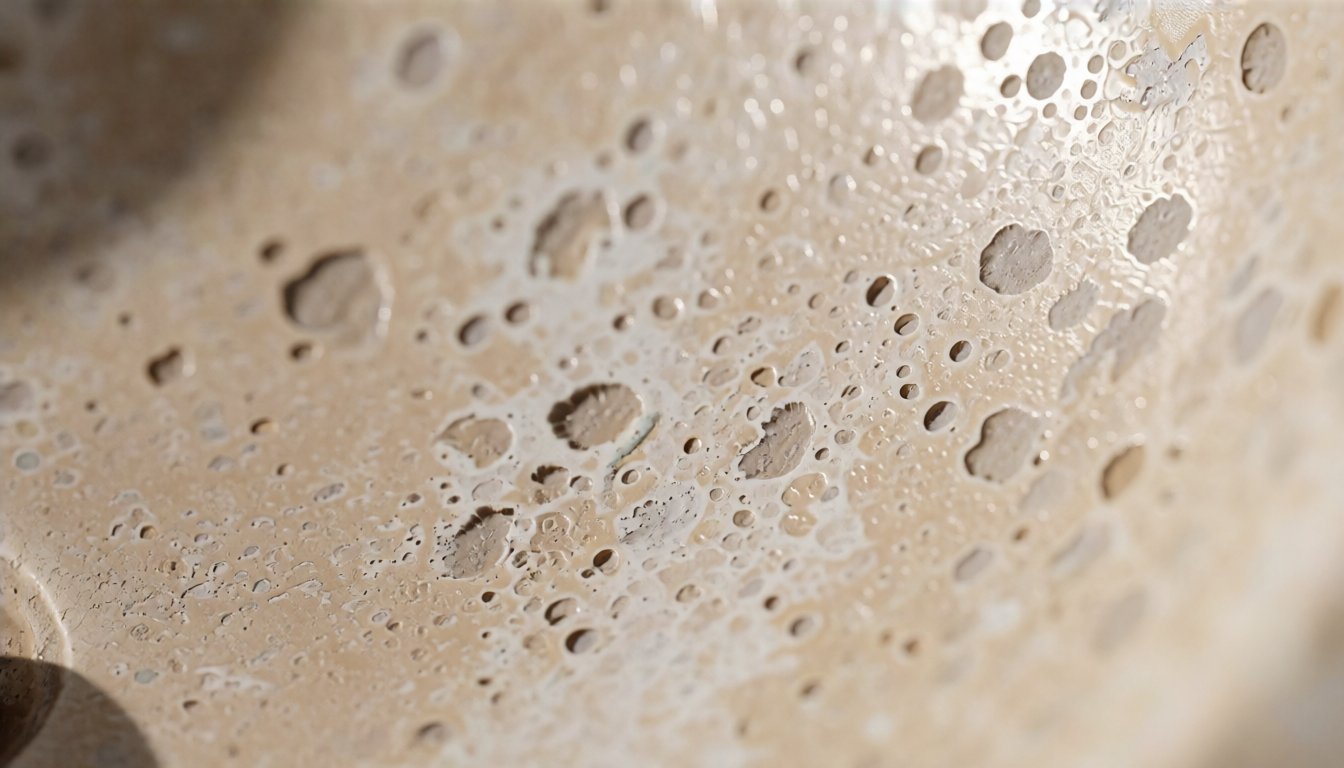
Before applying any chemical solution, you must distinguish between two common defects. A hard water stain appears as white, chalky patches caused by mineral buildup. These are superficial and removable. An etch mark, conversely, looks dull or cloudy because an acid has dissolved the stone’s surface layer.
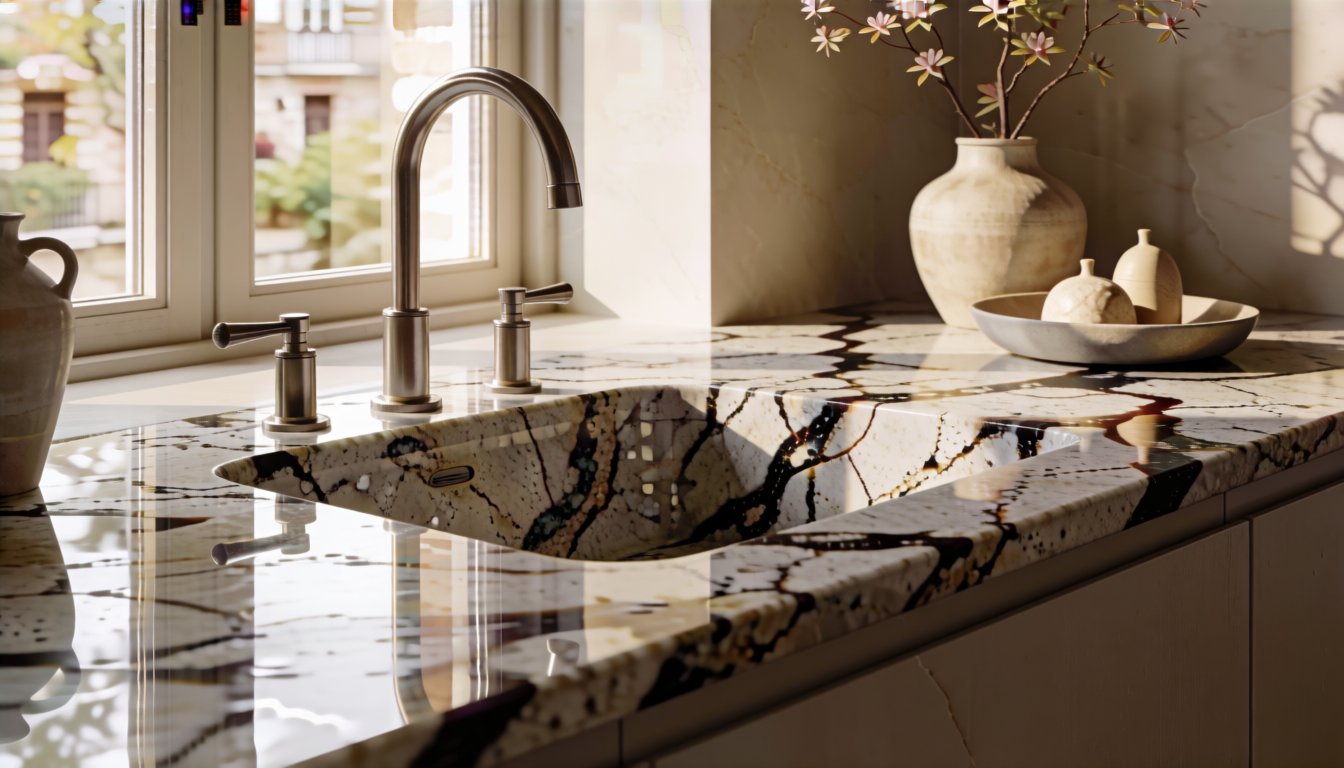
If you attempt to remove a true hard water stain stone deposit using vinegar or lemon juice, you risk turning a simple cleaning job into irreversible damage. Acid reacts with calcium carbonate in marble and limestone, eating away the top millimeter of polish. This creates a depressed, matte spot that requires professional polishing to fix.
When sourcing from China, ensure your supplier understands this distinction. A competent factory will label their care sheets clearly. Do not accept vague instructions like “use acidic cleaners.” For white-label brands in the US, you need specific advice on pH levels. Ideally, the cleaning agent should be neutral or slightly alkaline to lift minerals without attacking the stone matrix.
The Safe Cleaning Protocol for Sensitive Stones
The most effective method for stone basin descaling involves mechanical action combined with mild chemistry. Avoid harsh abrasives like steel wool or scouring powders containing silica, which can scratch even granite. Instead, use a soft microfiber cloth and a dedicated stone cleaner available at most US hardware stores.
For immediate removal of fresh deposits, mix equal parts warm water and distilled white vinegar in a spray bottle. Spray the affected area of a 50cm oval basin for no more than two minutes. The acidity here is controlled; it dissolves loose minerals but does not have time to penetrate deep into the stone. Immediately wipe with a damp cloth and buff dry with a clean towel. This prevents water spots from setting.
For older, calcified buildup on thick slab sinks (1.2cm to 2cm thickness), you may need a commercial descaler specifically formulated for natural stone. These products often contain citric acid or phosphoric acid at concentrations safe for limestone and marble. Apply the product according to the manufacturer’s dwell time instructions, usually between 5 to 10 minutes. Scrub gently with a non-abrasive pad. Rinse thoroughly with clean water to remove all residue. Leaving descaler on the stone too long can cause micro-etching that looks like permanent damage under bright lighting.
Maintenance and Prevention for Retailers
Your B2B clients will appreciate a product line that includes preventative care instructions. The best defense against white spots is regular maintenance. Advise customers to wipe down their sinks with a soft cloth after every use, especially if they have hard water. Hardness levels above 150 ppm (parts per million) accelerate mineral buildup significantly.
Consider bundling your stone table or sink orders with branded microfiber cloths and neutral pH cleaning sprays. This adds value to the end-user experience without significant cost to you. It also demonstrates that Gladystone cares about long-term product performance, not just initial sales.
Water filtration systems are another effective solution for high-end residential clients. Installing a showerhead filter or under-sink water softener reduces calcium intake by up to 80%. While this adds to the installation cost, it drastically extends the life of the finish. For commercial projects like hotel bathrooms, daily cleaning with a pH-neutral detergent is mandatory. Never allow water to sit in the sink overnight; evaporation leaves behind a layer of minerals that becomes difficult to remove later.
Communicating Quality Standards to Your Suppliers
As an importer or wholesaler, you must verify your supplier’s ability to handle these issues before placing large orders. Ask Gladystone or your other Chinese manufacturers for their specific cleaning manuals. Do not settle for generic PDFs found online. Request data on how their polishing processes handle water resistance.
Check the sealant application. Some factories apply an impregnating sealer that repels water and oil, making future cleaning easier. Others rely solely on the stone’s natural density. Granite naturally resists water better than marble or travertine. If you are sourcing a white limestone vanity, expect higher maintenance requirements. Be transparent with your buyers about these differences so they do not claim defects when normal mineral buildup occurs.
Lead times for custom sealant jobs can add 3 to 5 days to production. If you need a specific stain-resistant coating, ask about this during the sample phase. Do not assume standard polishing includes water repellency. Clear communication on these points saves disputes later. When a retailer calls complaining about “bad quality stone,” remind them that proper descaling is part of ownership, not a defect in the product itself.
Final Thoughts on Product Longevity
Natural stone furniture remains a premium choice for interior designers because of its unique veining and depth. No synthetic material can replicate the beauty of a Calacatta Gold slab or a deep green serpentine. However, that beauty requires care. By educating your clients on marble etch removal safety and proper descaling techniques, you transform potential complaints into trust.
Gladystone continues to refine our manufacturing processes to deliver slabs with consistent polish and minimal porosity. We understand the demands of the US and EU markets where water hardness varies wildly from region to region. Our goal is to provide not just sinks and tables, but a complete solution for maintaining their investment. When you order from us, expect detailed care guides included in your shipment packaging. This proactive approach separates serious manufacturers from casual factories. Focus on education, use the right tools, and your stone products will remain pristine for years.