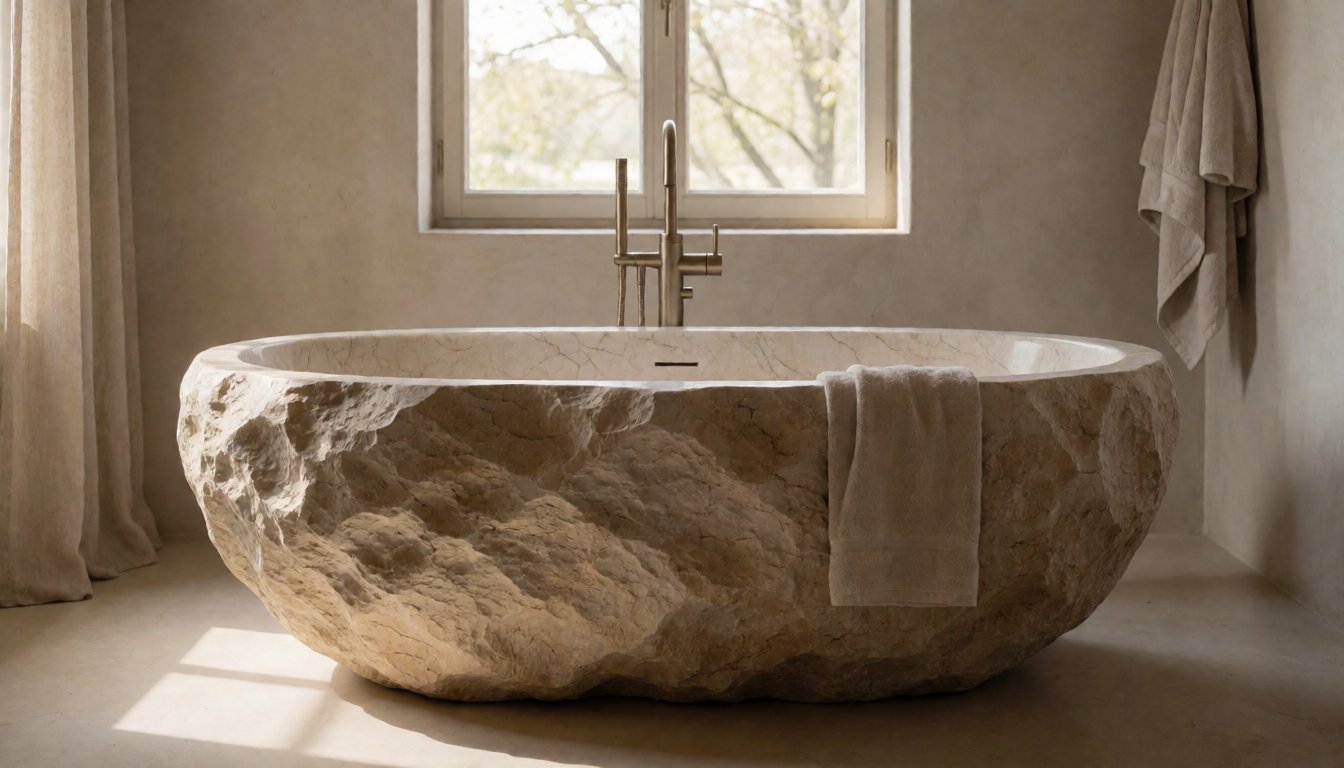
Choosing between air freight and sea freight isn’t just about price; it’s about balancing inventory turnover against material weight. As an importer sourcing stone sinks or dining tables from China, your decision hinges on three factors: total landed cost per unit, required lead time, and the specific dimensions of your cargo. Stone is heavy and fragile, making shipping logistics a critical part of your supply chain strategy. This guide breaks down when to use air freight for urgent restocks versus standard sea freight marble, helping you calculate realistic margins before placing an order with manufacturers like Gladystone.
Calculating True Landed Costs per Unit
The headline number from a courier quote rarely tells the whole story. When comparing shipping methods, you must look at the cost per finished product, not just the total bill of lading or air waybill charge. A single large container might cost $8,000 to $12,000 via sea freight, but if it holds 50 units, that is roughly $160–$240 per piece including shipping. Conversely, a pallet sent by air freight stone services could run $3,000 for immediate delivery of only five sinks, pushing the cost to over $600 each before you even apply your markup.
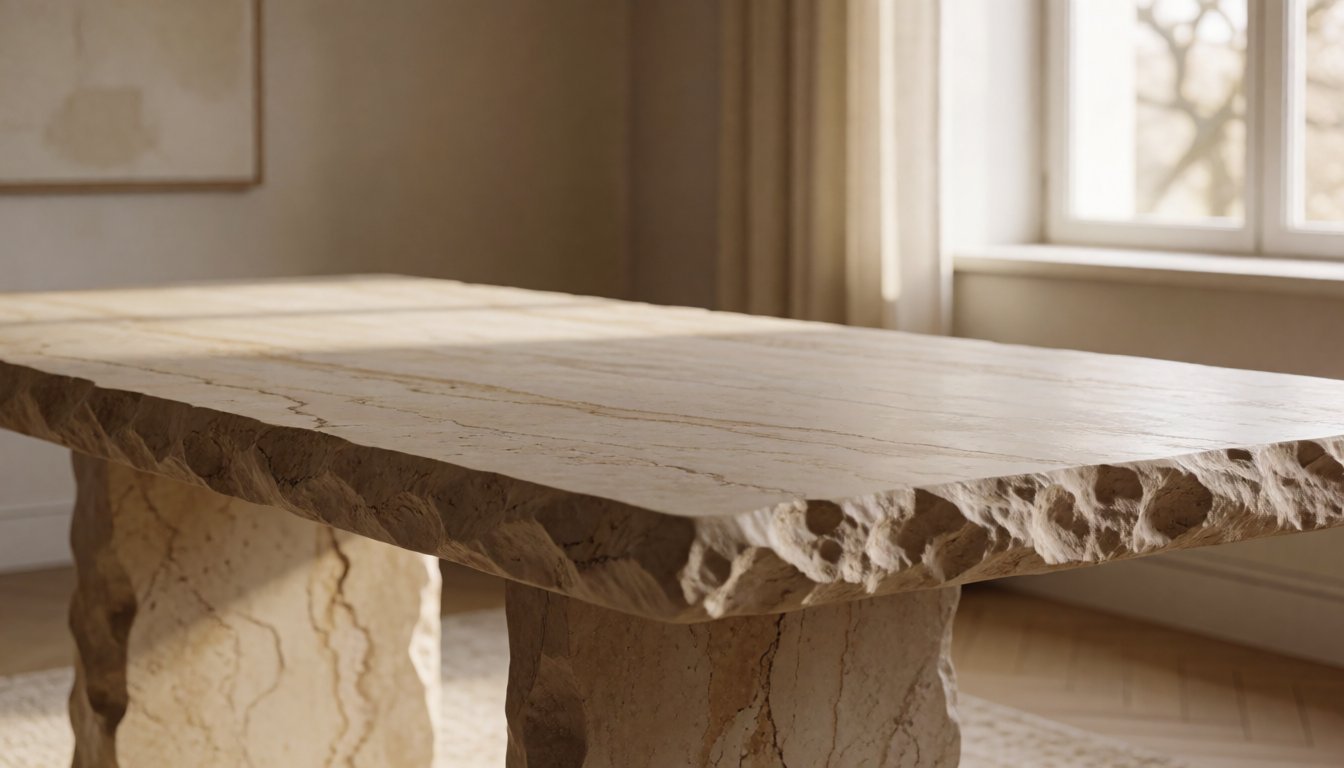
For heavy items like freestanding bathtubs or thick-edge dining tables, sea freight is almost always more economical due to volume consolidation. If you are importing a full container load (FCL) from our factory in China, expect ocean rates between $45 and $60 per cubic meter depending on current port congestion at Los Angeles, Hamburg, or Rotterdam. Air cargo typically costs 12x to 18x more than sea freight by weight. Therefore, if your unit price is low enough that shipping eats up 30% of the margin, you are likely overpaying for air transport unless speed is non-negotiable. Always request a detailed quote from Gladystone that breaks down packing density; inefficiently packed stone can waste expensive cubic meters in an FCL shipment or overweight your pallets on stone shipping method trucks.
Speed vs. Inventory Turnover Risks
Lead times are the second major variable you must weigh against cash flow. Sea freight transit usually takes 30 to 45 days from factory door (e.g., Quanzhou) to West Coast US ports, plus another 2–5 days for customs clearance and inland trucking. This means a standard order cycle is roughly 6 weeks total. For businesses with high inventory turnover or seasonal spikes in demand for stone decor items like fireplaces or vanities, this delay can be risky. If you sell out of your current stock before the ship arrives, sales stop entirely.
Air freight stone shipments bypass much of this timeline. You can expect goods to arrive at US airports within 5 to 7 days after pickup in China, with customs processing often taking only 1–2 weeks total for consolidated cargo (DDP terms). This allows you to clear your warehouse and restock quickly without tying up massive capital in a ship waiting at the dock. However, air freight has strict weight limits per pallet; heavy granite tables may need multiple pallets shipped separately or require specialized ground handling fees that eat into savings. For wholesalers managing tight stock levels, air freight stone acts as an insurance policy against missing sales windows during peak seasons like summer patio renovations.
Packaging Standards and Damage Prevention
Regardless of the carrier chosen, packaging dictates how much damage you will absorb upon delivery. Stone is brittle under vibration or impact; a drop from 10 cm can crack a slab sink just because it wasn’t fully cured in time for shipment. Gladystone uses double-layered protective materials: inner foam inserts molded to each basin shape and outer corrugated boxes reinforced with edge protectors for shipping marble countertops.
When using sea freight, containers are stacked high, exposing lower pallets to potential shifting if the seals fail or water ingress occurs (though modern containers use desiccants). This makes robust wooden skids essential; they must be heat-treated and stamped IPPC compliant. For air cargo, weight distribution is tighter because aircraft have strict balance requirements. You might see slightly lighter packaging for urgent air freight stone orders if the item isn’t part of a full container load, but never compromise on internal cushioning. Always specify “breakage charge” terms in your contract; most Chinese factories will refuse to ship without insurance coverage or pre-approved packing photos showing bubble wrap thickness and corner guards. If you are importing fireplaces, ensure the chimney liner is separated from the stone surround during transit to prevent vibration damage that air travel might exacerbate if not packed correctly.
Negotiating Terms with Manufacturers Like Gladystone
Your relationship with the supplier determines whether you get favorable terms on stone shipping method costs and handling fees. As an importer, ask about their experience with FCL (Full Container Load) versus LCL (Less than Container Load). If your order value is under $10,000 or consists of small decor items like stone coasters or candle holders that don’t fill a container well, sea freight rates become prohibitive. In these cases, air freight stone becomes the only viable option despite higher per-unit costs because it avoids empty space in a 20ft container.
Negotiate who pays for inland transportation from the Chinese port to your warehouse versus paying directly via local carriers (like YTO or SF Express). Some factories offer DDP (Delivered Duty Paid) where they handle all logistics, which simplifies paperwork but may reduce their shipping margin passed back to you. For large orders of bathtubs exceeding 20 kg each, insist on direct loading into the container rather than third-party freight forwarders who charge exorbitant handling fees per pallet. Always verify that your specific product dimensions (e.g., a rectangular sink at 65×40 cm) fit standard stacking patterns to maximize cubic meter efficiency before signing an air charter agreement or booking ocean space.