The One Fact That Determines Everything Else in Stone Care
If you specify, install, or maintain natural stone, there is one fact that determines whether a maintenance program succeeds or fails: the difference between calcareous and siliceous stone. Get this wrong, and even a small cleaning mistake can cause permanent damage that requires professional restoration to fix.

Calcareous Stones: Beautiful, But Chemically Vulnerable
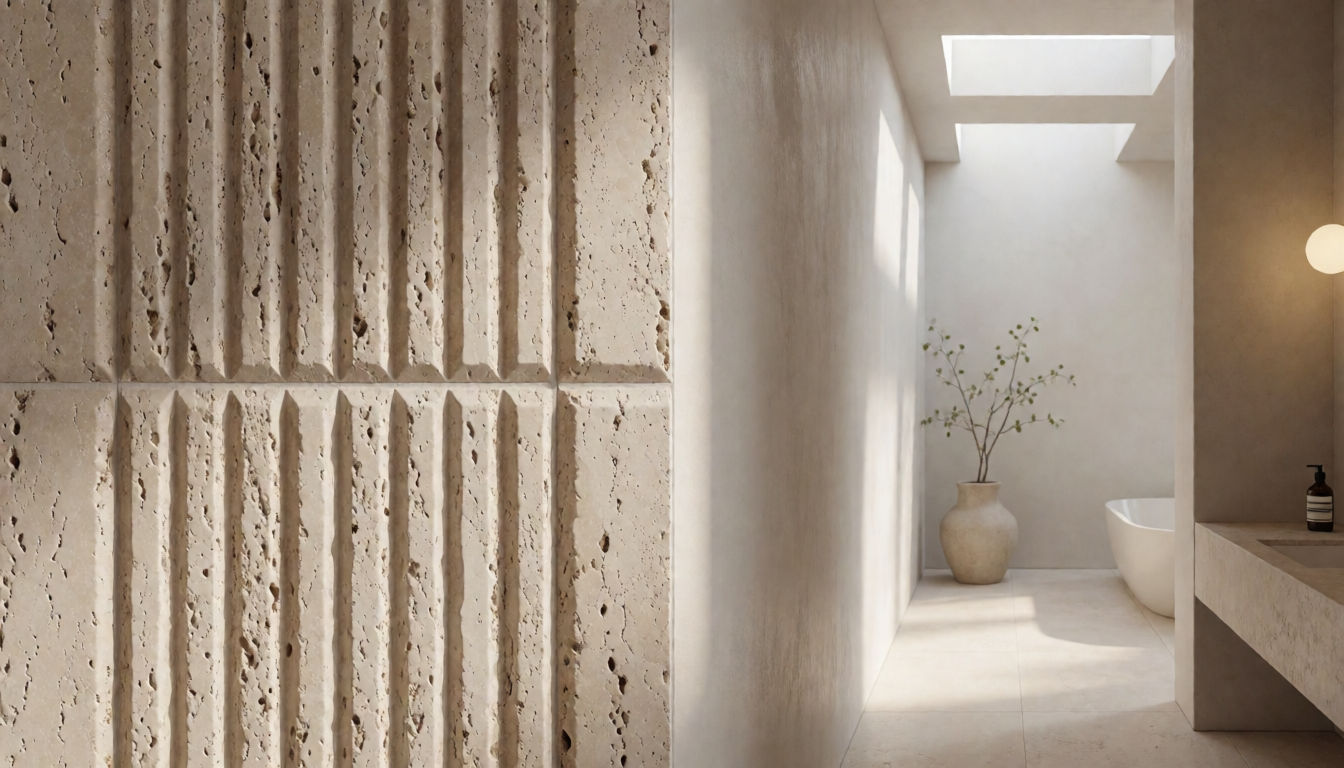
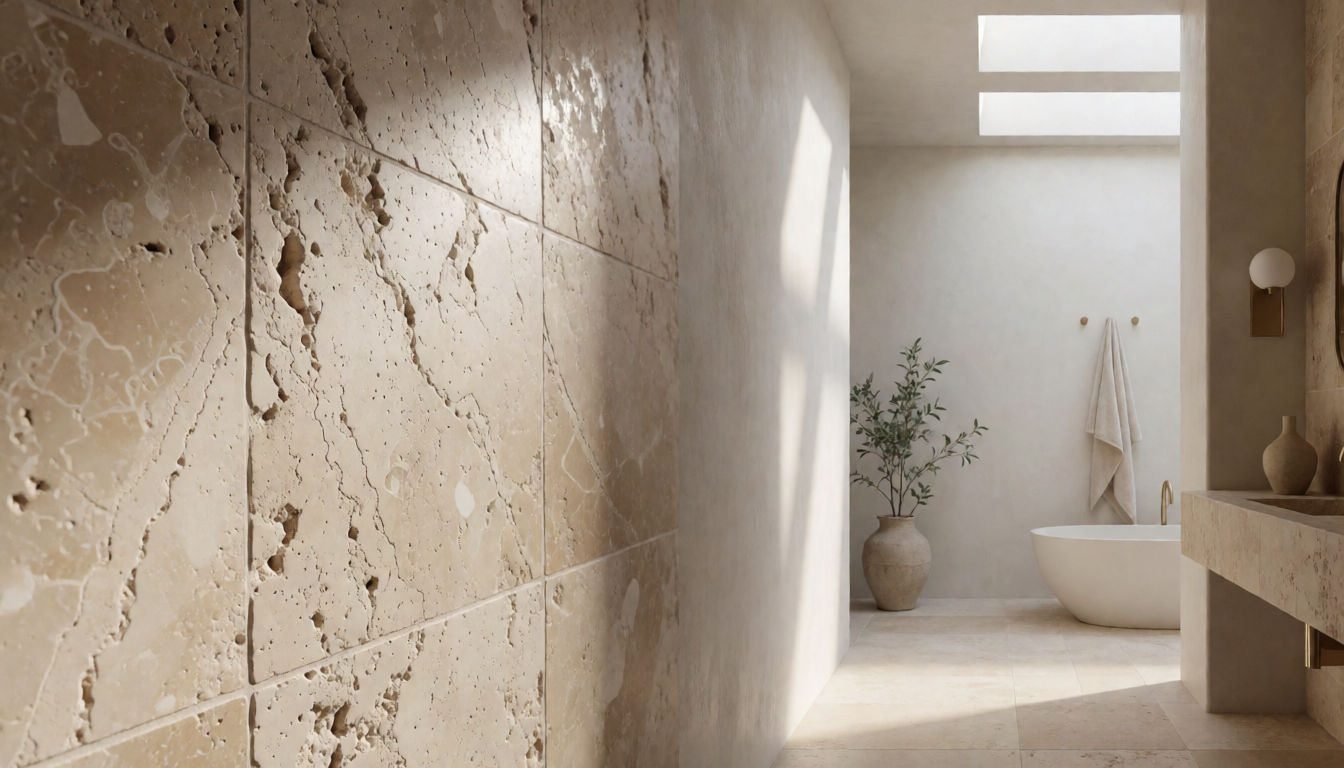
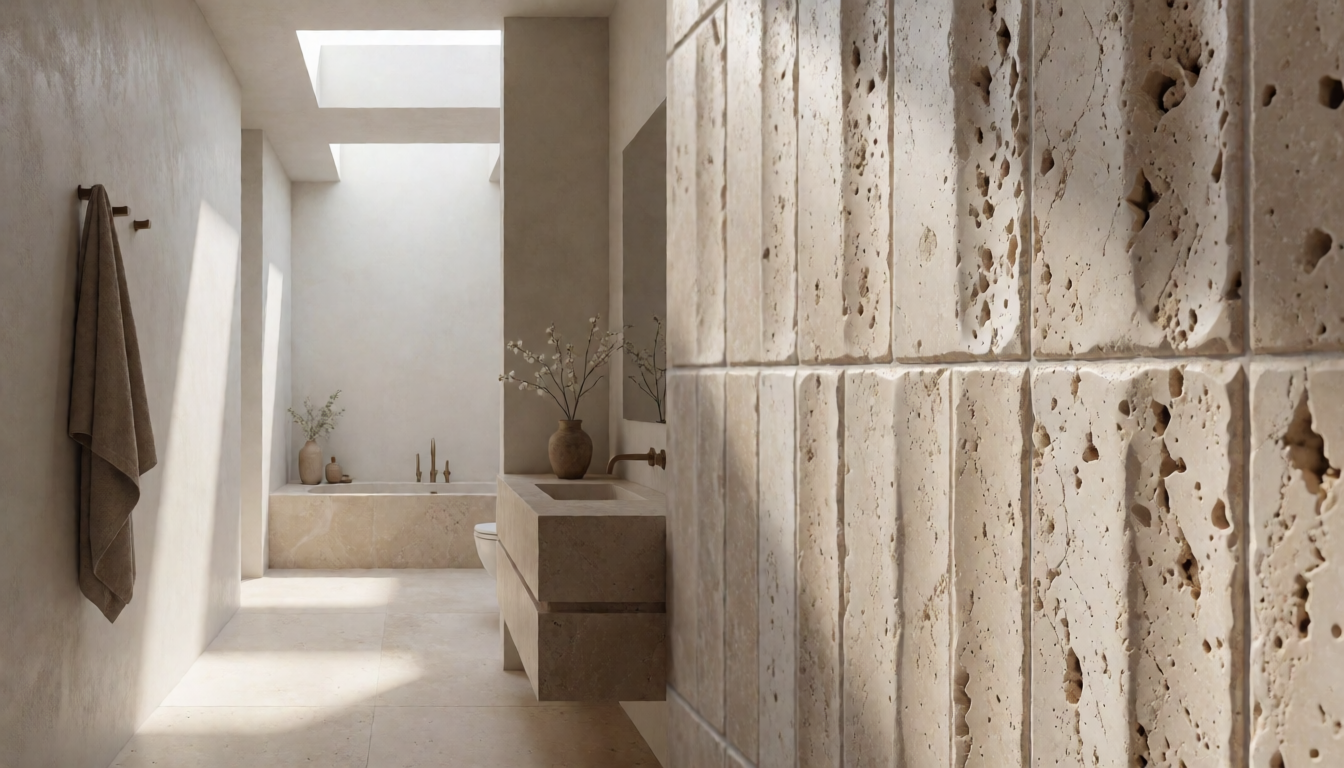
Calcareous stones — marble, limestone, travertine, and onyx — are composed primarily of calcium carbonate. This mineral structure makes them chemically reactive to acids. Even mild acids (vinegar, lemon juice, many common bathroom cleaners) trigger an etching reaction that permanently dulls the surface.
The Etching Mechanism
When an acid contacts a calcareous stone surface, it dissolves the calcium carbonate crystals at a microscopic level. The result is an etch mark — a dull, rough patch that cannot be wiped away. Unlike a stain (which sits in the pores), an etch is physical surface damage that requires mechanical re-polishing to repair.
Cleaning Protocol for Calcareous Stones
- Daily cleaning: pH-neutral stone soap only — no vinegar, no citrus cleaners, no “all-purpose” cleaners
- Sealing: Penetrating sealer every 6–12 months in residential use; every 6 months in commercial/high-traffic settings
- Spill response: Blot (don’t wipe) acidic spills immediately; follow with pH-neutral cleaner
Siliceous Stones: The Durable Alternative
Siliceous stones — granite, quartzite, slate, and basalt — are dominated by silica and quartz minerals. With a Mohs hardness of 6–7, they are far more resistant to both scratching and acid exposure. However, they are not indestructible.
Cleaning Protocol for Siliceous Stones
- Daily cleaning: pH-neutral cleaner is still preferred, but siliceous stones tolerate occasional use of mild alkaline cleaners
- Sealing: Recommended every 1–2 years for granite; quartzite may need sealing every 2–3 years depending on density
- Stain vulnerability: While acid-resistant, siliceous stones can still absorb oil-based stains if left unsealed
The Water Drop Test: Know When to Reseal
The most reliable way to determine whether a stone surface needs resealing is the water drop test:
- Pour a small amount of water (about a teaspoon) onto the stone surface
- Wait 15 minutes
- If the water beads on the surface, the seal is intact
- If the stone darkens around the water drop, the sealer has failed and resealing is required
Stain Removal: The Poultice Method
When a stain does penetrate the stone’s surface, poultice treatment is the professional standard. A poultice is a paste (typically made from baking soda or hydrated lime mixed with a solvent) that is spread over the stain, covered with plastic, and left for 24–48 hours. As the poultice dries, it draws the staining substance out of the stone’s pores.
Common Stain Types and Poultice Solvents
- Oil-based stains: Use a degreasing solvent (acetone or amyl acetate) as the poultice liquid
- Organic stains (coffee, wine, tea): Use hydrogen peroxide (3–12%) as the poultice liquid
- Iron stains: Use a rust-removal poultice (available from stone care suppliers)
Sealing vs. Etching: The Critical Distinction
A common misconception among stone owners: “sealing prevents etching.” This is false. A penetrating sealer protects against staining (liquid absorption) but does nothing to protect against etching (acid-surface chemical reaction). A sealed marble countertop will not stain, but it will still etch if exposed to lemon juice or vinegar.
Honed vs. Polished: The Maintenance Trade-off
For commercial applications and high-traffic residential spaces, honed finishes are often the smarter choice. A honed surface masks etch marks and light scratches far better than a high-polish surface, reducing the frequency of professional restoration. The trade-off: honed surfaces show oil stains more readily and require more frequent sealing.
Professional Maintenance Schedule for Commercial Stone Installations
For B2B specifiers managing large stone installations (hotel lobbies, office building lobbies, retail spaces), a documented maintenance schedule is essential:
- Daily: Dust mopping with untreated microfiber; pH-neutral damp mopping as needed
- Monthly: Deep clean with professional stone cleaner; inspect for etched or stained areas
- Every 6 months: Water drop test on all calcareous stone surfaces; reseal as needed
- Annually: Professional inspection and restoration as needed
Stone Care Products: What to Specify and What to Avoid
When specifying care products for a stone installation, avoid anything that contains: citric acid, vinegar, ammonia, or abrasive particles. Look for the “Safe for Natural Stone” label from recognized stone industry organizations. For commercial clients, providing a post-installation care manual prevents the most common maintenance failures.
Looking for premium natural stone products for your next project?
Explore Glady Stone’s collection of marble sinks, dining tables, and luxury stone décor — trusted by architects and designers worldwide.