Bringing a unique stone tub custom order from concept to production requires clear communication between you and your manufacturing partner. Whether you are sourcing for a Shopify dropshipping store, an interior design firm, or a white-label brand, ambiguity leads to delays and unexpected costs. A professional bathtub factory drawing is not just a sketch; it is the blueprint that dictates material usage, machining time, and final pricing. At Gladystone, we streamline this process by understanding exactly what data points are critical before cutting into our stone reserves. This guide outlines the essential specifications you must provide to ensure your custom bathtub design translates accurately from paper to polished reality without compromising quality or budget.
Detailed Technical Specifications for Your Sketches
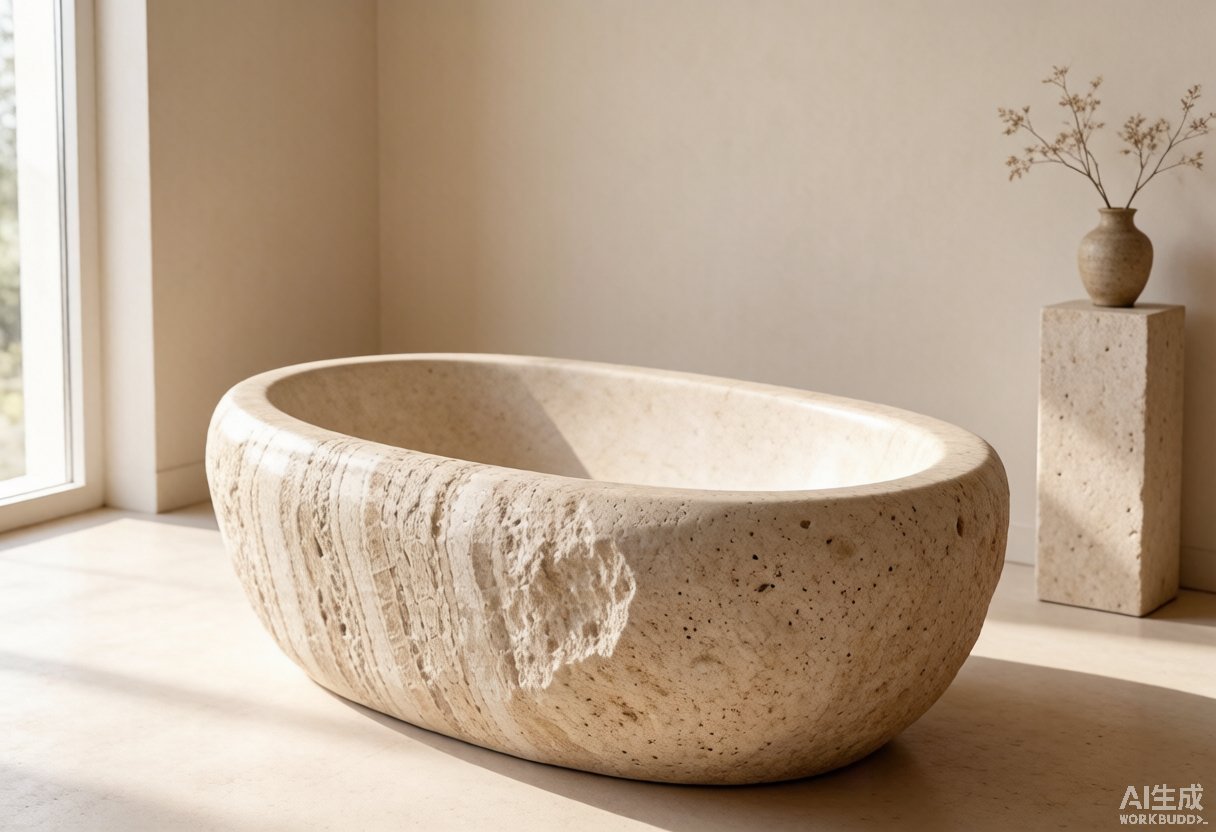
Your initial request often starts as a concept, but we need specific dimensions to begin quoting an accurate price range. When sending over a preliminary bathtub factory drawing, do not rely on vague terms like “large” or “standard.” We require exact measurements in centimeters and millimeters. For instance, a typical soaking tub might measure roughly 170cm x 85cm with a depth of around 45cm to 60cm depending on the model. If you are designing an oval freestanding stone tub custom order, specify if it needs extra thickness at the foot or head end for ergonomic comfort.
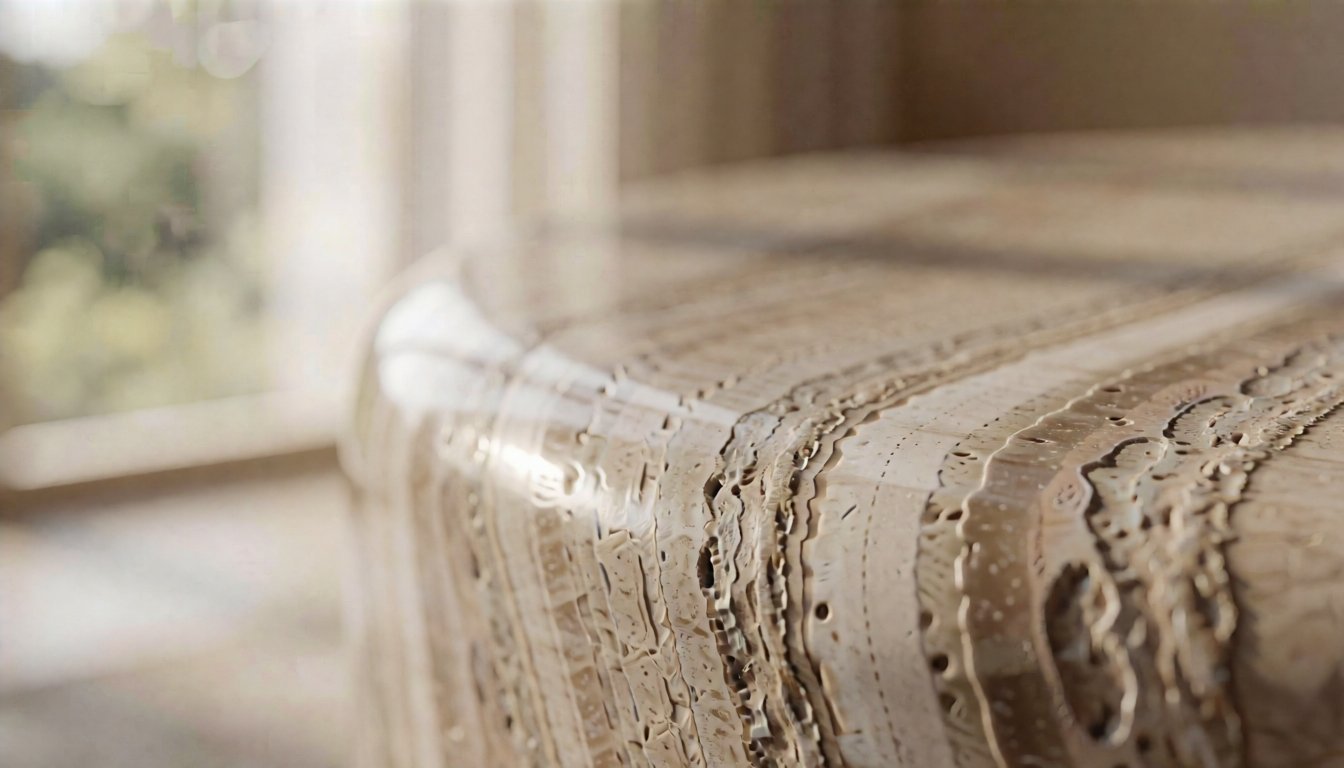
Weight is another critical factor often overlooked by buyers until production starts. A standard natural stone vanity top weighs roughly 35-45kg, but a full-sized bathtub can easily exceed 100kg depending on the density of the material and internal reinforcement layers. If your design involves unusual thicknesses or complex curves that require heavy structural support inside the basin wall, you must state this clearly. These factors directly impact shipping costs and warehouse storage requirements once we ship to your location in the US or EU. Providing a rough weight estimate helps us select the correct molds and calculate logistics fees accurately before any stone is quarried.
Material Selection and Finish Requirements
The choice of material significantly influences both cost and durability, so define this early in the process. Most high-end custom bathtubs are made from natural marble, granite, or quartz composite. If you request a stone tub custom order, specify whether you want pure natural stone (which requires sealing) or engineered stone with built-in pigments that do not need resealing after installation. Engineered options often have slightly lower lead times than carving massive blocks of solid rock because we can use pre-mixed slabs rather than drilling from raw boulders.
Finish quality is equally important for your brand’s reputation. Ask specifically about the polishing grade you require: high-gloss, satin-matte, or honed? Some buyers prefer a textured finish to prevent slipping in wet areas; others want a mirror-like surface that looks like liquid water inside the basin. These surface treatments add time to the manufacturing cycle. For example, achieving a flawless white marble look on an exterior might take three days of grinding and polishing per side, whereas a dark granite can be finished slightly faster due to its natural grain masking minor scratches. Be prepared for these nuances when negotiating your final unit price with us at Gladystone.
Structural Reinforcement and Internal Geometry
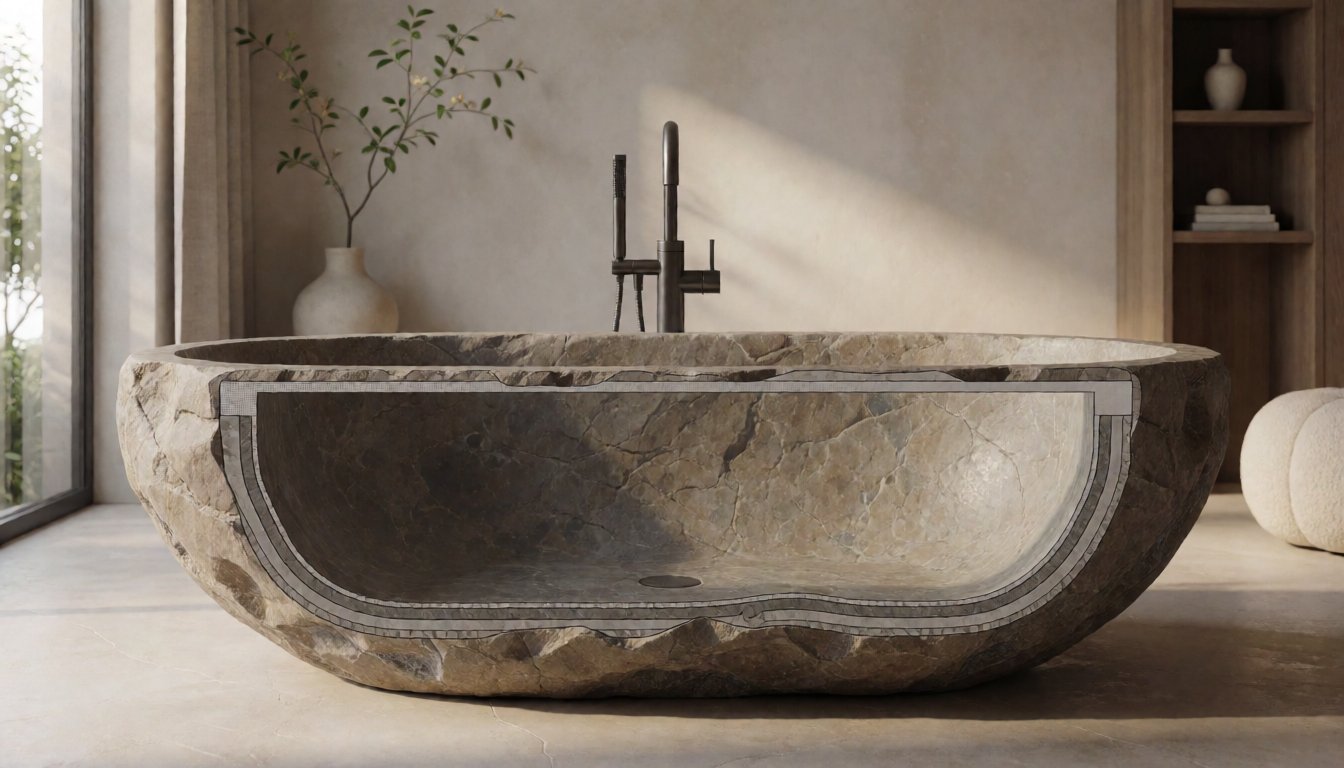
A common point of failure in custom projects is the internal structure hidden beneath the visible stone layer. A standard bathtub relies on a simple steel frame, but complex custom bathtub design elements like deep aprons or sculpted backrests require additional reinforcement to prevent cracking under thermal stress from hot water or the weight of an adult sitting on the rim. You must specify if you need internal stainless steel mesh backing or wooden frames embedded within the stone during curing.
If your drawing includes a built-in shelf, faucet hole placement, or overflow drain that deviates from standard positions (usually located at 15cm-20cm below the rim), inform us immediately. Moving these components changes how we cut and seal the basin walls. Standard drainage holes weigh roughly 0.5kg of added metal hardware; moving them to an odd angle requires custom fabrication which increases lead time by several days. Always mark all plumbing connections on your technical sketches clearly, including valve diameter (usually 1/2 inch or G3/4) and P-trap orientation. Ignoring these mechanical details can result in leaks that ruin the stone finish months after installation.
Lead Time Expectations and Production Phases
Understanding the timeline is vital for planning your inventory stock levels. A typical lead time for a natural stone bathtub ranges from 25 to 40 days depending on material availability and complexity of the mold used. If you order a bathtub factory drawing based project with multiple color variations or special inlays, expect this window to extend by another week or two because we must source specific pigment powders for quartz composites separately.
The production process moves through several distinct stages: slab selection, CNC cutting, hand-carving of curves, internal curing (which takes 48-72 hours), edge polishing, and final quality inspection. Rushing the curing phase weakens the stone structure permanently; never ask us to skip these steps for faster delivery unless you accept a high risk of breakage during transit. We recommend ordering your first batch at least one month before peak shopping seasons like Black Friday or Christmas to buffer against minor delays in raw material shipping from quarries overseas. Clear communication about your deadline allows us to schedule the most efficient production slot available on our factory floor without compromising craftsmanship standards.