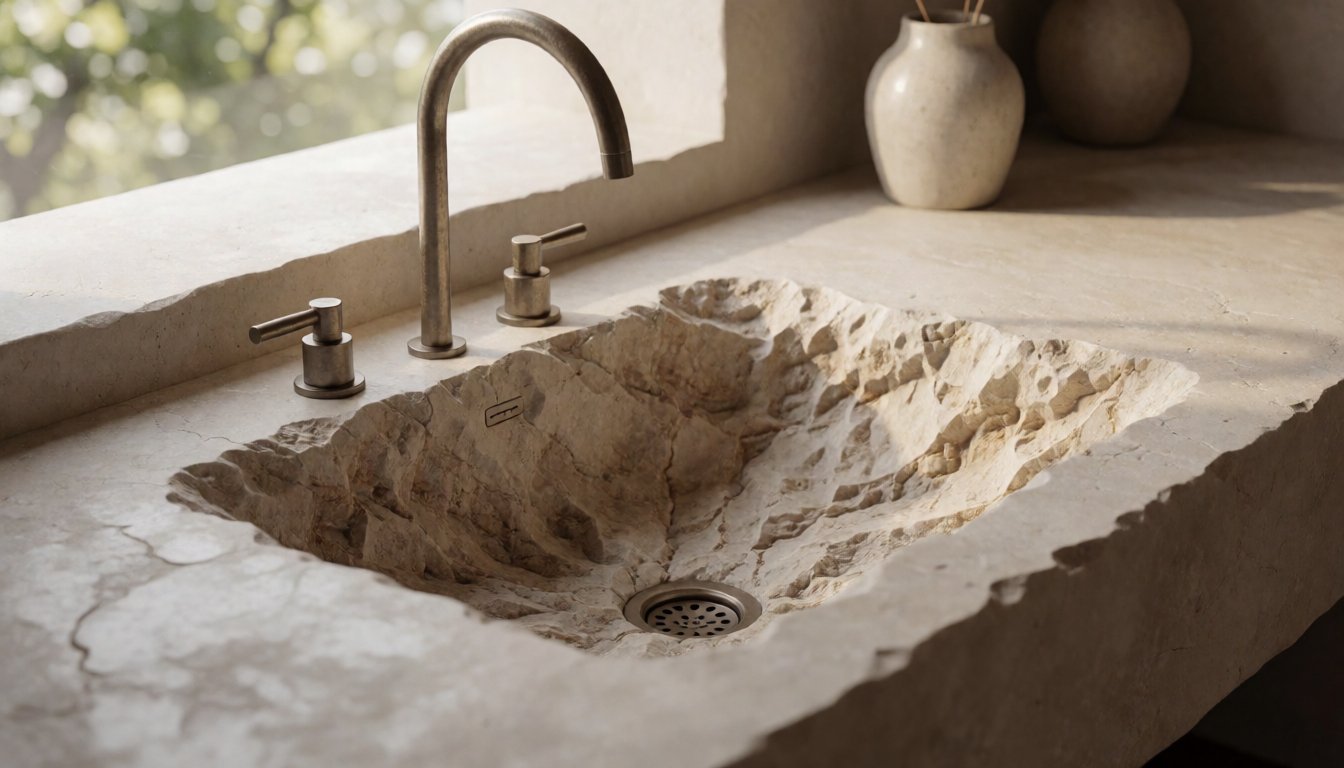
Selecting a stone sink supplier for your dropshipping store or interior design line requires more than just checking Instagram photos of beautiful basins. You need to understand the hard limits of manufacturing before you commit to an order that could cost thousands in rework fees. Many buyers assume “custom” means unlimited freedom, but reality is dictated by mold technology and material physics. At Gladystone, we see this confusion daily when clients request shapes our injection molds simply cannot produce or where stone density makes a specific design impossible without structural failure. Understanding these boundaries upfront saves time and ensures your custom basin design matches the factory capabilities of your chosen partner.
The Reality of Mold Geometry
When you ask for custom stone sink shapes, you are technically asking about mold geometry, not just artistic preference. Most high-quality basins start with a fiberglass or resin master model that is then used to create metal molds for casting natural stone like quartz or soapstone. These molds have physical limits based on draft angles and core complexity.
A common request we receive involves deep undermount bowls combined with extremely sharp, 90-degree interior corners. While this looks stunning in a CAD file, it often fails during the demolding process unless expensive multi-part injection molding is used instead of standard drop-in molds. Standard molds typically require draft angles of at least one to two degrees on all vertical walls for safe release without damaging the stone or tearing the core.
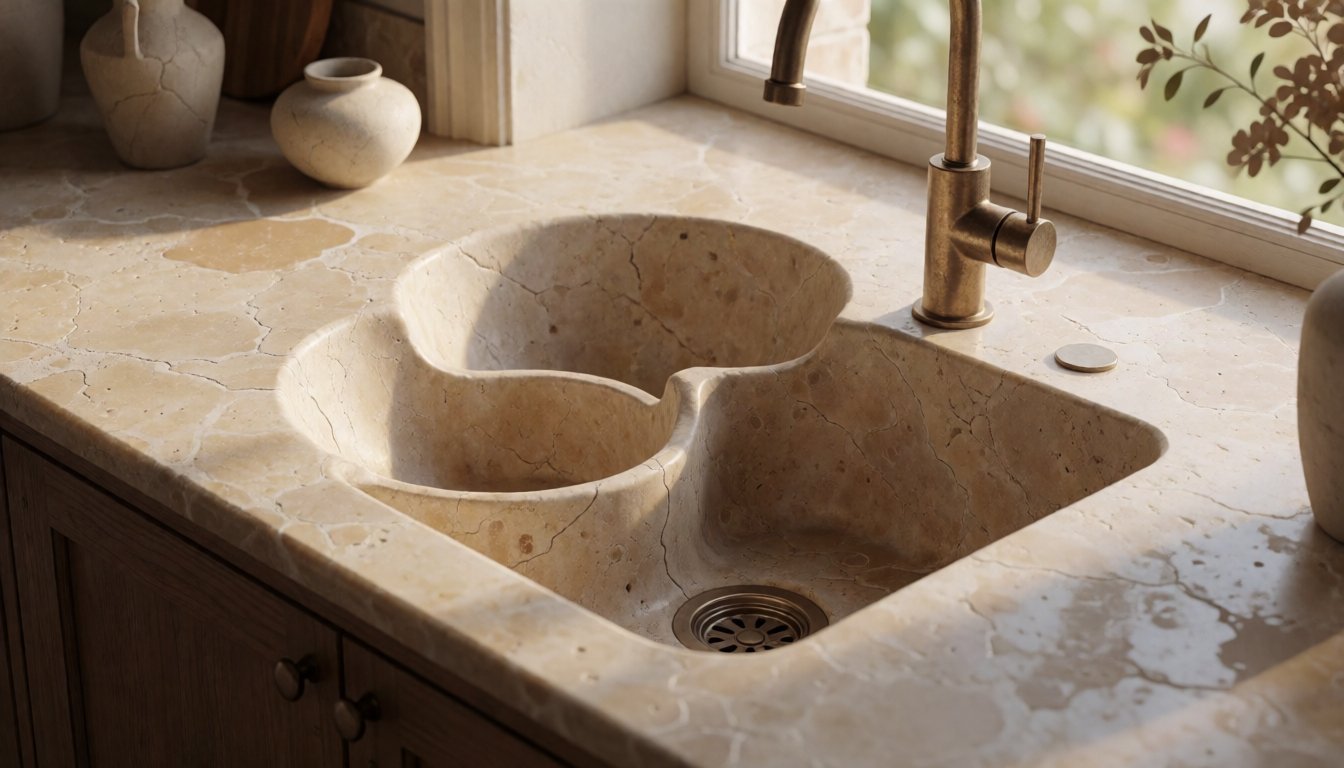
For instance, if you need an undermount sink with a depth exceeding 25cm and complex internal curves, we can produce it using our specialized large-format injection presses capable of handling molds weighing over 10 tons. However, this increases your mold cost significantly, often pushing the initial tooling fee from $3,000 to upwards of $8,000 depending on the number of cavity inserts required. Buyers should verify with their supplier whether they can replicate a specific curve using our standard inventory molds rather than creating an entirely new one immediately.
Structural Limits and Material Weight
The shape is only half the equation; material weight dictates what you can actually ship safely to your customers in the US or EU. Natural stone basins, even when resin-reinforced with quartz content, are heavy objects. A standard 48×36 inch undermount sink typically weighs between 120kg and 150kg depending on thickness (usually 18mm).
If your custom basin design involves a massive overhang or an unusually thick rim to hide the drain hole—adding another layer of stone above the waterline—the weight can easily exceed 160kg. This impacts shipping costs drastically because carriers charge by both volume and actual weight, whichever is higher. Furthermore, excessive thickness creates internal stress points during installation that standard plumbing cuts might not relieve properly.
When requesting custom stone sink shapes, always ask your factory about the maximum recommended depth for a specific hole cut diameter. For example, pushing an 8-inch drain opening into a bowl deeper than 25cm often leads to cracking during the curing phase or causes long-term stress fractures after installation. We typically advise keeping undermount depths between 18 and 26 cm unless you are willing to pay for reinforced internal steel grids embedded within the stone mix, which adds roughly $30-$50 per unit in material costs but prevents breakage claims from your end customers.
Production Speed vs. Custom Tooling
Time is money in dropshipping models where inventory turnover depends on speed of fulfillment. A major misconception among buyers is that a custom basin design automatically means long lead times. This isn’t always true; it depends entirely on whether the factory uses existing molds or needs to build new ones from scratch.
If you want a shape similar to one already in our catalog, we can often modify colors (adding pigment powder) or slightly alter rim profiles using adjustable mold inserts without rebuilding the entire tooling set. These adjustments usually add only 5 to 10 days to your production schedule and might increase the unit price by $2-$4 per sink depending on volume.
However, if you require a totally new silhouette—such as an asymmetrical farmhouse apron front with unique handle cutouts—we must build fresh steel molds. Our standard lead time for custom tooling ranges from 30 to 45 days once approved drawings and deposit are received. After mold completion, the initial production run takes another 10-12 days before packaging and shipping begins.
For wholesalers looking at MOQs (Minimum Order Quantities), remember that running a single cavity on a new custom mold is inefficient for small batches like 10 pieces; it might take two weeks just to produce enough stock to fill one container slot meaningfully. For larger orders of 50+ units, we can run multi-cavity molds simultaneously, reducing the per-unit cost by roughly $8-$12 but requiring a higher initial commitment from you regarding total order quantity or monthly purchase agreements.
What You Must Check Before Ordering
Before sending your drawings to any stone sink factory, perform these three checks to avoid costly delays:
- Verify Wall Thickness: Ensure minimum wall thickness is at least 8mm for standard quartz mixes; thinner areas will chip during installation and shipping drops from trucks. Ask the supplier if they can reinforce specific weak points with additional resin layers without affecting aesthetics.
- Review Drain Hole Placement: Complex custom shapes often force non-standard drain locations. Confirm your factory has compatible overflow channels pre-installed in the mold core, as retrofitting these later adds 3-5 days to production and risks leaks if not aligned perfectly during casting.
- Confirm Surface Finish Matching: If you request a specific matte or honed finish alongside complex curves, ensure your supplier understands how texture application interacts with tight radii on custom shapes. Some finishes cannot be applied uniformly inside deep corners of intricate basins without leaving air bubbles or uneven gloss patterns that ruin the premium look buyers expect from European markets.
By understanding these practical constraints regarding mold geometry, structural weight limits, and production timelines, you can communicate effectively with Gladystone or any other manufacturer. This knowledge allows you to balance your desire for unique custom stone sink shapes with what is realistically possible within a B2B manufacturing environment.