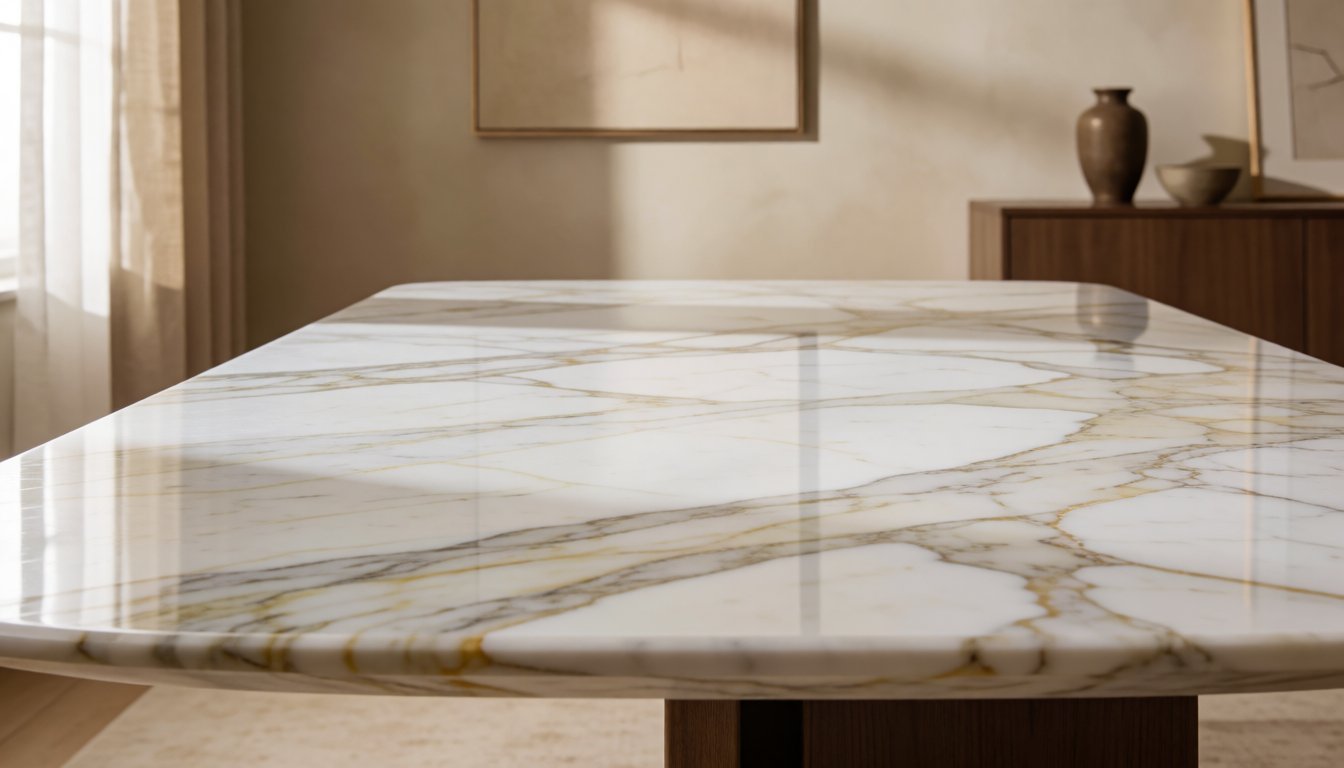
Running a stone furniture business means managing two distinct realities: the aesthetic appeal of your showroom inventory and the operational longevity of your own manufacturing workshop. At Gladystone, we spend our days polishing Calacatta marble, sealing quartzite countertops, and maintaining fireplaces that see heavy use. We know that the wrong chemical can turn a pristine slab into etched, stained, or dull material within minutes. For B2B buyers and importers like yourself, understanding these chemicals is not just about home maintenance; it is about product liability, warranty claims, and customer satisfaction. This guide breaks down exactly which daily cleaning agents are safe for natural stone surfaces and which ones will cost you money in replacements and reputation repair.
The Chemistry of Etching and Sealing Failure
To choose the right supply chain partners or educate your clients, you must understand how specific chemicals react with stone. Natural stone is primarily composed of calcium carbonate (marble, limestone) or silica (granite, quartzite). These materials have different tolerances, but they share a common enemy: high pH levels and acidic compounds.
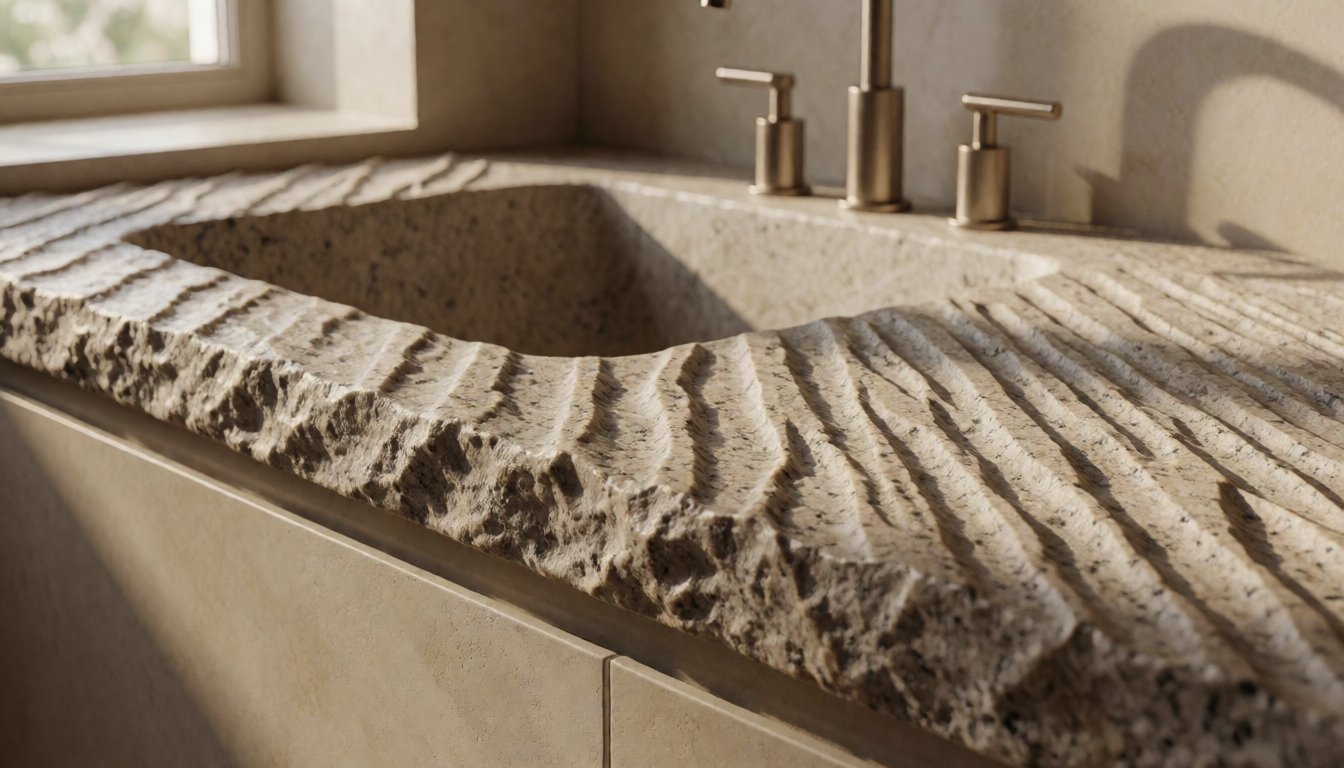
A pH neutral stone cleaner is the industry standard for daily maintenance. If you look at our own production lines, we test every batch of sealant and polish against standard cleaning agents to ensure compatibility. However, even with high-quality sealing, daily exposure to harsh substances degrades the protective layer over time.
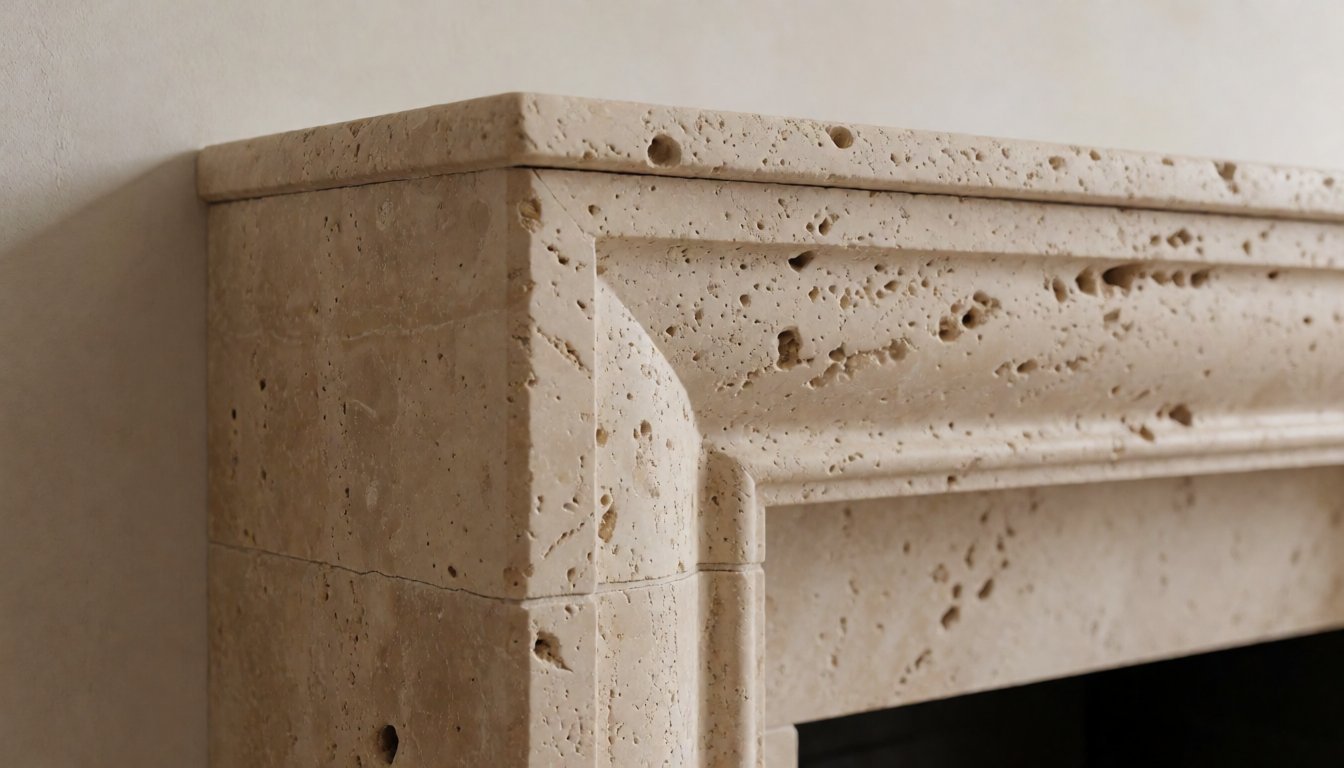
Acids are the primary culprit behind etching. Vinegar, lemon juice, and many generic all-purpose cleaners contain citric or acetic acid. When these hit marble or travertine, they react chemically, dissolving the calcium carbonate on the surface. This creates dull spots that look like scratches but are actually chemical burns. You cannot polish an etched spot back to life; you must replace the slab. For a dropshipper selling stone vanities or dining tables, this is a direct hit to your margins.
Similarly, high alkalinity causes problems. Ammonia and bleach (sodium hypochlorite) are often found in heavy-duty cleaners. While they might not etch immediately, they strip wax finishes and degrade polymer-based sealants. Over time, this leaves the stone porous and vulnerable to staining from water or oils. When a customer brings back a stained granite table thinking you sold them a defective product, the root cause is often a cleaner that was too alkaline for their specific finish.
Recommended Cleaning Protocols for Stone Surfaces
When sourcing cleaning supplies for your clients or stocking your own office space, look for products explicitly labeled as safe for natural stone. We at Gladystone recommend using solutions with a pH level between 6 and 8. Anything below 6 risks etching; anything above 8 risks sealing failure.
For daily dusting and light spills, a microfiber cloth dampened with distilled water is often sufficient. Distilled water is preferred because tap water contains minerals that can leave white rings on polished surfaces if the water evaporates before wiping. If your clients need a liquid cleaner, ensure it is pH neutral. These products typically cost roughly $5–$15 per gallon in bulk but prevent costly slab replacements.
For tougher stains like coffee or wine, a mild solution of warm water and a few drops of dish soap (neutral pH) works well. Avoid scrubbing pads with stiff bristles; the friction alone can scratch soft stones like marble even without chemicals. Use a soft sponge or a non-abrasive cloth. If you are stocking cleaning kits for your wholesale customers, include a microfiber mop head and a bottle of natural stone cleaning products designed for high-traffic areas.
Critical Ingredients to Avoid in Your Inventory List
Not all “stone safe” labels are created equal. As an importer or wholesaler, you must read the ingredient list beyond the front-of-pack marketing claims. Here are specific ingredients that should trigger a rejection of a product batch if they appear prominently.
First, look for ammonium hydroxide or ammonia derivatives. These are common in glass cleaners and bathroom sprays. They strip sealants quickly. Second, avoid products containing phosphoric acid, often found in rust removers or heavy-duty degreasers. Third, steer clear of abrasive powders like pumice or silica sand unless the product is specifically designed for honing rough-cut stone, not polishing finished pieces.
Even “natural” cleaners can be risky if they rely on essential oils with high acidity, such as lemon or orange oil, without proper buffering agents. Citrus-based cleaners often market themselves as green and safe, but the citric acid content can etch marble within hours of contact. Always verify the manufacturer’s compatibility data sheet before listing a product in your store or sending it to an interior designer client.
Sourcing Reliable Cleaning Solutions for Your Brand
When you are looking to supply cleaning products alongside your stone furniture, vetting the supplier is as critical as vetting the stone itself. Ask potential partners for their Technical Data Sheets (TDS). These documents will list the exact pH range and surfactant types used. Do not rely on marketing copy alone.
Consider the packaging logistics. For B2B distribution, concentrated liquid refills are often more economical than pre-mixed bottles. A typical industrial jug might hold 5 gallons (approx. 18.9 liters), weighing roughly 10–12 kg depending on concentration. Lead times for standard cleaning chemicals usually range from 7 to 14 days if ordering from established manufacturers in the US or EU. If sourcing from Asia, factor in shipping time and customs clearance, which can add another 2–4 weeks.
For dropshippers, offering a dedicated “Stone Care Kit” adds value to your furniture orders. A simple kit might include:
* One pH neutral stone cleaner (approx. 500ml bottle).
* Two microfiber cloths for dusting.
* One sealant spray for touch-ups.
* A printed guide on what to avoid.
This kit costs roughly $10–$20 in bulk but can increase your average order value and reduce post-purchase support tickets regarding staining. Remember that educating your end-user is part of the service you provide. When a client knows exactly how to care for their new vanity or fireplace, they are less likely to damage it and more likely to refer your business.
By sticking to pH neutral stone cleaner standards and avoiding acidic or alkaline extremes, you protect both your own production floor and your customers’ investments. At Gladystone, we build durable stone; now it is up to the industry to ensure that durability isn’t undone by daily care choices.