A 2026 stone dropshipping margin model tracks net contribution—retail price minus product, freight, processing, returns provision, and ad cost—so you price for profit after acquisition, not before. The target is a sustainable 20–50% net band for a branded niche.
Why Margin Model Before Marketing
Most failed dropshippers scale SKUs they never costed. Build the model first: list every line, then set price so net contribution stays positive after your real cost-per-acquisition (CPA). If pre-ad contribution is smaller than any realistic CPA, the SKU cannot be scaled profitably.
- Product cost (supplier price)
- Freight to customer
- Processing (2.9% + $0.30 typical)
- Returns provision (return rate × item cost)
- Ad CPA (the cap on spend)
Natural stone dropshipping in 2026 rewards sellers who treat the model as a branded business, not a shortcut: net contribution—the retail price minus product, shipping, processing, returns provision, and pre-ad acquisition cost—is the number that keeps you solvent, and it caps every ad dollar you spend. Because stone is fragile and freight-heavy, a vetted domestic or near-port supplier that ships in 3–7 days does more for margin than any storefront tweak, while accurate photography and honest lead-time statements cut the returns that otherwise erase contribution. The structural upgrade path is clear: validate demand with dropship, then move winning SKUs to a 3PL or your own bonded inventory to lift landed cost and protect the 20–50% margin band that generic marketplaces cannot reach.
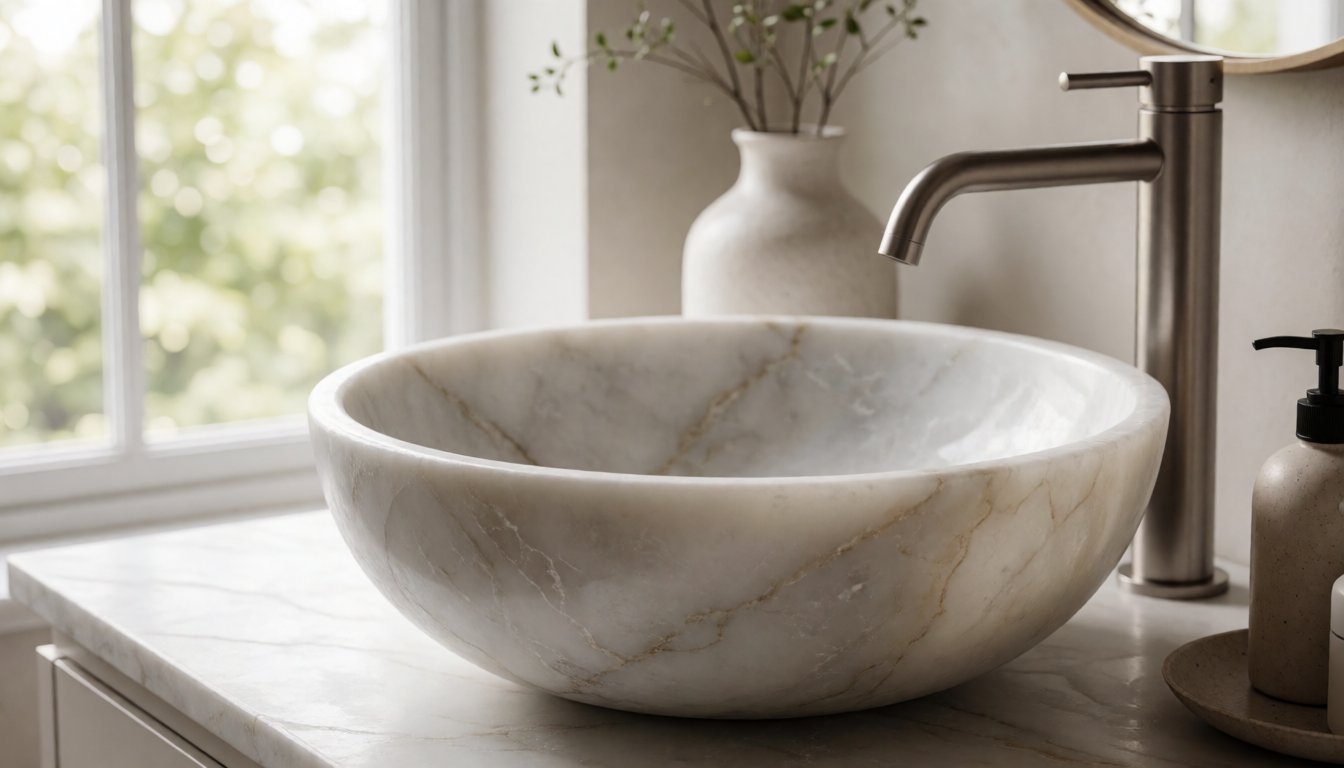
Worked Example: $120 Marble Vessel
| Line | Amount |
|---|---|
| Retail price | $120.00 |
| Product cost | $38.00 |
| Freight | $9.00 |
| Processing | $3.78 |
| Returns (4%) | $4.80 |
| Ad CPA | $35.00 |
| Net / order | $29.42 |
Seven Levers to Raise Net Margin
| Lever | Effect |
|---|---|
| Raise AOV (bundles) | Spreads fixed fees |
| Lower landed cost | Direct/near-port supplier |
| Cut return rate | Accurate photos + specs |
| Defend ad ceiling | Better creative/targeting |
| Niche down | Less price competition |
| Annual Shopify plan | Lower card rate |
| Right-size apps | Lower per-order fee |
From Dropship to Private Label
Once a SKU proves demand, move it to a 3PL or your own inventory, or partner with a stone OEM for private label. That shift is what lifts net margin from the 10–15% open-marketplace band toward 20–50%. Tie the model to your full dropshipping playbook and your SKU shortlist.
Frequently Asked Questions
What is net contribution in stone dropshipping?
Retail price minus product, freight, processing, returns provision, and pre-ad acquisition cost. It caps how much you can spend on ads and stay solvent.
What net margin should I target in 2026?
A branded stone niche should target 20–50% net; below 15% after all costs is hard to scale profitably.
How do I lower landed cost?
Source from a direct or near-port supplier, negotiate volume pricing, and consolidate into 3PL warehouses close to your market.
Why do returns hurt margin so much?
Returns reverse the sale and add restock/refund friction; accurate photos and honest specs are the cheapest fix.
When should I switch to private label?
After a SKU shows repeat demand—move it to 3PL or OEM private label to protect the higher margin band.
Glady Stone: Margin-Friendly Stone Supply
Glady Stone supports dropship and private-label stone programs with consistent batches and ASTM/EN-finished pieces.
Send your target price and volume to Glady Stone for a contribution-positive quote.
A 2026 stone dropshipping business lives or dies on net contribution: model every line, price for profit after acquisition cost, and negotiate better terms as volume grows.
More B2B Stone Buying Guides
- Shopify Dropshipping Natural Stone in 2026: The Complete Seller Playbook
- 10 Best-Selling Stone Dropshipping SKUs for Shopify Sellers in 2026
- Natural Stone Wholesale in 2026: MOQ, FOB/CIF & Batch Quality Control