Importing heavy natural stone furniture from China requires more than just comparing unit prices on a catalog sheet. Many buyers focus entirely on the cost per piece of marble or granite sinks, bathtubs, or dining tables, only to be blindsided by freight surcharges and packaging fees that double their landed expense. Stone furniture is not standard cargo; its density dictates how it moves through shipping containers and rail networks in China. At Gladystone, we see importers underestimate the complexity of moving 30cm thick stone slabs or custom fireplaces from our factory floor to a US warehouse door. Understanding these hidden variables separates profitable businesses from those who lose margin before they even sell their first unit.
The Weight Factor and Container Utilization
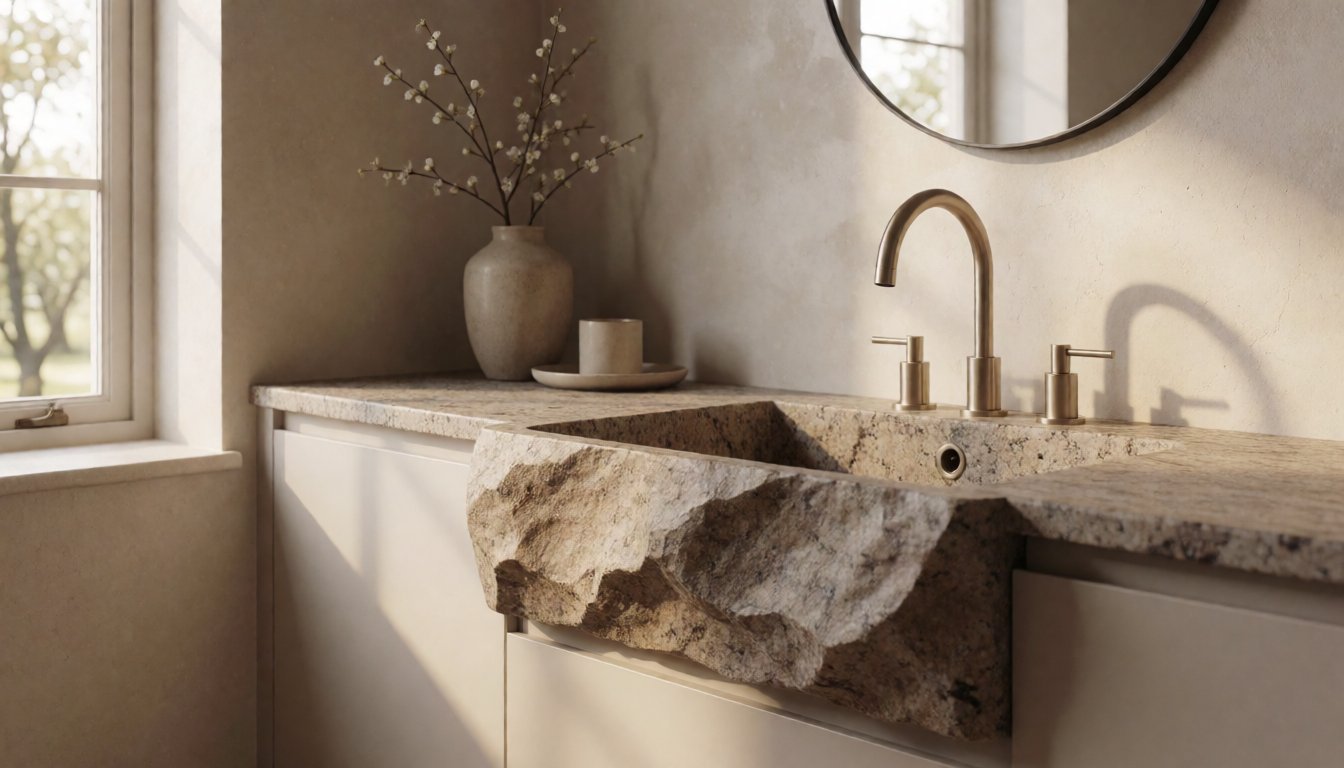
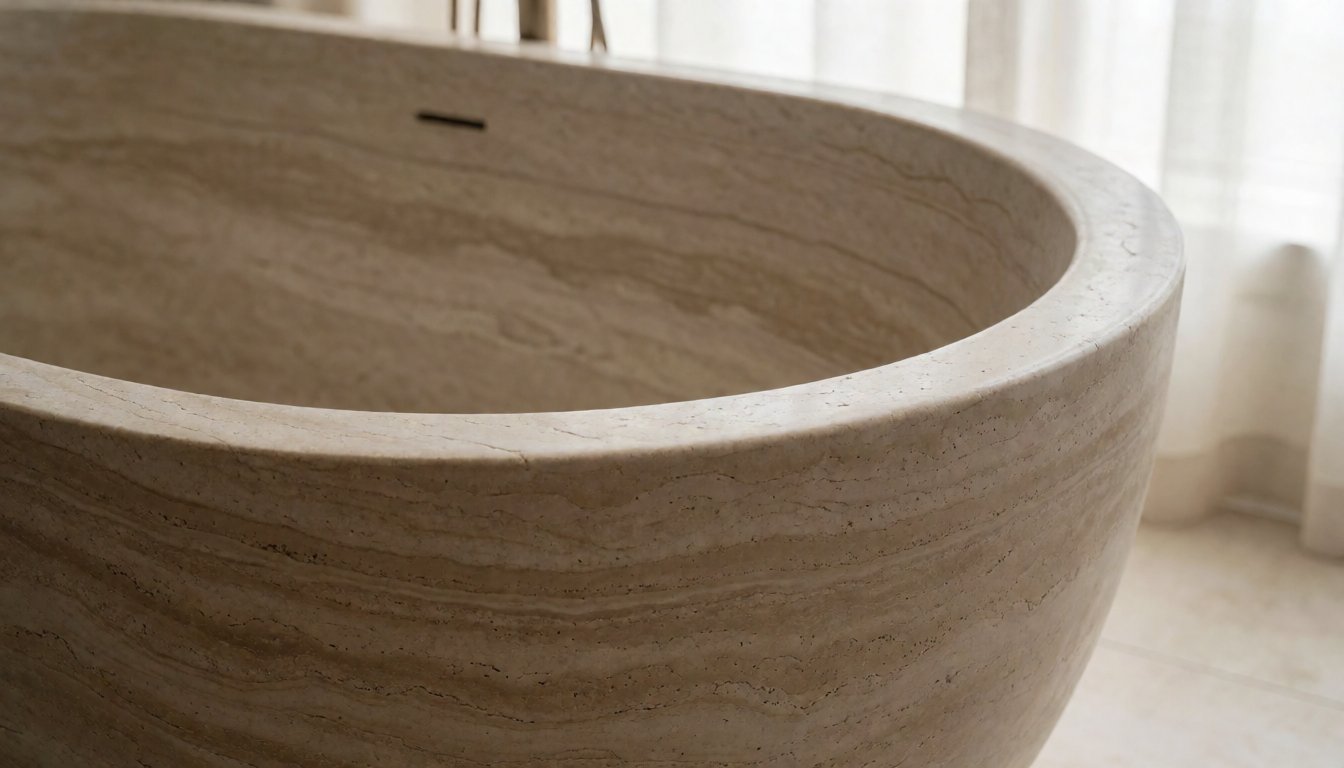
The primary driver of your stone furniture freight cost is simple physics: weight. Stone sinks, vanities, and tabletops are incredibly dense compared to wood or acrylic alternatives. A standard double-walled granite sink weighing roughly 40kg (88 lbs) takes up significant vertical space in a container but contributes little volume efficiency unless packed tightly. When you order custom stone bathtubs that weigh over 150kg each, the math changes drastically. If you load a full container with heavy items and leave empty air gaps, your shipping line charges for every kilogram of unused space or applies premium rates because they cannot consolidate other light goods into those voids.
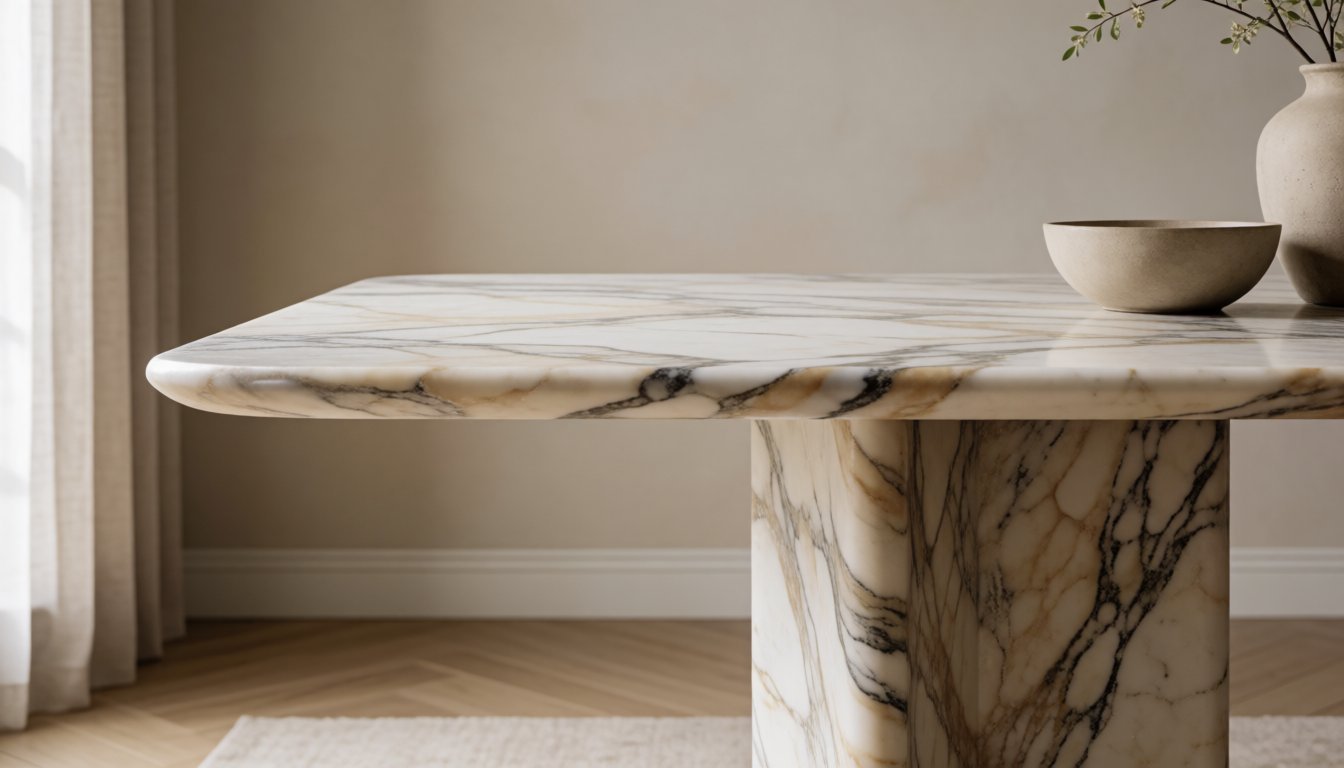
At Gladystone, we pack our stone dining tables and side tables in sizes ranging from 120cm to 360cm long depending on the design. A single large slab table can easily weigh between 80kg and 150kg based on thickness (usually 4cm) and material density. If you order ten of these high-end pieces, your container fill rate plummets because each piece occupies a massive footprint while being extremely heavy. This inefficiency raises the marble shipping cost per unit significantly compared to ordering lighter materials or smaller quantities that allow for better consolidation with other goods from different suppliers. Importers must calculate total CBM (cubic meters) against total weight strictly before placing an order.
Hidden Packaging Fees and Structural Risks
You will often see a line item labeled “packing cost” in your proforma invoice, but this number is frequently underestimated by buyers who assume standard cardboard boxes suffice for stone goods. Natural stone is brittle under impact; it cracks if dropped from even 30cm onto concrete during the loading process at Chinese ports or US docks. If you order a white-label fireplaces collection with complex internal shelving, the stone packing cost will be higher because we must use reinforced wooden crates with corner protectors and custom foam inserts to prevent movement inside the crate.
Cheap plastic wrapping is not enough for stone furniture destined for long ocean voyages or rail transport across China’s vast logistics network. We typically charge a premium per piece for heavy-duty fumigated wood packaging (MBL) which complies with international phytosanitary standards required by US Customs and EPA regulations. Buyers often miss that the packing cost includes labor-intensive processes like wrapping each sink in foam, securing custom bathtubs with steel strapping bands to prevent them from shifting during rough seas, and labeling crates clearly for fork-lift operators who may handle your cargo roughly at destination terminals.
How Volume Influences Your Landed Cost Per Unit
The relationship between order quantity and freight rates is non-linear when importing heavy stone goods. Ordering a full 40ft container of Gladystone vanities or dining tables usually results in the lowest landed cost per unit because you are spreading fixed shipping fees over hundreds of kilograms of product. However, small batch orders for boutique interior designers often face steep stone furniture freight cost penalties due to LCL (Less than Container Load) rates and remote port handling charges.
For example, a single custom bathtub order might incur $300 in basic packing materials alone before the container even leaves Shanghai. If you split that shipment with other goods from different factories to share space costs, your marble shipping cost per item drops significantly because you are utilizing shared transport infrastructure. Conversely, if every SKU (stock keeping unit) is unique and heavy—like a series of thick-edge dining tables or solid stone fireplaces—you cannot easily mix them into mixed-shipment containers without risking damage claims. Always ask Gladystone about our ability to combine lighter decorative items with heavier structural pieces to optimize container weight distribution before you finalize your shipping method.
Questions You Must Ask Before Shipping Confirmations Never Send a final payment until these logistics details are confirmed:
- Exact Weight and Dimensions: Do not accept vague descriptions like “heavy stone table.” Demand the exact net weight in kilograms for every specific model, including packaging materials if they add significant bulk.
- Packaging Materials Specification: Ask what wood is used (pine vs. fir), how many layers of foam are applied to sinks and bathtubs, and whether corner protectors match your export requirements. Standard cardboard boxes alone will not survive the journey for high-end stone decor items.
- Container Loading Plan: Request a visual loading plan showing exactly where heavy pieces like fireplaces go in relation to lighter side tables or vanities. Proper stacking prevents crushing damage during transit, which is critical when dealing with brittle materials like Carrara marble or granite slabs.