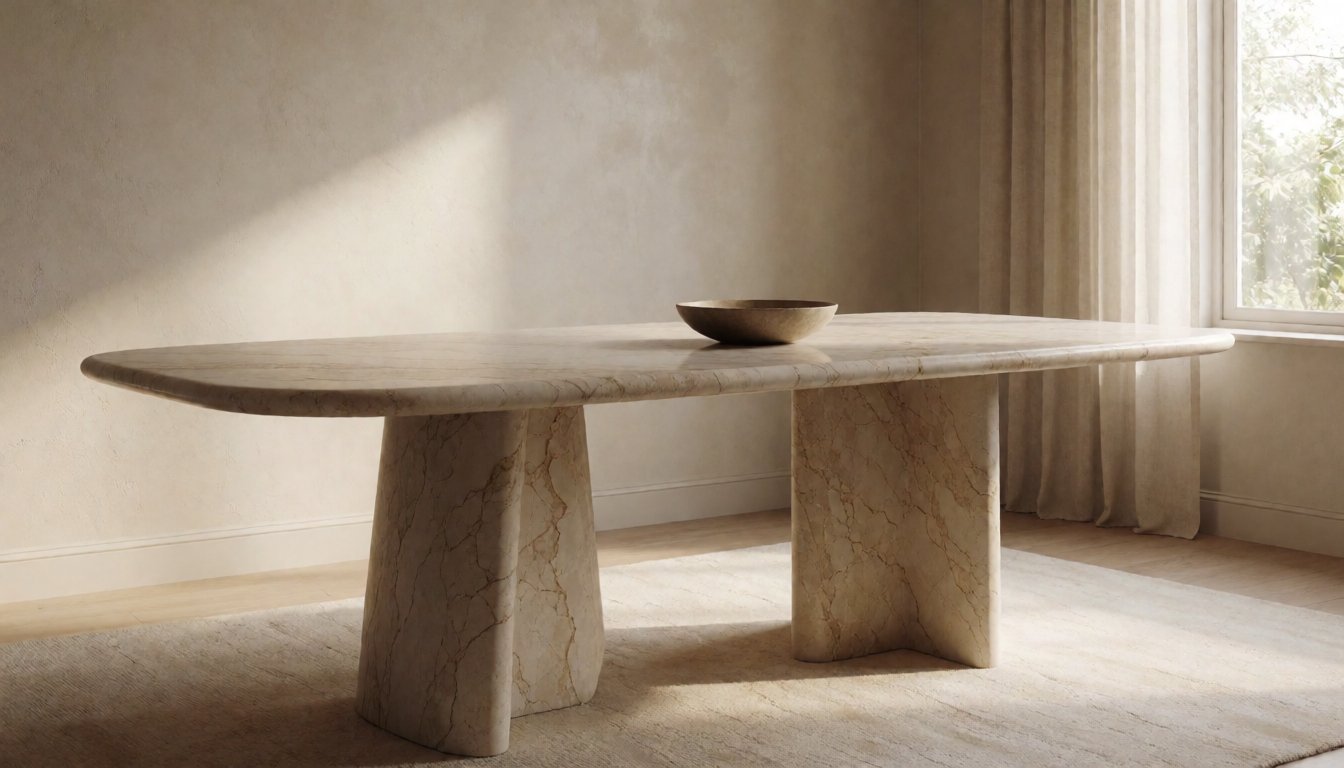
Sourcing natural stone furniture for your Shopify store or interior design projects often hits a wall when you need specific dimensions that don’t match standard catalog items. You are looking for a custom size marble table but fear the high minimum order quantities (MOQ) associated with stone fabrication. This is a common misconception in the B2B supply chain. At Gladystone, we specialize in bridging this gap for US and EU buyers who want unique designs without locking up capital in massive inventory shipments. Ordering natural stone does not require buying thousands of units to get started; however, it demands a strategic approach to sizing, material selection, and logistics planning to keep your costs predictable and your quality high.
Understanding the Realities of Small Batch Fabrication
The first step is managing expectations regarding production capacity for low-volume orders. Traditional stone quarries often reject small requests because setting up machinery for non-standard cuts eats into their margins significantly. However, a dedicated factory like Gladystone can handle small batch stone order workflows efficiently if you understand the constraints involved in cutting and polishing raw slabs.
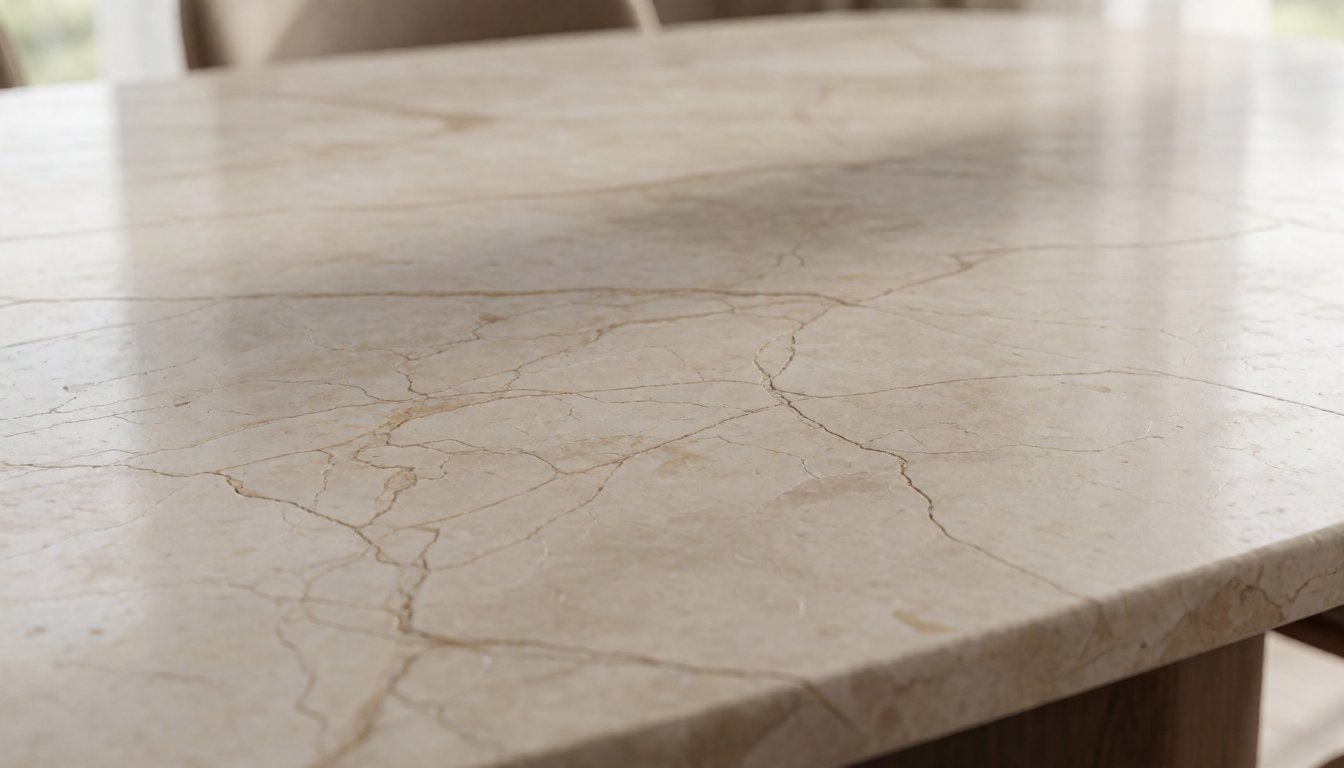
When requesting a specific length or width that is not off-cut friendly, expect to pay slightly more per square foot than for standard sizes. For example, while a 180cm x 90cm slab might be available from leftover inventory at $25–$35 USD per sq ft depending on the marble type, a custom cut of an unusual aspect ratio could push that price toward $40–$60 USD due to increased waste and machine setup time. The key is communicating your exact dimensions early so we can optimize our slab layout to minimize scrap before you even pay for it.
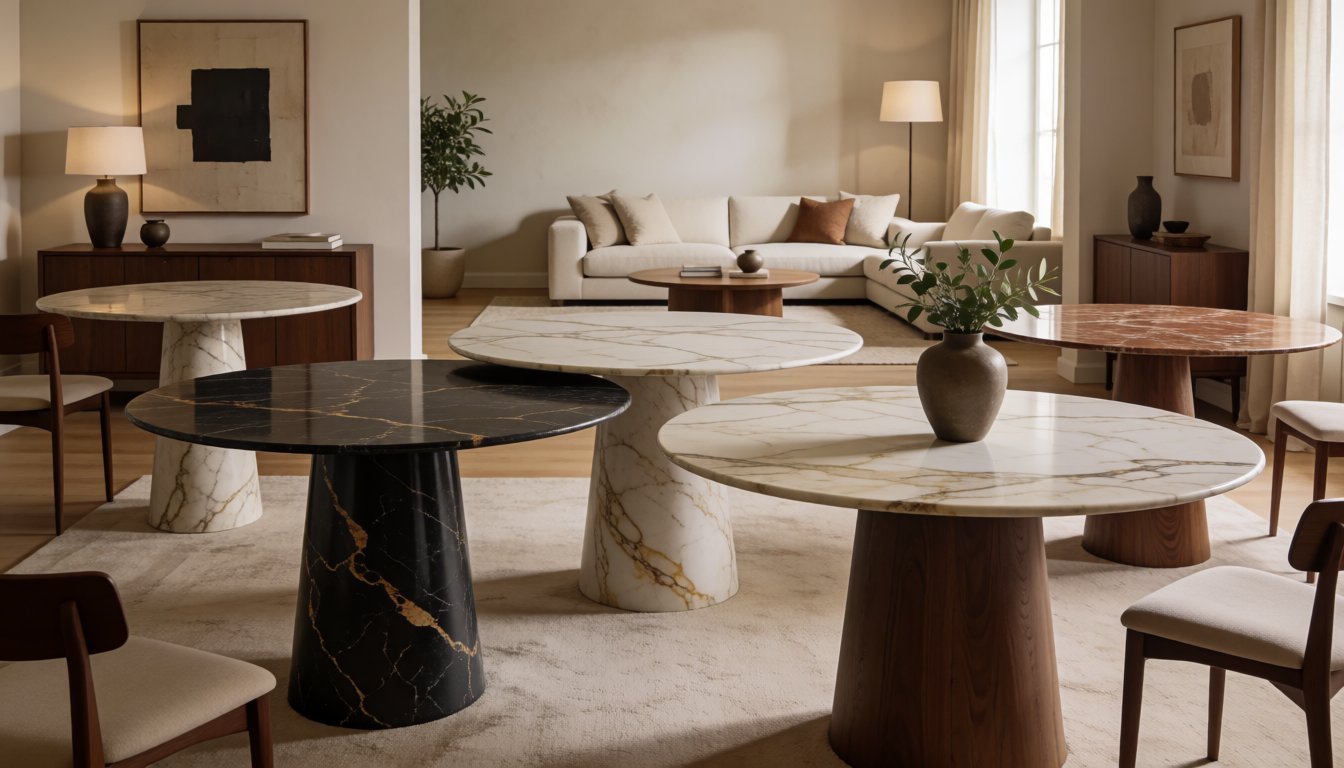
Most buyers find that ordering between 5 to 10 units of a specific design works well for maintaining cash flow while testing market demand. This quantity allows us to group production runs, share fabrication costs across multiple pieces, and negotiate better freight rates than if each piece were shipped individually as loose cargo. Always clarify whether your “small batch” request is per style or requires unique fabrications from raw blocks; the latter will naturally carry a higher premium but offers total design freedom for high-end white-label partners.
Critical Technical Specifications to Define Before Ordering
Before sending an RFQ (Request for Quotation), you must provide precise technical data. Vague descriptions like “a long table” lead to miscommunication and costly delays once materials are ordered from the quarry in China. You need to define the top thickness, edge profile complexity, and specific dimensions down to the millimeter.
Standard dining slab thicknesses typically range from 20mm to 3cm (1 inch). If you request a custom thickness outside these norms, such as an ultra-thin 15mm look or a heavy-duty 4cm solid block top for industrial clients, note that this adds significant cost and lead time. Similarly, the edge profile—whether it is a simple bullnose, a sharp waterfall, or a complex ogee curve—affects labor hours drastically. A simple polished edge might take 2–3 minutes per piece to finish manually or via CNC, whereas intricate carved edges can double that time and require higher skill levels from our artisans in Quanzhou.
Weight is another critical factor for logistics planning. A standard 180cm x 90cm marble slab weighs roughly 45–60kg (roughly 100–132 lbs) depending on density, while larger custom tables can exceed 100kg per top. If you are shipping to Europe or the US via sea freight, these weight specifications determine container stuffing efficiency and palletizing requirements. We will typically require a signed technical drawing from your side confirming exact measurements before we release materials for cutting. This protects both parties: it ensures you don’t pay for unusable stone cuts and assures us that our machinery is set up correctly to avoid rework charges later on.
Navigating Minimum Order Quantities and Pricing Tiers
The concept of a custom stone table MOQ varies wildly depending on whether the piece uses standard inventory or requires raw block extraction. Many suppliers quote an MOQ of 50 pieces for custom designs, but this is often designed to discourage small inquiries rather than reflecting actual manufacturing capability. At Gladystone, we structure our pricing tiers to support smaller brands and dropshippers who operate with lower margins.
For off-cut utilization projects where the customer accepts whatever dimensions result from slab optimization, you can often order as few as 2–3 units at a standard price point. However, true custom fabrication—where we cut raw blocks or large slabs specifically to your blueprint usually requires an MOQ of roughly 5 pieces per style/color combination. This threshold allows us to amortize the setup costs for our CNC routers and water jet cutting machines across multiple orders without pricing out smaller buyers.
Pricing typically scales with volume, but not in a linear fashion that favors massive bulk buys exclusively. For instance, ordering 10 units of a specific custom table might cost $X per unit, while ordering 50 drops the price to roughly $Y per unit due to consolidated shipping and reduced handling fees. It is better to run multiple small batches over time than to hold one large inventory that risks becoming obsolete if design trends shift or color preferences change in your target market (e.g., Calacatta Gold versus Statuario Venato). We can also lock in prices for a specific production window of 3–6 months, giving you stability against fluctuating raw stone costs from the quarries.
Managing Lead Times and Quality Control Prototypes
Lead times are the most variable component of natural stone procurement. Standard catalog items usually ship within 7–15 days after payment once materials are on hand in our warehouse. In contrast, a custom size marble table involving specific block cutting will take approximately 30–45 working days from deposit to completion. This includes quarry extraction time (if applicable), transportation to the factory yard, slab processing, edge finishing, and final quality inspection before packing for export.
To mitigate risks during this long lead cycle, we strongly recommend requesting a digital photo or video of the specific slab batch selected before full fabrication begins if possible, though our standard process involves using high-quality inventory stock that matches your color request closely. For critical projects where exact visual matching is non-negotiable, consider ordering one prototype unit first. This single piece serves as a quality check for edge precision, polishing depth, and veining patterns without committing to the full batch volume immediately. Once the prototype meets your standards, you can approve the remaining units in production with confidence that the final goods will match expectations.
Finally, packaging logistics are crucial for maintaining integrity during transit. Natural stone is brittle under specific stress points; improper packing causes cracks even if the slab was perfect at the factory. For custom small batches where every piece has unique dimensions, we use individual wooden crates reinforced with foam inserts tailored to each table’s shape rather than generic pallet loads of stacked slabs. This adds a few days to preparation but significantly reduces the risk of damage claims upon arrival in your destination country, protecting your reputation as an importer or dropshipper selling high-end home goods.