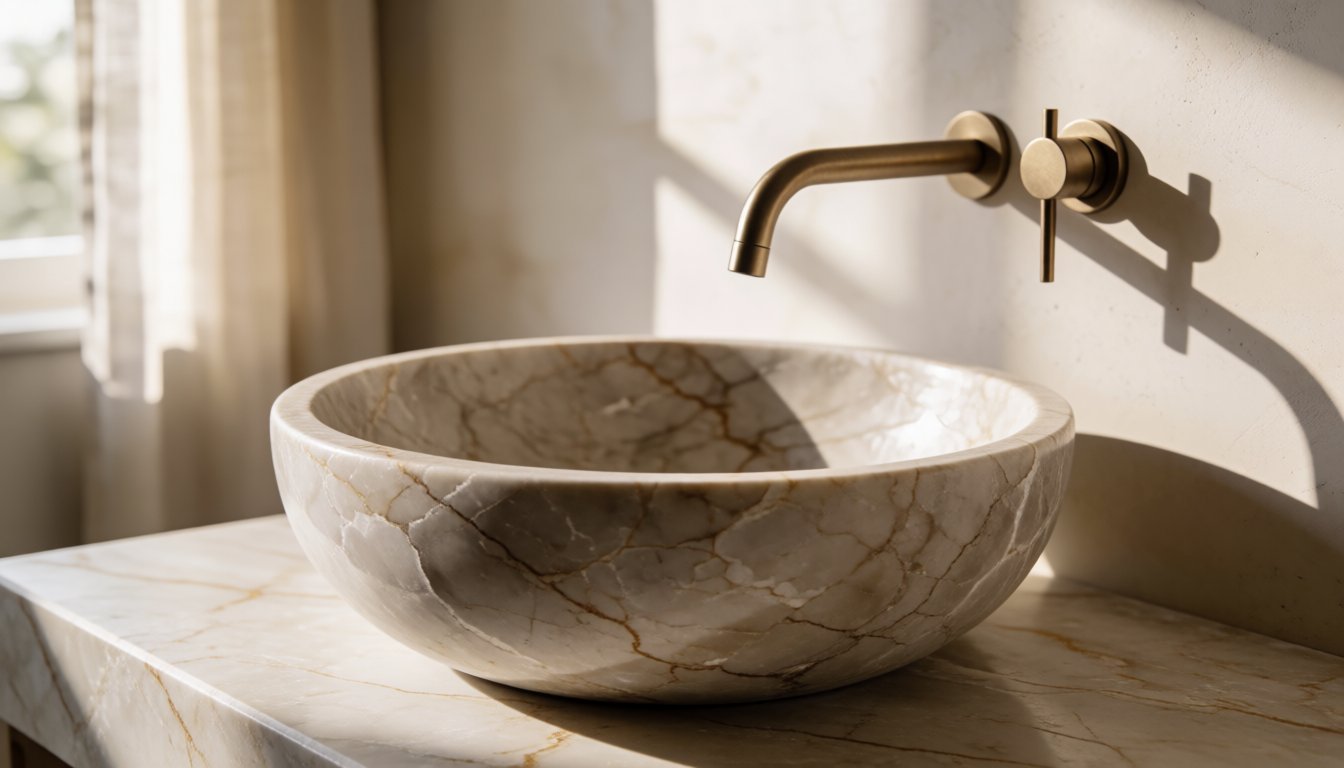
Importers and dropshippers often expect immediate fulfillment when placing an order with a Chinese B2B supplier. The reality of natural stone manufacturing is different. Unlike standard plastic or metal goods, every slab is unique, requiring specific extraction from the quarry followed by precise fabrication. This process dictates your stone order lead time. At Gladystone, we manage production for sinks, bathtubs, dining tables, and fireplaces across the US and EU markets. Our goal is transparency: explaining exactly why a typical project takes 25 to 40 days from deposit to container loading. Understanding these variables allows you to negotiate better terms and plan your inventory strategy effectively.
The Quarry-to-Factory Reality Check
The clock for marble production time does not start until the raw material is available at our factory gate. If a slab must be extracted specifically for an order, lead times extend significantly. However, most of Gladystone’s high-volume items utilize existing inventory held in stock yards or nearby quarries like Nanshan and Gushi.
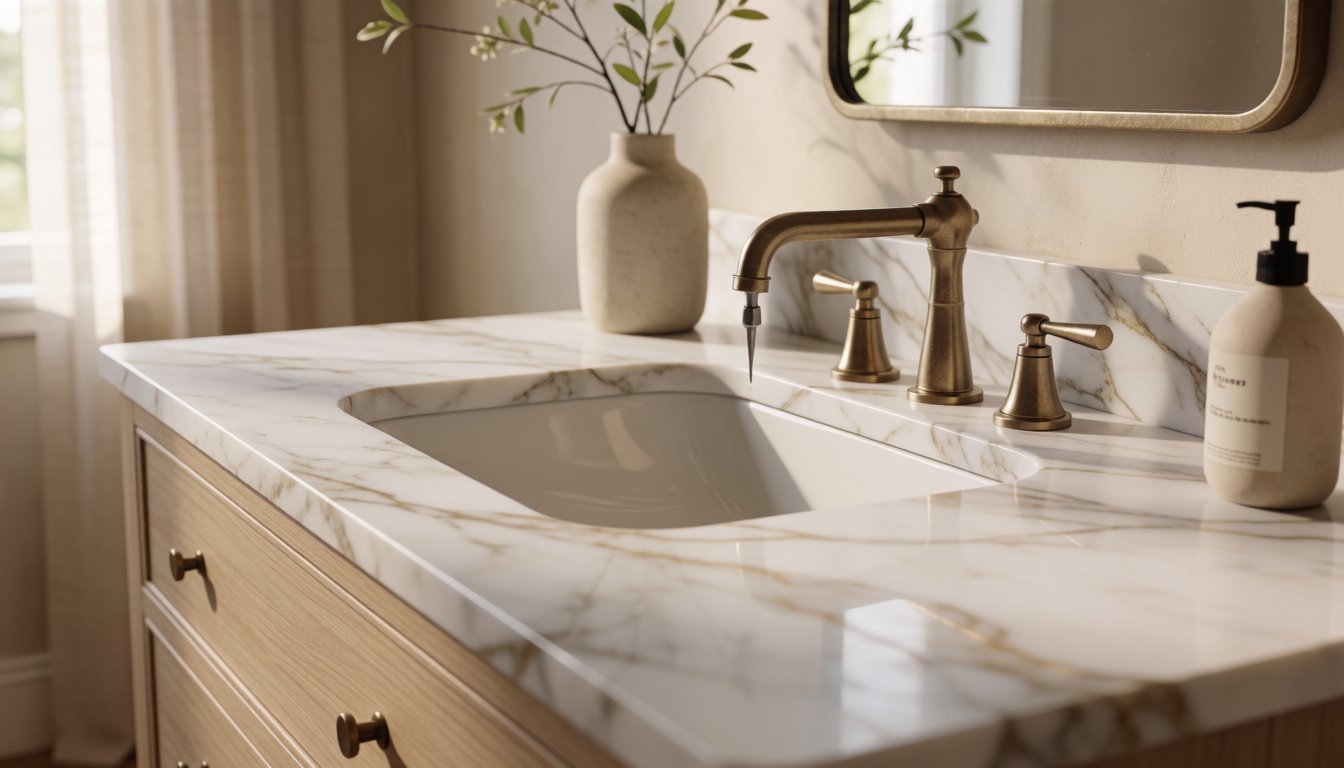
For standard white goods such as vessel sinks (roughly 45cm to 70cm wide) and vanity tops (60cm to 120cm), we maintain a rolling production schedule. When you place an order with existing stock, the stone factory lead time compresses dramatically because cutting happens immediately upon receipt of payment.
Conversely, custom dimensions or rare stone varieties like Statuario Gold require new extraction blocks. A single block can weigh between 150kg and 300kg depending on thickness (typically 2cm to 4cm). Moving a block from the quarry pit through multiple processing stages—sawing into slabs, polishing surfaces, and inspecting for natural fissures—takes time. You must factor in this logistics bottleneck before expecting your first shipment date.
Fabrication Complexity Drives Duration
Once materials arrive at our facility in Guangdong or Fujian, they enter the fabrication bay where precision matters more than speed. A standard bathroom sink involves drilling overflow holes and mounting points for faucets (often 3-hole or center-set configurations). This CNC machining process ensures a tight fit but requires dedicated machine time per unit.
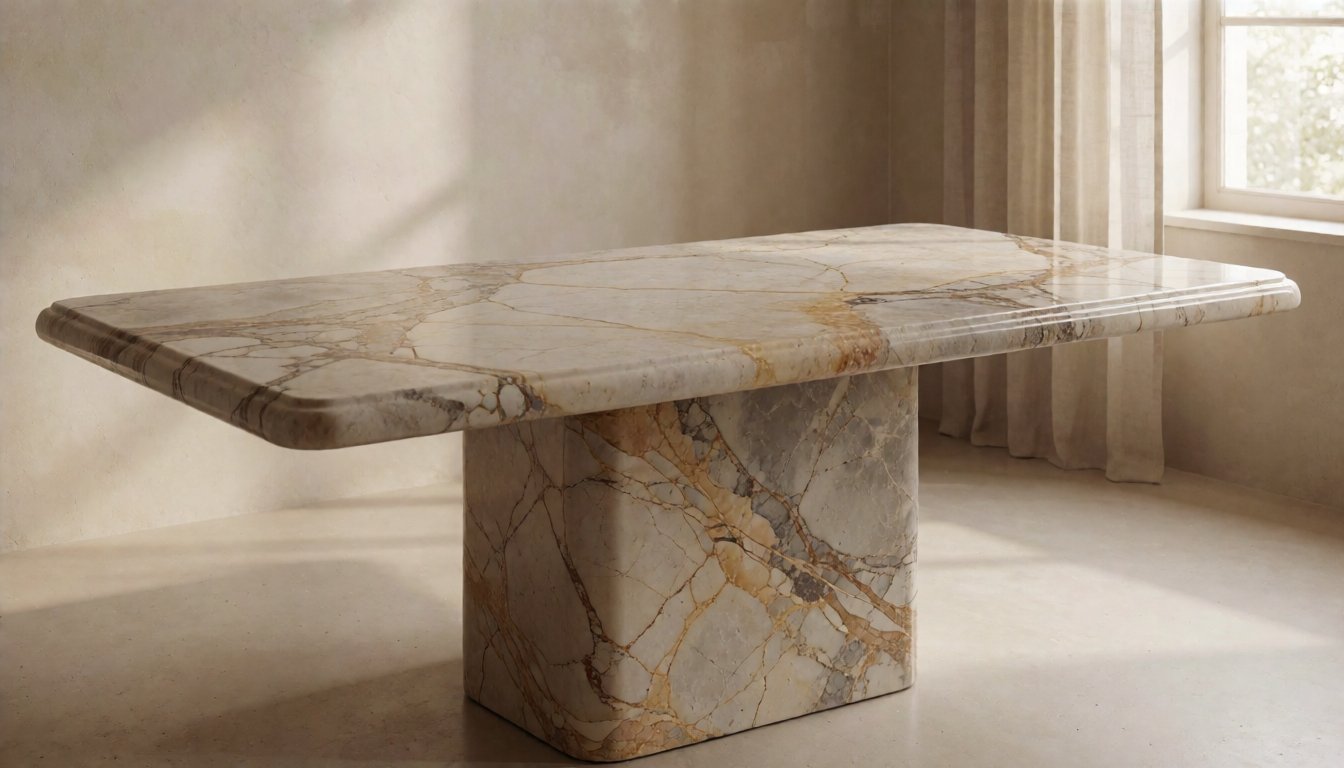
Bathtubs present a different challenge entirely. These are thick items, usually ranging from 20cm to 45cm in height with weights exceeding 180kg for double vanities. Casting these large structures involves mixing resins and stone aggregates under pressure. The curing process alone can take several days before the item is ready for grinding. If a customer requests specific edge profiles like bullnose, ogee, or beveled edges (common in dining tables), each side must be ground individually after cutting.
This manual finishing step is critical to preventing scratches on natural stone surfaces that are softer than metals or ceramics. Rushing this phase leads to quality issues where clients reject the product upon arrival in their domestic market. Therefore, a reasonable 25-day minimum turnaround for standard orders reflects necessary attention to detail rather than just processing speed.
Inventory Strategy and MOQ Flexibility
Your ability to shorten stone order lead time depends heavily on Minimum Order Quantity (MOQ) dynamics and stock availability. For dropshippers ordering small batches of decor items like soap dispensers or candle holders, we can source from our warehouse directly within 3 to 5 days if the design is in current catalog models.
However, bulk orders for wholesale clients targeting US interior designers often require custom colors or specific veining patterns found only in limited quarry runs. In these cases, Gladystone negotiates lead times based on slab availability rather than fixed production slots. A typical MOQ might be 10 pieces per design variant to diversify risk while keeping inventory fresh.
If an importer needs a specific shade of Carrara marble that is currently trending but not yet quarried, the timeline extends beyond our standard window. We prioritize orders by deposit receipt and payment schedule efficiency. Clear communication about whether you need immediate shipping or are planning for seasonal peaks (like Q4 holidays) helps us allocate production slots accordingly.
Quality Control Adds Necessary Days to Schedule
No reputable manufacturer cuts corners on inspection without risking long-term reputation damage. At Gladystone, every finished item undergoes rigorous quality checks before it leaves the factory floor. This includes checking surface flatness for vanities and ensuring no hidden cracks exist in thick stone slabs used for freestanding tubs or dining tables.
Natural materials carry inherent risks: a 10cm hairline crack can ruin an entire slab worth hundreds of dollars. Our QC team inspects every piece against strict tolerance standards, typically allowing less than 2mm deviation on edge straightness. If a batch shows signs of micro-fracturing due to shipping vibrations during the initial cut phase, we must re-polish or discard those units immediately.
This internal filtering process ensures that only flawless products reach your customers in Europe or North America. While this adds roughly two days to our overall stone factory lead time, it prevents costly returns and chargebacks once goods arrive at a port of entry like Los Angeles or Hamburg. Always budget for this buffer period; trying to force faster delivery often results in compromised quality control steps being skipped, which is the last thing you want as an importer managing brand reputation.