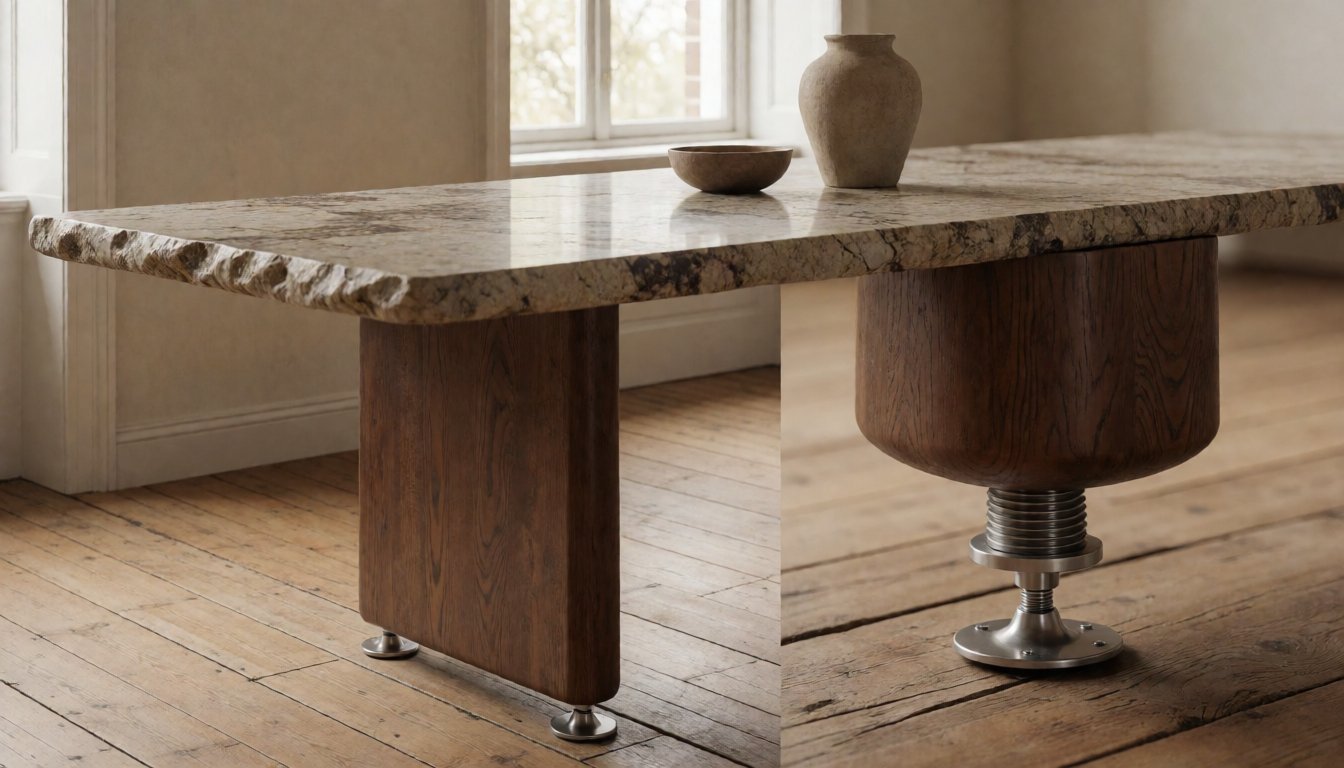
Natural stone furniture arrives from our factory in China with high precision, but installation sites vary wildly. A dining table or vanity shipped to your US warehouse might land on a subfloor with a 1cm dip, or a marble sink base might sit on concrete that slopes toward a door. If you cannot get the unit flat, water pooling becomes a risk for vanities, and heavy stone tops can crack under uneven stress. This guide focuses on practical solutions for stone furniture leveling using shims and adjustable feet, written from the perspective of a buyer managing inventory and quality control.
Why Uneven Floors Threaten Stone Products
You often hear that natural stone is durable. That is true for static loads, but installation mechanics matter. A 120cm granite dining table typically weighs between 80kg and 120kg depending on thickness. If one leg sits higher than the others due to floor irregularities, the weight distribution shifts instantly.
This shift causes three specific issues:
1. Structural Stress: The stone top may develop micro-fractures at the edge where it meets the raised leg.
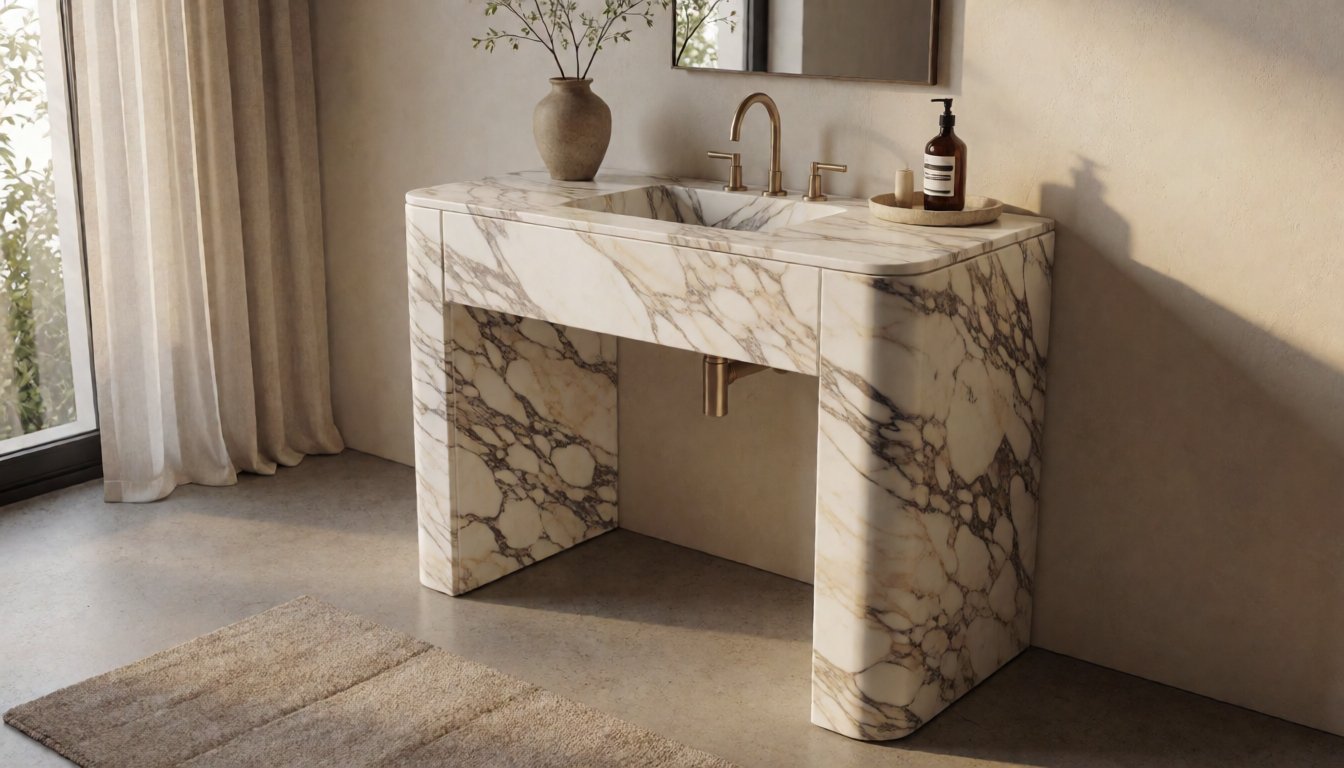
2. Water Damage: For bathroom vanities and sinks, an uneven surface prevents proper drainage. Water runs to one side, seeps into grout lines or cabinet joints, and causes mold or rot in the underlying wood structure.
3. Customer Complaints: Dropshippers selling on Shopify face returns when customers complain their “marble table shims” are not holding the piece level, even after adjustment attempts.
Understanding these risks helps you define clear quality control (QC) standards with your supplier before the container leaves China.
Adjustable Feet: The Modern Standard for Heavy Units
For heavy items like stone bathtubs or thick-slab dining tables, adjustable steel feet are often the preferred solution over simple shims. These feet usually feature a threaded stem that allows for vertical adjustment of 2cm to 4cm.
When sourcing stone leg leveling hardware from manufacturers like Gladystone, check the load rating. A standard adjustable foot is rated for roughly 50kg per point. A 150x90cm stone vanity weighing 60kg requires four points of contact. If one foot fails, the entire unit becomes unstable.
Ask your supplier about the finish on these feet. Powder-coated zinc or stainless steel is essential for humidity-prone areas like showers. Plain iron will rust quickly in a warehouse environment before reaching the end customer. Lead times for custom-molded feet with your brand logo are typically 15–20 days if ordered alongside the stone slabs.
Shims and Underlayment: The Low-Cost Fix for Minor Slopes
Sometimes adjustable feet are overkill or unavailable for specific designs, such as a pre-finished vanity with a closed cabinet base. In these cases, shims provide a cost-effective fix for minor floor irregularities under 1cm.
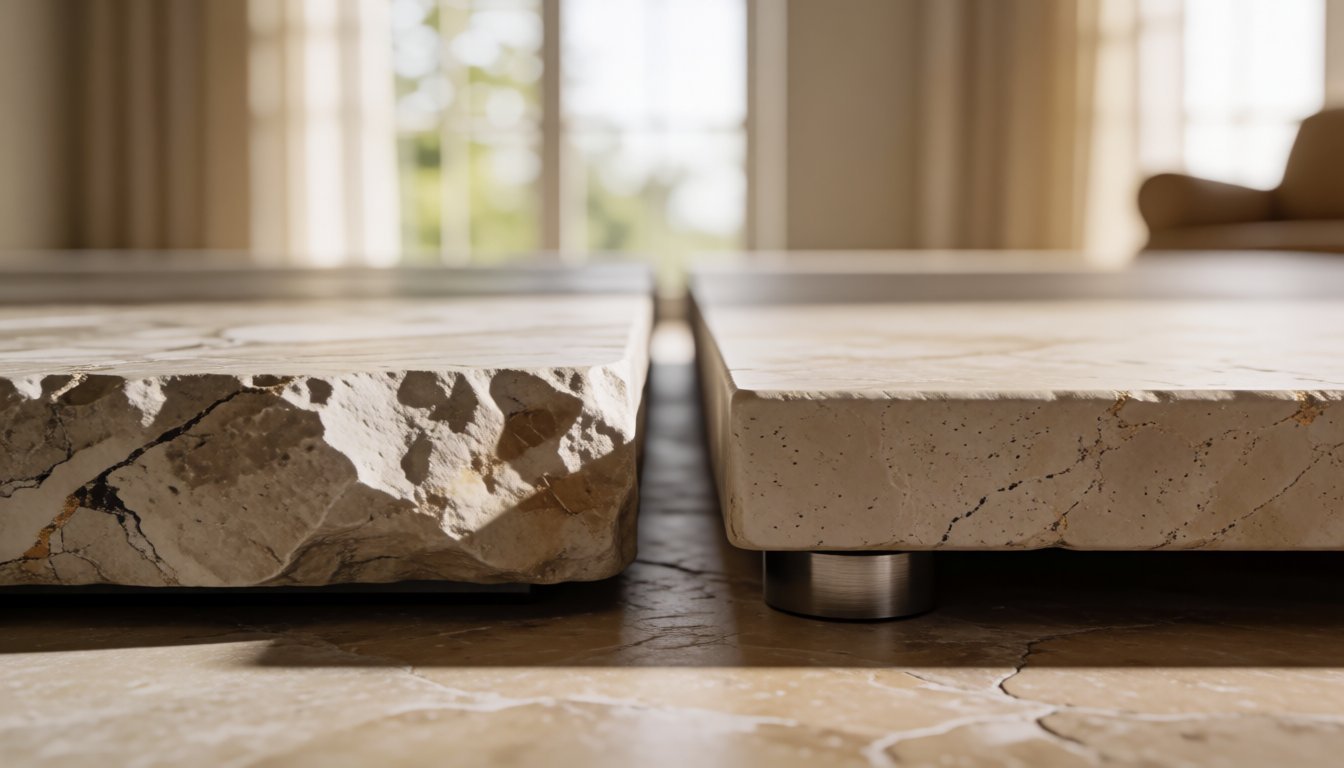
We typically recommend high-density polyethylene (HDPE) shims rather than cardboard or wood. HDPE does not absorb moisture and will not swell when exposed to bathroom humidity. A standard shim pack should include pieces in 3mm, 6mm, and 9mm increments.
For a 50kg marble side table, you might need just one 4mm shim under the shortest leg. However, if the floor slope is severe (over 1cm), shims alone may not suffice. You must combine them with adjustable feet or install a leveling compound underneath the unit. Always test the stability by applying pressure to the top of the table before handing it over to the installer.
Material Choices and Weight Considerations
The choice between marble, granite, quartzite, or soapstone significantly impacts how you approach leveling. Marble is softer and more porous than granite. If a marble slab cracks during installation due to uneven support, the repair cost runs roughly $300–$600 depending on the size of the replacement piece.
Granite slabs for dining tables are generally thicker, ranging from 2cm to 3cm. A 3cm thick slab adds significant weight, increasing the demand on your leveling system. A typical 180x90cm granite table can weigh over 100kg. Ensure your packaging includes internal supports that maintain leg alignment during transit. If the legs shift position in the box, the customer will struggle to level it upon arrival.
For bathroom vanities, keep the total unit weight under 45kg if possible. This allows for easier installation by a single technician and reduces the risk of crushing the leveling mechanism. When calculating shipping costs for your dropshipping model, factor in the extra packaging material needed to protect these heavy items during the ocean freight journey from China.
Quality Control Checklist for Buyers
Before placing an order with Gladystone or any other manufacturer, review this QC checklist to ensure your stone furniture leveling components meet international standards:
- Leg Squareness: Measure diagonal distances on all four legs. The variance should be less than 2mm.
- Foot Thread Pitch: Verify that the threads on adjustable feet are consistent. Rough or uneven threading makes fine-tuning impossible for the end user.
- Shim Durability: Request a sample pack of shims. Bend a few pieces to test rigidity. They should not snap under light pressure.
- Anti-Rust Coating: Inspect steel components for passivation layers. Water spots or rust stains on white furniture are immediate returns.
- Installation Instructions: Ensure your supplier provides clear, photo-based guides in English and Spanish (if targeting the EU/US). Ambiguity here leads to support tickets and lost sales.
By addressing these mechanical details early, you protect your brand reputation and reduce return rates. Proper leveling is not just an installation step; it is a critical component of product longevity and customer satisfaction.