Importers looking to capture the high-end bathroom market need to move beyond generic slabs. The demand for a luxury marble bathroom is shifting from simple aesthetic appeal to functional durability and unique storytelling. As we approach 2026, the biggest opportunity lies in sourcing materials that balance timeless elegance with modern manufacturing standards. Buyers must understand what drives costs, how to vet suppliers effectively, and which specific stone types will define the next wave of stone bathroom trends. This guide breaks down the practical realities of stocking marble for US and EU markets without getting bogged down in marketing fluff.
Why Calacatta and Carrara Are Not Enough Anymore
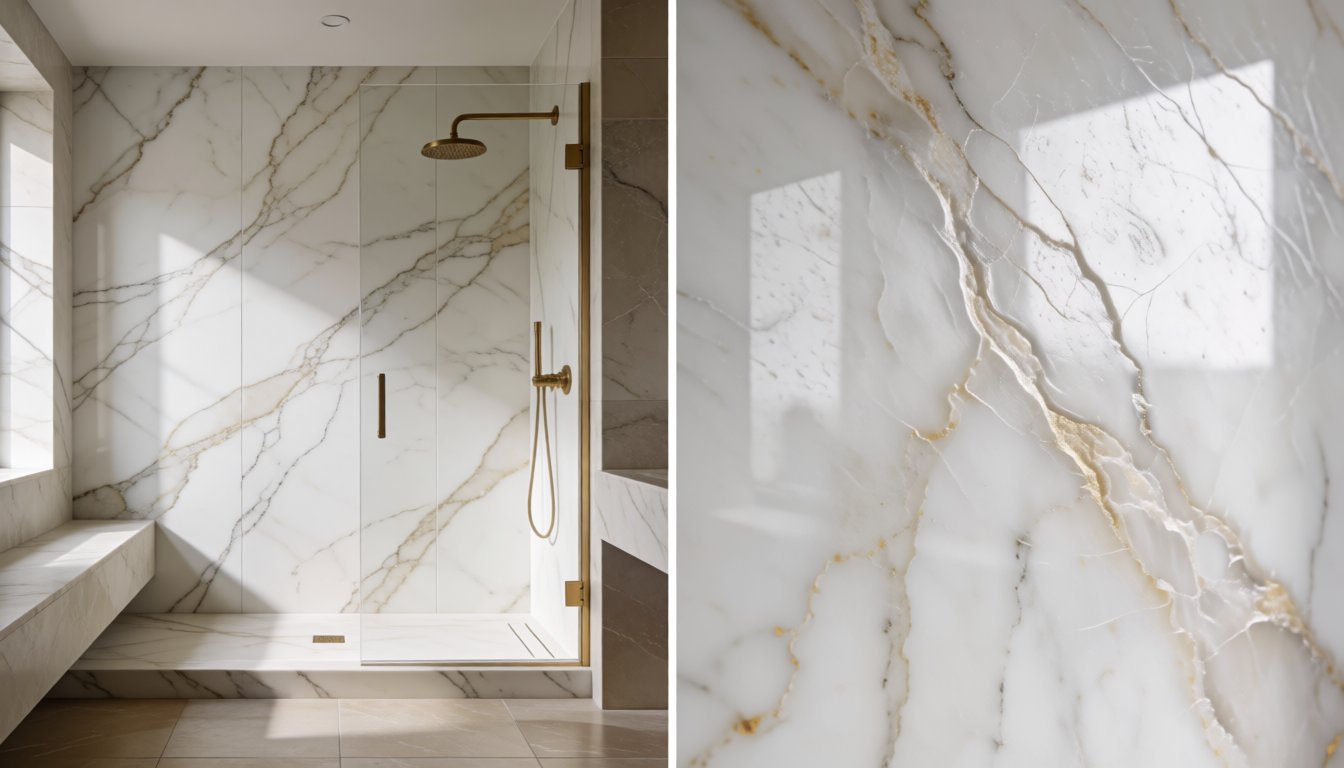
Traditional white marbles like Calacatta Gold and Carrara are still staples, but they are becoming commodities. Their margins are shrinking as more factories compete on price alone. To build a profitable catalog, you need to offer variety that allows designers to stand out.
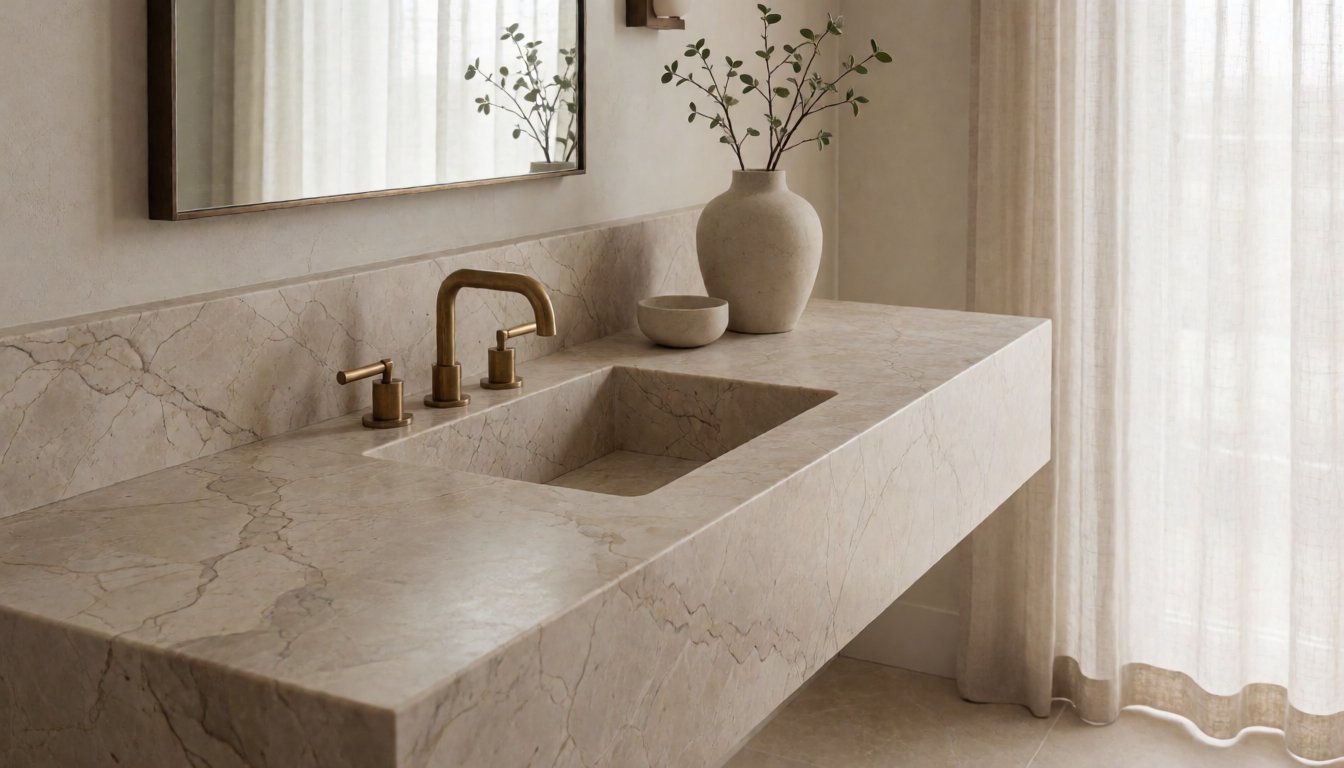
Consider the rise of “warm” marbles. These stones offer beige or soft gray veining instead of stark white backgrounds. They pair perfectly with brass or gold fixtures without looking dated. For example, a slab measuring 320cm x 185cm in a warm tone can command a premium because it solves the common problem of cold, hospital-looking bathrooms.
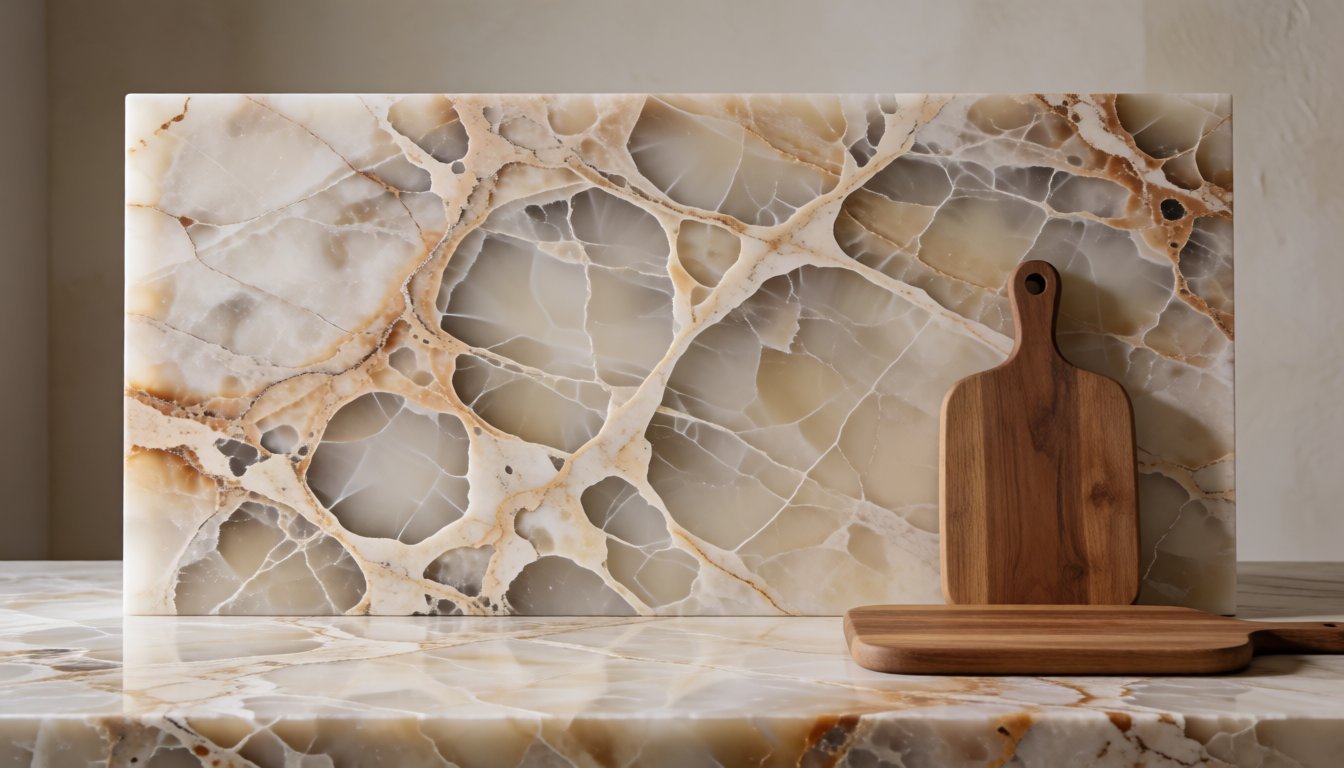
Another key trend is the move toward smaller, more manageable formats for residential projects. While large slabs (over 4 meters) are great for showrooms, many installers prefer pieces that fit standard cabinet widths (60cm to 90cm). Sourcing stock in these dimensions reduces waste for your end clients and simplifies logistics. Always verify the available slab sizes with your manufacturer before committing to a bulk order.
Vetting Suppliers: The Real Questions You Must Ask
When contacting a factory like Gladystone, do not start with “Can you supply marble?” Start with specific operational questions that reveal their actual capability. A reliable partner will answer these transparently without hesitation.
First, ask about the origin of the stone. Is it sourced directly from quarries in Italy or Turkey, or is it secondary stock? Direct quarry access usually means better quality control and lower costs. Second, inquire about defect rates. No natural stone is perfect. Ask for their standard rejection rate for veining inconsistencies or natural cracks. A reputable supplier should have a clear policy on how they handle defective tiles—whether they offer replacements or discounts.
Crucially, ask about the finishing process. Polished surfaces are popular, but honed or leathered finishes are gaining traction in luxury marble bathroom designs because they hide water spots and scratches better. Confirm if your supplier can produce custom cuts for specific vanity dimensions. For instance, can they cut a 120cm wide sink top with precise edge profiles like bullnose or ogee? These details matter to high-end interior designers who expect precision.
Finally, check their lead time consistency. If a factory promises 45 days but consistently delivers in 60, your inventory planning will suffer. Request proof of delivery timelines for recent orders. Transparency here is the only way to manage expectations with your dropshippers or wholesale clients.
Understanding Cost Drivers and Realistic Pricing Ranges
Pricing in natural stone is not linear. It depends on thickness, slab size, finish, and origin. Importers often underestimate these variables when calculating landed costs.
For a standard 2cm thick Calacatta Gold slab from Italy, expect to pay roughly $180 to $250 per square foot at the factory gate. However, this price drops significantly if you order larger volumes or choose less popular colors. A similar slab in a secondary color might cost $140 to $190 per square foot. Thicker slabs (3cm) are heavier and more expensive due to shipping weight limits; they typically range from $220 to $300 per square foot.
Transportation is your biggest hidden cost. Natural stone is heavy. A standard pallet holding 15 square meters of 2cm marble can weigh between 800kg and 900kg. Freight costs fluctuate based on fuel prices and container availability. Always factor in a buffer of 15% to 20% for ocean freight and port handling fees.
Customization adds cost but increases value. Asking for specific edge profiles or custom polishing increases the per-unit price by roughly $2 to $5. If you need a specific pattern layout (book matching), be prepared to pay a premium of up to 30%. Discuss these options early with your supplier to avoid sticker shock later. Remember, the goal is not just the lowest unit price, but the best margin after logistics and returns are accounted for.
Strategic Stocking: Balancing Inventory Risk and Demand
Holding too much inventory ties up capital. Holding too little means missing sales when a trend spikes. The solution is a tiered stocking strategy based on data, not guesswork.
Start with core colors that have consistent demand across different price points. These are your safety stock items. Then, allocate smaller quantities to trending “hero” products like the warm beige marbles mentioned earlier. These generate buzz but carry higher risk if they don’t sell quickly.
Monitor your sales data monthly. If a specific shade of gray marble sells out in two weeks, reorder immediately rather than waiting for a standard cycle. Conversely, if a color sits unsold for three months, negotiate a bulk discount or return policy with the manufacturer before you get stuck.
Consider offering samples to your B2B clients. High-end designers will not buy without seeing the grain and weight of the stone physically. Provide a kit containing 3-5 different slabs representing your range. This reduces hesitation and speeds up the decision-making process for interior designers who are finalizing their marble vanity trend selections for upcoming projects.
Final Thoughts on Building a Resilient Catalog
Success in the natural stone import business requires a mix of aesthetic insight and strict operational discipline. Do not chase every fleeting trend; focus on quality, consistency, and supplier relationships that stand the test of time. By understanding the nuances of slab sourcing, vetting factories rigorously, and managing your inventory with data, you can build a catalog that serves both dropshippers and professional designers effectively.
The market for stone bathroom trends is evolving, but the fundamentals remain: quality stone, fair pricing, and reliable delivery. Use these insights to refine your supplier list and position your brand as a serious player in the luxury segment.