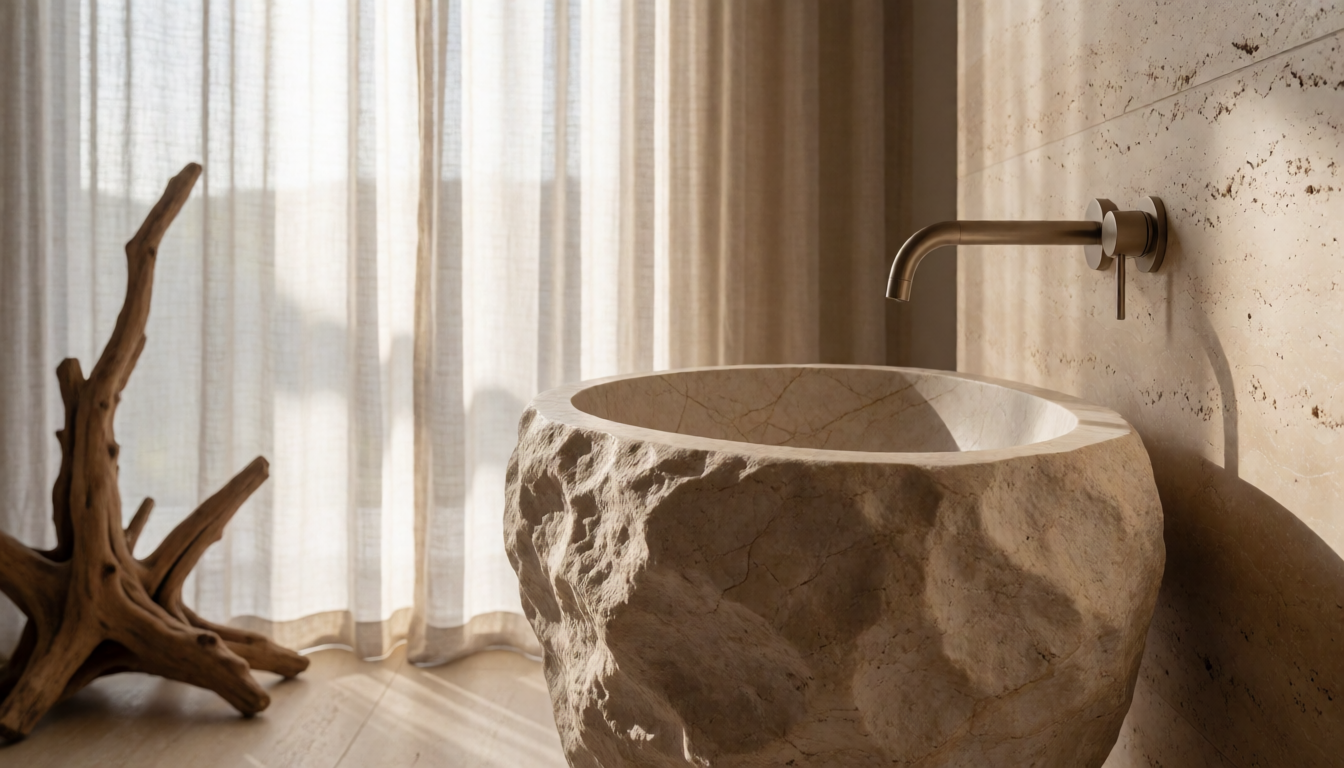
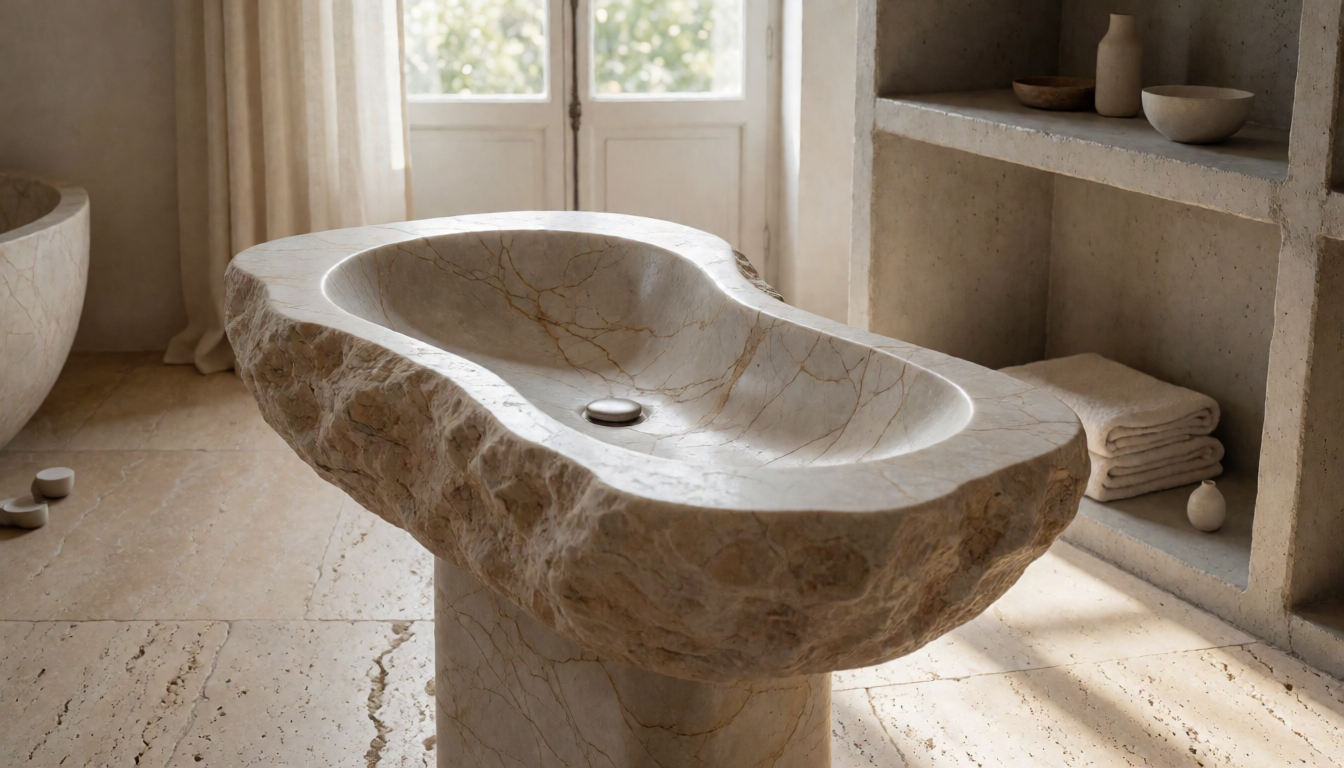
In 2026, the bathroom sink is no longer just a functional fixture—it is a sculptural statement. The latest shift in natural stone basins moves away from factory-polished uniformity toward raw, organic finishes and sustainably sourced marble that tells a story.
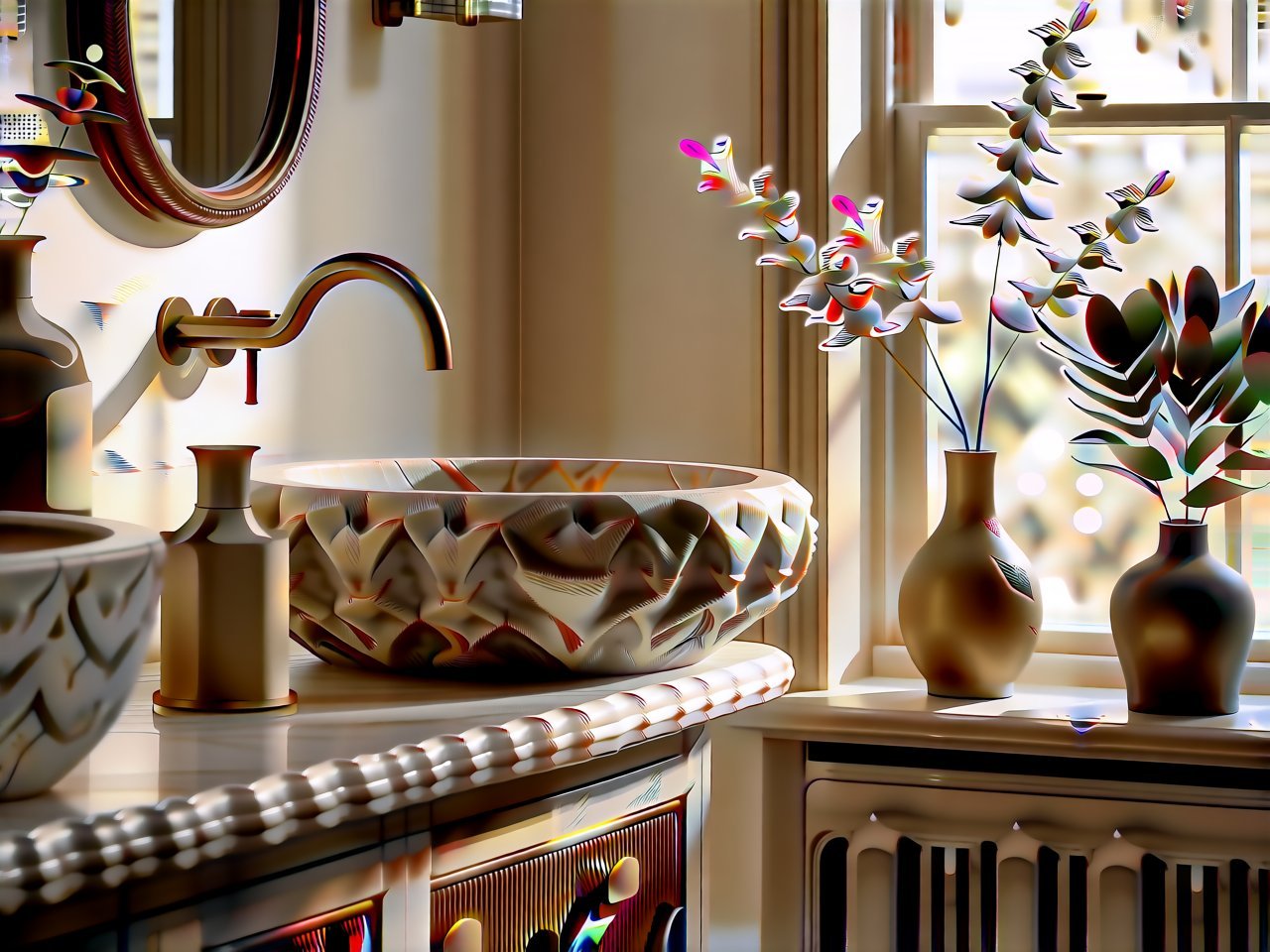
1. The Raw Finish Revolution
Designers increasingly specify sinks with honed, leathered, or unfilled travertine surfaces that retain the stone’s natural texture. The appeal is tactile: clients want to feel the material, not just look at it. For wholesalers, this means stocking basins in matte and textured finishes rather than high-gloss polish.
2. Sustainability as a Selling Point
Architects now ask: “Where was this stone quarried, and under what conditions?” Responsibly sourced marble from certified quarries commands a 15–25% price premium in the US and EU markets. Highlighting provenance is no longer optional—it’s a competitive necessity.
3. Sculptural Forms Over Standard Shapes
The “anti-rectangle” shift has reached the bathroom. Organic, asymmetrical, and monolithic stone sinks are Specified by high-end designers who want the basin to read as art. Glady Stone’s natural stone basin collection offers exactly this: hand-finished marble sinks that stand alone as centerpiece elements.
Practical Takeaway for Buyers
When specifying stone sinks for 2026 projects, prioritize:
• Sealing quality – insist on nano-sealed surfaces for stain resistance
• Stone thickness – 20mm+ edges signal quality to end clients
• Finish durability – honed marble hides etching better than polished
Explore Glady Stone’s premium marble sink collection at gladystone.com – crafted for architects who refuse to compromise.
In 2026, the integration of raw sustainability with sculptural design extends beyond mere aesthetics into a profound architectural narrative. As homeowners and commercial clients seek authenticity in their living spaces, the texture of natural stone becomes as important as its color palette. Unlike synthetic alternatives that mimic grain or veining, genuine marble offers unique geological fingerprints that cannot be replicated by machinery. This uniqueness ensures that every installation is one-of-a-kind, significantly increasing property value for high-end residential projects and boutique hospitality venues. By prioritizing materials with a documented lifecycle from quarry to sink, manufacturers can appeal to the growing demographic of eco-conscious consumers who demand transparency regarding carbon footprints and ethical labor practices in their home environments.
The evolution of stone basin manufacturing is also driven by advancements in sealing technologies that respect the material’s integrity while enhancing longevity. Traditional waxing methods are being phased out in favor of nano-sealed surfaces, which penetrate deep into the porous structure without altering the tactile feel or visual depth of honed finishes. These advanced coatings provide a hydrophobic barrier against water spots and mineral deposits, crucial for maintaining the pristine appearance of organic textures like leathered travertine. Furthermore, structural innovations allow designers to create monolithic forms that span large surface areas with minimal visible seams, reinforcing the ‘sculptural statement’ concept. This engineering precision ensures that even irregular, asymmetrical shapes maintain stability under daily use, bridging the gap between avant-garde artistic vision and practical kitchen or bathroom functionality.
For manufacturers like Glady Stone, adapting to these 2026 trends involves a strategic pivot in inventory management and customer education. Stocking basins with varied thicknesses allows for versatile installation options; thicker edges (20mm+) not only signal superior quality but also reduce the risk of chipping during transport and handling. Educating clients on proper maintenance is equally critical, as raw finishes require specific care routines that differ from polished counterparts. By providing detailed guides on pH-neutral cleaning agents designed specifically for marble, companies can prevent common mistakes like etching or dulling. This proactive approach builds long-term trust with architects and interior designers who need reliable partners capable of delivering both visual impact and enduring performance in their most critical client specifications.
Frequently Asked Questions
Why is raw sustainability considered a competitive necessity for natural stone basins in 2026?
Architects and clients now demand full transparency regarding quarry origins and labor conditions. Responsibly sourced marble from certified quarries commands a significant price premium, particularly in the US and EU markets. Highlighting ethical provenance is no longer optional but essential for maintaining competitiveness against synthetic alternatives that lack genuine geological history.
How does nano-sealing technology differ from traditional waxing for stone sinks?
Nano-sealed surfaces penetrate deep into porous materials like honed travertine without altering their tactile feel or visual depth. Unlike surface-level waxes, these advanced coatings create a permanent hydrophobic barrier that resists water spots and mineral deposits while keeping the natural texture intact.
What are the maintenance differences between polished and honed marble basins?
Honed finishes generally hide etching better than high-gloss polish because they do not reflect light sharply, masking minor surface imperfections. However, both require pH-neutral cleaners; harsh chemicals damage calcium-based stone regardless of finish type.
Does stone thickness impact the durability and perception of quality in a sink?
Yes, edges with 20mm or greater thickness signal superior craftsmanship to end clients. Thicker slabs reduce chipping risks during installation and allow for more robust sculptural forms that withstand daily household stress without compromising structural integrity.
Stone Comparison
| Stone/Product | Best For | Key Feature | Care Level |
| Honed Travertine | Organic, rustic bathrooms | Natural texture retention; hides water spots well | Moderate (seal frequently) |
| Polished Carrara Marble | High-gloss luxury master baths | Reflective shine; classic veining patterns | Low Maintenance (with nano-seal) |
| Leathered Statuario | Sculptural statement pieces | Soft touch; directional grain effect | Easy (grit-resistant surface) |