Importers who source natural stone for dropshipping or white-label brands must understand that durability starts at the factory but ends in the hands of the consumer. A sink or bathtub made from premium marble can fail within weeks if the buyer does not follow strict maintenance protocols. As a manufacturer based in China, Gladystone provides stone sinks, bathtubs, vanities, and decor pieces ranging from 40cm to 120cm in width. Our standard lead time for bulk orders is roughly 25–35 days, but the real value lies in the product specifications we include with every shipment. These specs act as your primary sales tool. You cannot simply ship a stone vanity without handing over a care manual that matches the material’s porosity. This guide breaks down the specific requirements for sealing, cleaning, and stain removal by material type so you can inform your customers accurately.
Granite: The Low-Maintenance Workhorse
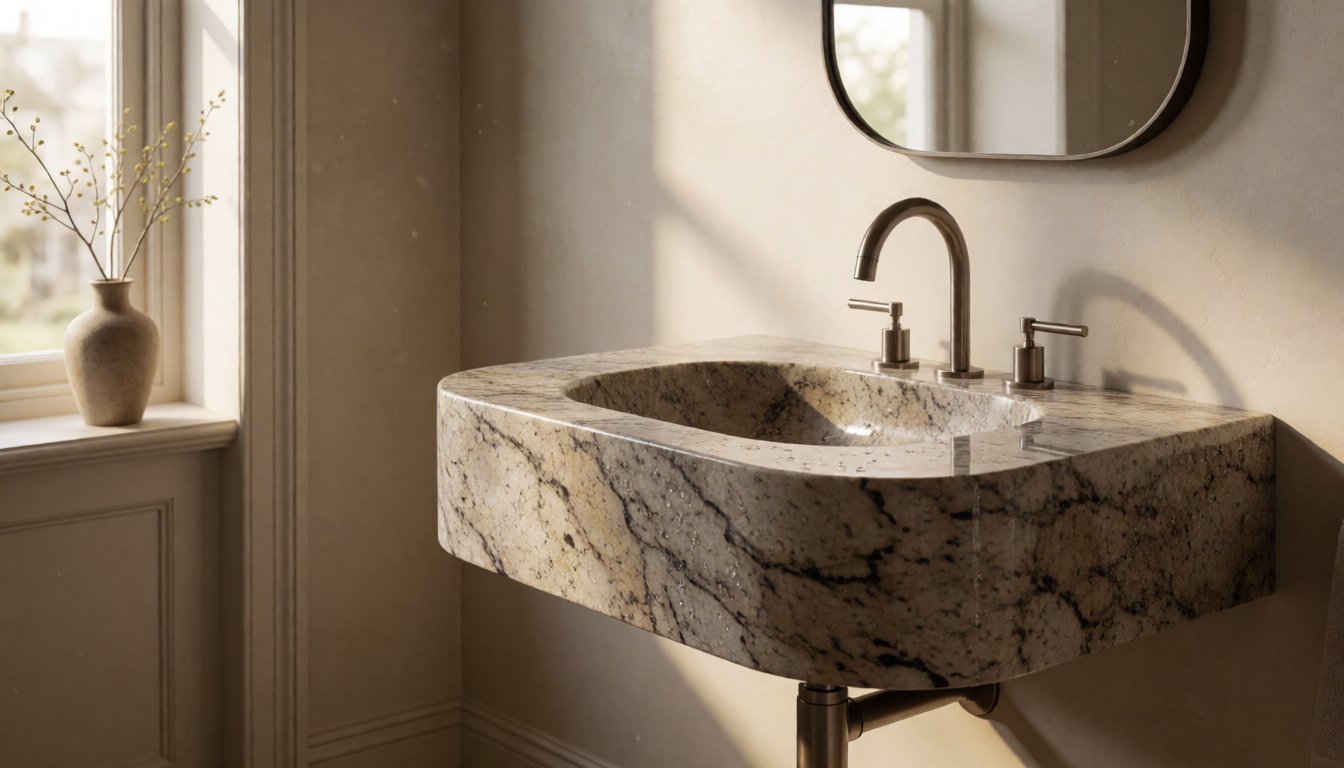
Granite remains the top choice for sinks and kitchen counters because it is naturally dense and resistant to scratches. Typical slabs from our factory weigh between 25kg and 45kg depending on thickness, but the stone itself requires less intervention than other varieties. Most granite surfaces used for dining tables or vanities have a water absorption rate below 0.1%. This low porosity means that routine sealing is not always mandatory for immediate protection, though it is recommended every 12 to 18 months for commercial settings like hotels or restaurants.
For your dropshipping customers, the instruction must be clear: granite tolerates daily cleaning with pH-neutral detergents. Avoid acidic cleaners containing vinegar or lemon juice, as these can etch the polished surface over time. If a customer spills red wine or coffee on a granite sink, wiping it immediately is usually sufficient. However, if a stain sits for more than 24 hours, you may need to apply a poultice. This involves mixing a powder (like baking soda or talc) with water to create a paste, applying it over the stain, covering it with plastic wrap, and letting it sit for 24 to 48 hours. The poultice draws the pigment out of the stone pores.
Marble: Protecting Against Etching and Acid
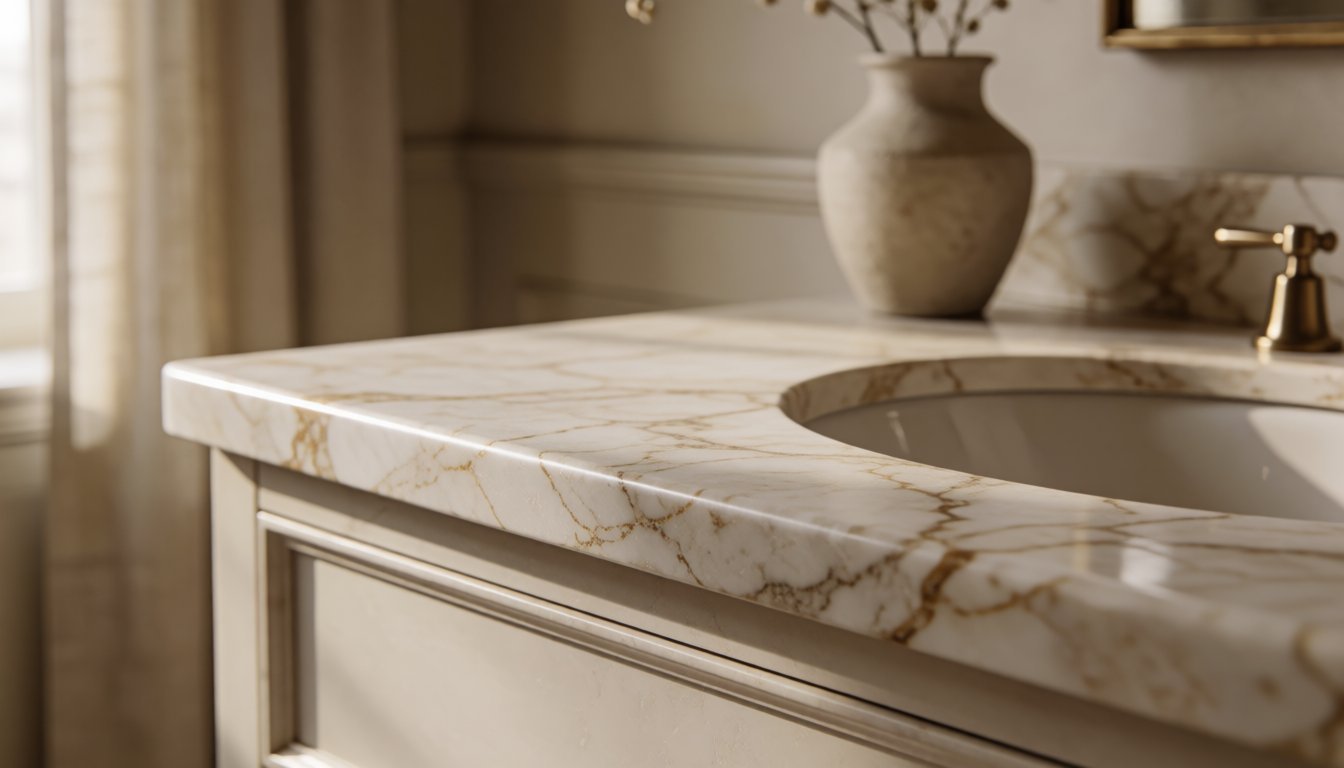
Marble is softer than granite and often preferred for bathroom vanities or fireplaces due to its veining and thermal properties. However, this softness comes with higher maintenance needs. Marble is highly susceptible to etching from acids found in common household items like citrus juices, wine, and even some cleaning sprays. Importers should advise buyers that marble needs re-sealing every 6 months, especially in high-traffic areas or wet rooms where bathtubs are installed.
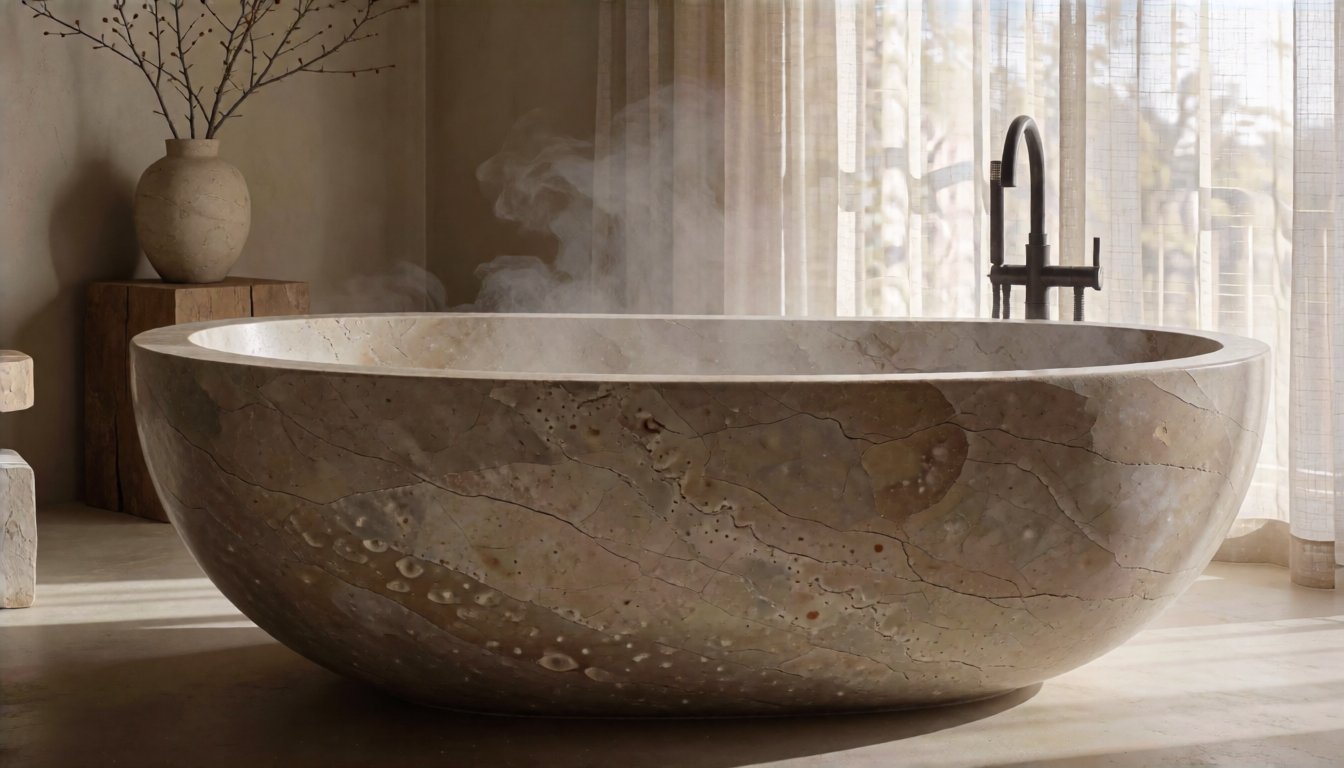
When selling a marble bathtub or vanity, specify the depth of the basin. Our standard marble tubs range from 150cm to 180cm in length and weigh approximately 120kg to 180kg. These heavy items require careful installation to prevent cracking during transport. For stain removal on marble, speed is critical. Do not let acidic liquids sit on the surface. If a spill occurs, blot it with a clean cloth rather than rubbing, which can spread the liquid deeper into the stone. Use a mild dish soap diluted in warm water for daily cleaning. Never use abrasive scrubbers or powders, as they will dull the polish and leave fine scratches that trap dirt.
Quartzite: Balancing Strength and Sensitivity
Quartzite often confuses buyers because it looks like marble but possesses hardness comparable to granite. It is a metamorphic rock formed from sandstone, making it very durable. For your B2B clients sourcing quartzite dining tables or fireplaces, highlight that this material can handle heavier loads without cracking. Typical lead times for custom sizes are roughly 30 days, with standard stock items available in 15–20 days.
Despite its strength, quartzite is still a natural stone and requires sealing. The frequency depends on the specific quarry source; some varieties are more porous than others. A general rule of thumb is to seal every 12 months. Water absorption tests should be conducted by your quality control team before shipment to determine the exact needs of each batch. If a customer drops a heavy cast iron pan on a quartzite countertop, it will likely survive without damage, unlike softer stones like limestone. However, oils from cooking can penetrate if the seal wears off. Advise users to wipe up oil spills promptly and avoid leaving wet towels on the surface for extended periods.
Soapstone: The High-Touch Luxury Option
Soapstone is gaining popularity among interior designers for its dark color and ability to develop a patina over time. It is soft enough to be carved into intricate shapes but tough enough for heavy-duty use in fireplaces or kitchen islands. Importers should note that soapstone does not strictly require sealing in the traditional sense because it contains talc, which gives it natural water resistance. However, applying an oil finish enhances its appearance and protects against stains.
The maintenance routine for soapstone is distinct from other stones. If a customer spills wine or coffee on a soapstone vanity, they can often buff the area lightly once it dries. The stain will turn into a dark spot that blends with the natural color variations of the stone. This is part of the aesthetic appeal. For deep cleaning, use warm water and a soft sponge. Avoid harsh chemicals that could strip the protective oil layer. Soapstone sinks typically come in sizes up to 90cm wide for small to medium kitchens. Remind buyers that while soapstone is durable, it can scratch easily if dragged against rough surfaces. Handle installation with care to preserve the smooth finish.
Limestone: The Fragile Beauty Requiring Care
Limestone is softer and more porous than granite or quartzite. It offers a unique texture but demands strict protection from moisture and acids. Most limestone vanities or decorative pieces should be sealed immediately after installation and resealed every 3 to 6 months. Without proper sealing, water spots can become permanent stains that are difficult to remove.
For dropshippers targeting luxury markets, emphasize the need for a detailed care guide with every order. Limestone bathtubs, which might weigh around 80kg to 100kg depending on thickness, should be installed on perfectly level surfaces to prevent stress cracks. If a stain does occur, avoid using vinegar or bleach-based cleaners. Instead, use a specialized stone cleaner recommended by the supplier. In some cases, professional polishing may be required to restore the shine if the surface becomes dull from over-cleaning with abrasive products. Be transparent with your customers about the higher maintenance schedule compared to granite.
Common Mistakes That Void Stone Warranties
Many buyers assume that “natural stone care” means buying a new sealant every year regardless of the material. This is inefficient and unnecessary for dense stones like granite or quartzite if they are properly sealed initially. Over-sealing can actually build up a waxy residue that traps dirt and makes the surface slippery in bathtubs. Teach your customers to perform a water bead test: drop a few drops of water on the surface. If the water beads up, the seal is active. If it soaks in or spreads out like a puddle, it is time for re-sealing.
Another common error is using generic kitchen cleaners on stone. Products containing ammonia, bleach, or acids can permanently damage the finish. Ammonia, often found in glass cleaners, can dull the polish of marble and quartzite. Bleach can cause discoloration, turning white stones yellow or gray over time. Always recommend pH-neutral cleaners specifically formulated for stone surfaces. For your white-label brands, consider including a small bottle of neutral cleaner with every sink or vanity shipment as a value-add that reduces customer complaints.
Quick Comparison
| Material | Typical Re-sealing Interval | Primary Risk | Weight Range (Standard Slab) | Best For |
| :— | :— | :— | :— :— |
| Granite | 12–18 months | Acid etching | 25kg – 45kg | Kitchen sinks, dining tables |
| Marble | 6 months | Acid etching, scratching | 60kg – 180kg | Bathroom vanities, tubs |
| Quartzite | 12 months | Oil absorption | 30kg – 50kg | Kitchen counters, fireplaces |
| Soapstone | Every 1–2 years (oil) | Scratches from abrasives | 40kg – 90kg | Fireplaces, rustic decor |
FAQ
How often should I re-seal a natural stone sink ordered from Gladystone?
The frequency depends entirely on the material type and its initial water absorption rate. Granite and quartzite typically need re-sealing every 12 to 18 months, while marble requires attention every 6 months due to its higher porosity and susceptibility to acid etching. Soapstone needs less frequent sealing if an oil finish is applied regularly. We recommend testing the surface with a water drop before purchasing sealant; if the water absorbs quickly, it is time to re-apply.
Can I use vinegar or lemon juice to clean my stone vanity?
No. You should avoid using acidic substances like vinegar, lemon juice, or wine on natural stone surfaces. Acids react with calcium carbonate found in marble, limestone, and travertine, causing etching that removes the polished shine permanently. Even granite can be affected by prolonged exposure to strong acids. Always use a pH-neutral cleaner diluted in warm water for daily maintenance to preserve the factory finish.
What is the correct procedure for removing a red wine stain on a marble bathtub?
Act quickly before the liquid dries. Blot the spill gently with a clean, dry cloth to absorb as much liquid as possible without rubbing, which can grind particles into the stone. Do not use bleach or ammonia. Create a poultice using baking soda and water mixed to a paste consistency, apply it over the stain, cover with plastic wrap, and let it sit for 24 to 48 hours. This draws the pigment out of the pores. After removing the poultice, rinse with warm water and pat dry with a soft towel.
Are all stones from China treated differently than US-sourced stone?
The treatment process is similar globally, but the supply chain differences affect lead times and packaging. Our standard lead time for bulk orders is roughly 25–35 days, which allows for rigorous quality control including water absorption testing and polishing checks. We ensure that every slab meets international export standards before shipping to your warehouse in the US or EU. The care instructions provided with our goods are specific to the stone type, ensuring consistency regardless of origin.