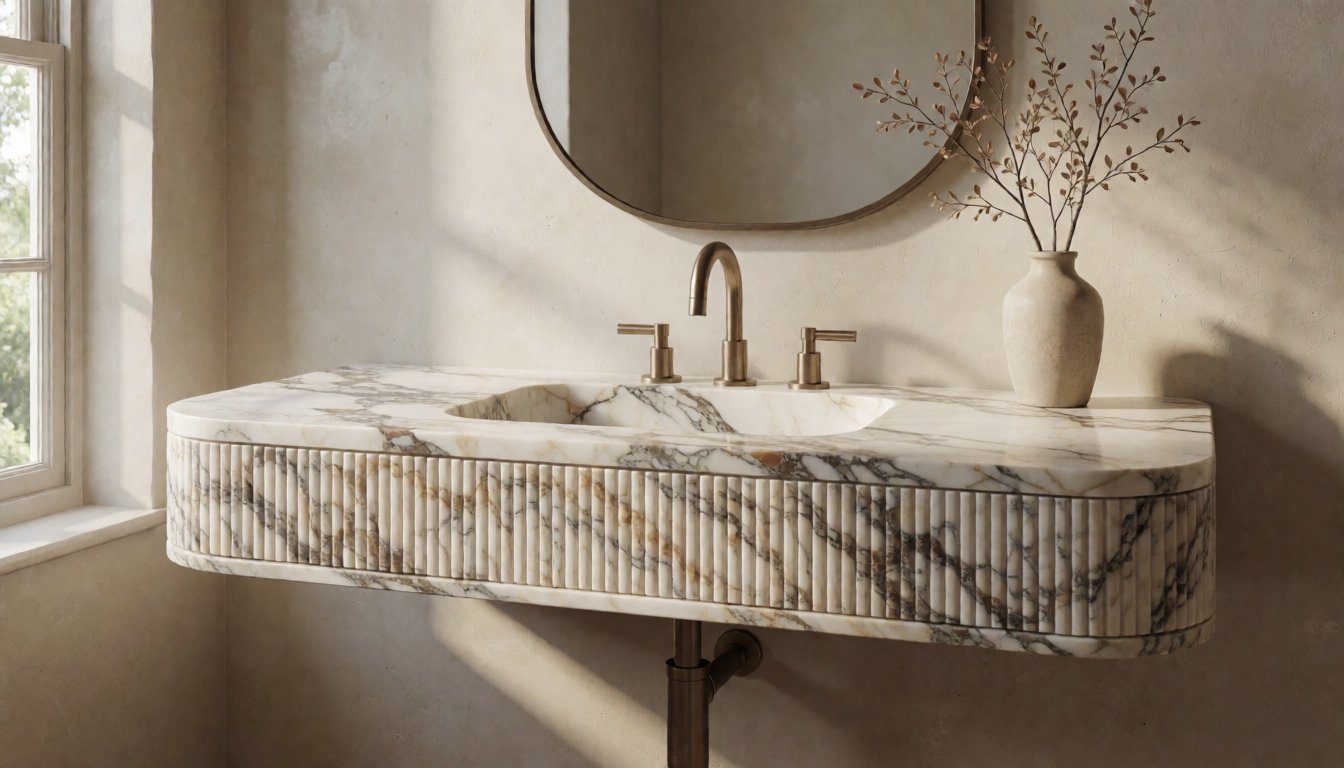
Light marble surfaces are a high-demand product in the US and EU markets, often commanding premium prices for kitchens, bathrooms, and luxury retail spaces. However, their susceptibility to staining is the single biggest complaint importers face after sales. As a buyer sourcing from China, you cannot simply sell “stone” without managing expectations. Your buyers will return products or demand refunds if they pour red wine on a 2cm thick vanity top and see an immediate dark mark. You must establish a clear protocol before the container even leaves the factory. This article outlines the specific risks associated with light marble stain prevention, white marble care, and the technical steps required to minimize marble staining liability for your brand.
Understanding the Porosity of Light Marble
The first conversation you must have with your supplier at Gladystone involves the intrinsic properties of the stone slab. Not all “white” marble is created equal. Carrara and Calacatta varieties are naturally porous, meaning they absorb liquids within minutes if left untreated. A spill on a 120cm x 60cm dining table or a 90cm bathtub rim can result in permanent etching or discoloration if not addressed immediately.
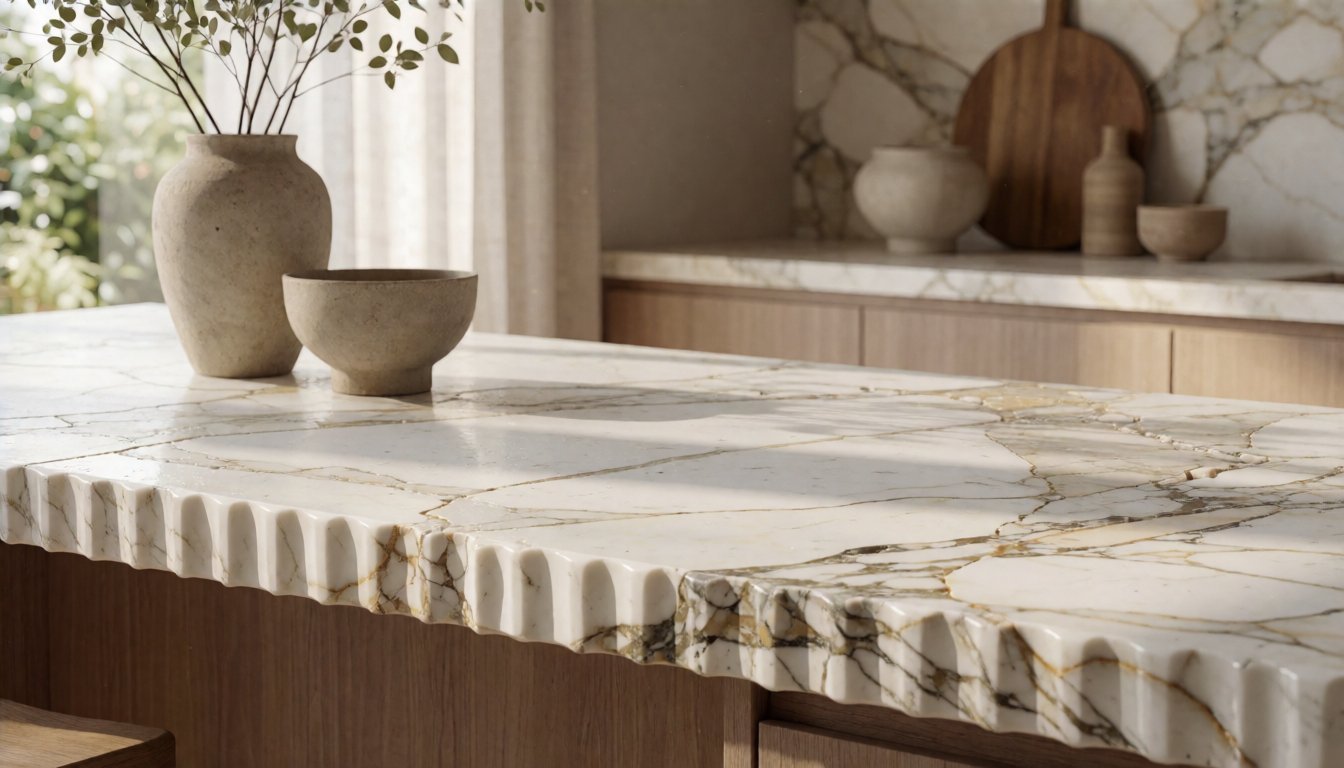
Importers often assume that sealing the stone once solves the problem. In reality, light marble stain prevention requires ongoing maintenance, not just a one-time application. When negotiating with manufacturers, ask for samples of the specific batch you are ordering. Apply a drop of water and oil to different sections of the slab. If the water beads up instantly but absorbs quickly, the sealant is failing or the stone is too porous for current applications.
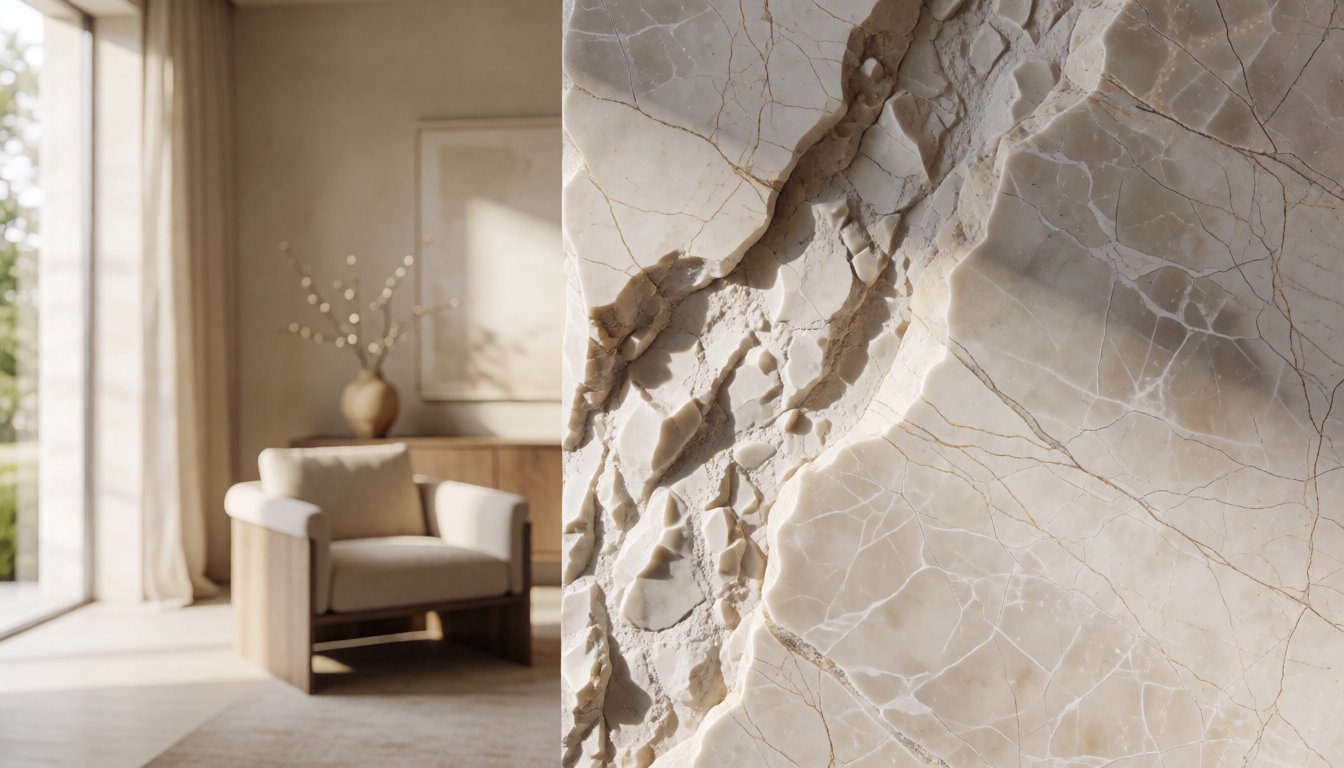
For white marble care to be effective, the initial sealing process must be rigorous. Standard factory seals may last only a few weeks in high-traffic environments like a dropshipper’s warehouse or a retail showroom. You need to understand that the buyer will expect you to provide a maintenance kit. If your supplier cannot guarantee a minimum seal depth of 0.5mm, consider ordering extra sealing powder or liquid as part of the container load. This reduces the risk of early marble staining claims and keeps your customer service costs low.
Setting Realistic Expectations for Buyers
Your buyers are often consumers who do not understand geology. They expect a bathroom countertop to be indestructible. You must equip them with simple, actionable rules before they unbox the product. The most effective strategy is to shift the narrative from “impossible to clean” to “requires specific handling.”
Create a digital care guide that includes photos of common mistakes. Show images of how coffee rings form on untreated light marble versus sealed surfaces. Explain that while acid stains (lemon juice, vinegar) cause etching which cannot be reversed by cleaning alone, oil-based stains can often be mitigated with prompt blotting. However, time is your enemy. A spill left for 24 hours penetrates the stone matrix permanently.
When discussing lead times and logistics, factor in the education phase. If you are dropshipping directly to end-users, include a QR code on the packaging that links to a video demonstrating white marble care. This video should show someone wiping up a spill within 30 seconds using a microfiber cloth. By providing this educational tool, you protect your brand reputation. If a customer sees a stain and thinks the product is defective, they will blame Gladystone or your brand. If they realize they missed the 30-second window, the responsibility shifts to their care routine.
Technical Specifications for Sealing and Shipping
The physical state of the stone when it arrives in your country determines its longevity. Stone slabs typically weigh between 25kg to 45kg depending on thickness (usually 1.8cm to 3cm). During ocean freight, these heavy blocks are stacked without protective barriers. Vibration and minor impacts can compromise the surface sealant layer applied at the factory in China.
Ask your supplier to apply a fresh coat of high-quality impregnating sealer immediately before boxing, ideally within 48 hours of finishing the surface. The sealer must penetrate deep enough to resist water absorption for at least 72 hours. Request a certificate of sealing efficacy if available, though often verbal confirmation from the production manager is sufficient for B2B transactions.
Shipping conditions also matter. If containers are not kept dry or are exposed to humidity spikes during transit, moisture can seep into the stone edges, weakening the sealant bond. Upon arrival, your warehouse staff should re-seal any visible cuts or edge joints before the product goes out for final delivery. Typical lead times from order confirmation to container loading are 15 to 25 days for natural stone. Use this window to inspect the sealing quality. If a batch shows uneven absorption rates during testing, reject that specific slab immediately rather than shipping it and dealing with returns later.
Mitigation Strategies for High-Risk Applications
Not all projects carry the same risk. A fireplace surround or an outdoor bench has lower exposure to liquid spills than a kitchen sink or a vanity top. However, even low-risk applications need basic protection against environmental factors like rain or humidity. For indoor furniture, the risk of marble staining from household items is highest.
Advise your buyers to avoid placing hot pots directly on light marble surfaces. Thermal shock can crack the stone and open up new pathways for stains. Similarly, recommend using trivets for anything hotter than 60°C. For sinks and bathtubs, which are often made of solid surface materials rather than pure marble, the risk is different but still present. A sink bowl with a diameter of roughly 40cm to 50cm requires careful installation to ensure the drainage hole area is fully sealed.
Your contract with Gladystone should specify who bears the cost of re-sealing if a batch fails quality control. If the factory cannot guarantee a defect rate below 1%, you must budget for additional sealing materials in your landed cost calculation. Typical pricing for high-grade white marble slabs ranges from $80 to $150 per square meter, depending on the vein pattern and rarity. This investment includes the raw material and the basic finishing. Do not skimp on the sealant; it is an insurance policy against costly customer disputes.
Finally, remember that transparency builds trust. If a buyer asks about stain resistance, be honest. Tell them that light marble is beautiful but requires attentive care. Provide them with the tools to maintain it. By managing these expectations early, you turn a potential liability into a selling point for luxury clients who appreciate the exclusivity and effort required to maintain natural stone.