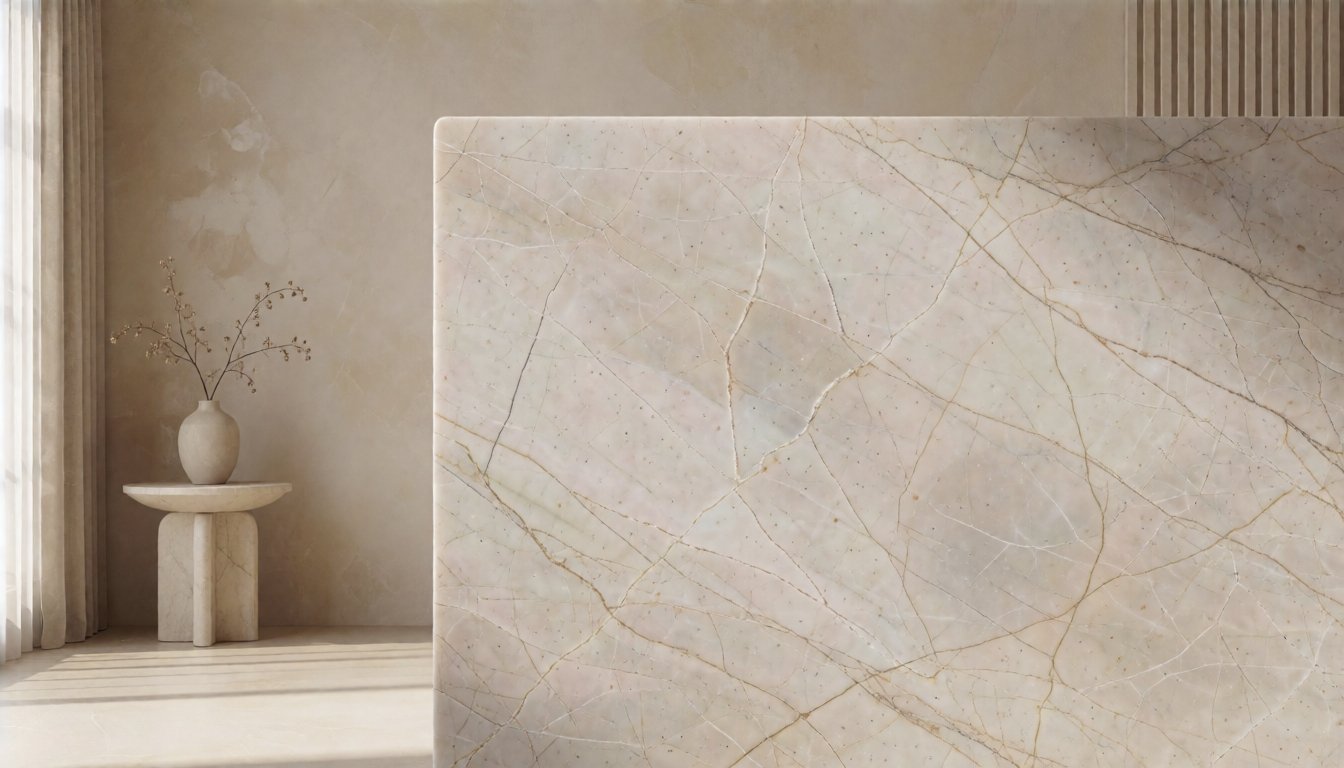
Receiving a load of natural stone from China is one of the highest-risk moments in an import operation. A single crack, a mismatched veining pattern, or a slab with excessive porosity can halt production on a custom order or ruin a client project. When the truck pulls up to your warehouse or installation site, the pressure is immediate. You are standing there, often with limited time before drivers demand to leave. This guide outlines the critical steps for a successful stone delivery inspection. Do not rely solely on packing lists; you must physically verify the condition of every piece against your purchase order and technical drawings.
The First Hour: Documentation and Visual Survey
Before the driver even unloads a single slab, secure your position. Request to see the commercial invoice, packing list, and the manufacturer’s quality control report immediately. These documents should match perfectly. If the item count on the packing list differs from what is visible in the truck, stop the process. Do not sign the delivery receipt (D/R) until discrepancies are noted or resolved.

Once paperwork is cleared, perform a rapid visual survey of the entire shipment while it is still partially loaded. Look for obvious external damage such as deep scratches on the slab edges or impact fractures from rough handling during transit. Check the labeling on each bundle. Slabs should be clearly marked with their style number, batch code, and orientation arrows. Missing labels are a red flag that indicates poor factory organization, which often correlates with inconsistent quality control.
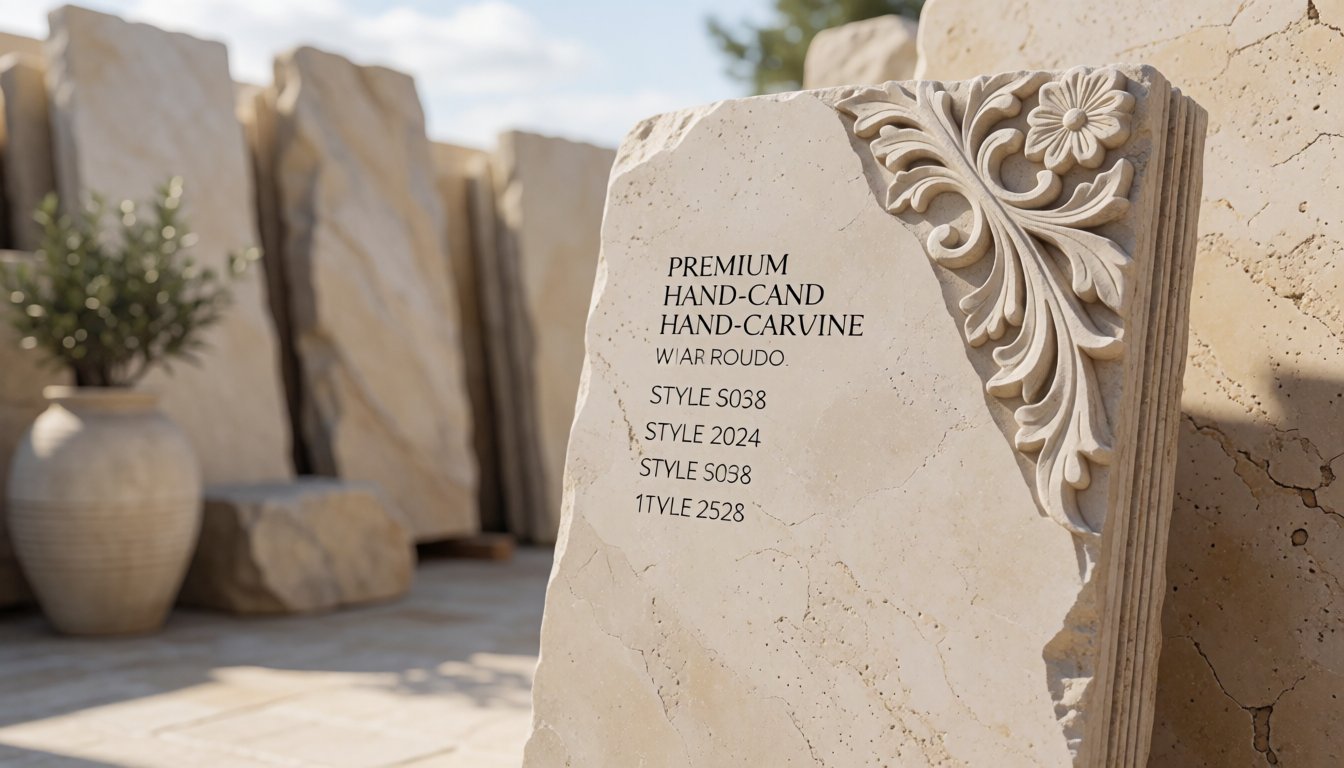
For marble shipments specifically, check for signs of “bleeding” or oil stains before they are wrapped. Some marbles are sensitive to humidity changes during shipping; if you see dark patches forming on the surface under the shrink wrap, this could indicate water damage or improper curing at the source factory. Document these issues with photos and video immediately. If the driver refuses to wait while you inspect, note the time of arrival and the specific condition of the load in your logbook before they depart. This protects you if a claim needs to be filed later.
The Unloading Process: Handling and Support
The method of unloading is where many stones get damaged permanently. Ask the driver how they plan to unload the truck. If they intend to use a forklift or chain hoist without proper slings, insist on manual handling or custom lifting straps for heavy pieces. A standard 2cm thick marble slab can weigh between 30 to 45 kg depending on density and size. Lifting a 120×60 cm vanity top directly by its edge will almost certainly cause internal cracking.
Inspect the support system as the slabs come off the truck. Each piece should rest on padded wooden blocks or foam cradles, not directly on concrete ground or pallets with gaps underneath. If you see a slab resting on uneven supports that are wobbling, request immediate adjustment before the next layer is placed down. Uneven support transfers stress to the weakest point of the stone, creating hairline fractures that may not show until after installation.
During unloading, constantly compare the incoming slabs with the approved photos sent from Gladystone or your design team. Ensure the veining patterns match the selected batch. Natural stone is unique; even within the same quarry block, colors can vary. If a slab arrives with a color saturation that deviates significantly from the sample, flag it immediately while you still have the option to reject the specific unit. Do not accept “it will look fine on the wall” as an excuse for a major color shift.
Technical Verification: Dimensions and Structural Integrity
Once the slabs are off the truck and safely positioned, move into the detailed technical verification phase. This is the most critical part of stone receiving. You need to check dimensions with a steel tape measure or laser distance meter, not a folding ruler. Slabs must fall within the tolerance specified in your contract, typically ±2mm for standard cuts.
Measure the thickness of the slabs at multiple points along the length and width. Natural stone thickness can vary due to cutting tolerances. If you ordered 20mm vanity tops but receive pieces averaging 18mm or 22mm, this affects how they fit your cabinet carcasses and the stability of the final assembly. For larger dining tables, verify that the slab is not warped. Place a straight edge across the surface; if there is a gap greater than 3mm over a 1-meter span, the piece may warp significantly once installed under load.
Check for internal cracks using a bright light source held at an angle against the stone surface. Hairline cracks running parallel to the edge are often less critical but can grow under vibration. Cracks perpendicular to the edge or those near cutouts (like sink holes) are structural failures that require immediate replacement. Ask the supplier if they use ultrasonic scanning during QC; if not, be extra vigilant manually.
Also, inspect the edges. Factory-polished edges should be smooth and consistent. If you see chipping along the perimeter or uneven polishing depth, this indicates poor finishing equipment or operator error at the factory. These defects cannot be fixed in your warehouse without significant labor costs. Compare the edge profile against the technical drawing provided by Gladystone to ensure it matches the requested style (e.g., bullnose, eased, or ogee).
Final Acceptance: Documentation and Claims Management
After completing the physical inspection, finalize your documentation. Take high-resolution photos of every slab, focusing on defects, labels, and overall condition. Include a photo of the delivery truck license plate and driver ID if possible. Create a detailed report listing every rejected or damaged item with its specific defect description and location in the bundle.
Do not sign the final delivery receipt until you have reviewed your own inspection report against the carrier’s paperwork. If there are discrepancies, write “Subject to damage claim” or note the specific exceptions on the document before signing. Keep a copy of all photos and correspondence with the logistics provider. For significant losses exceeding the value of the shipment, consider filing an official insurance claim within 48 hours while the incident is still fresh in memory and evidence is intact.
Establish a clear protocol for what happens next. If minor defects are found, determine if they can be repaired on-site or if the slab needs to be swapped. For major issues like wrong color batches, contact your supplier immediately to arrange a replacement shipment from China before the project deadline passes. Remember that lead times for replacements from factories like Gladystone can range from 15 to 30 days depending on availability and production queue. Planning ahead is cheaper than rushing an emergency order.
By treating every delivery as a critical milestone rather than a routine logistics task, you protect your business margins and maintain trust with your clients. Thorough stone delivery inspection practices prevent costly disputes and ensure that the natural beauty of the material is preserved from the quarry to the final installation.