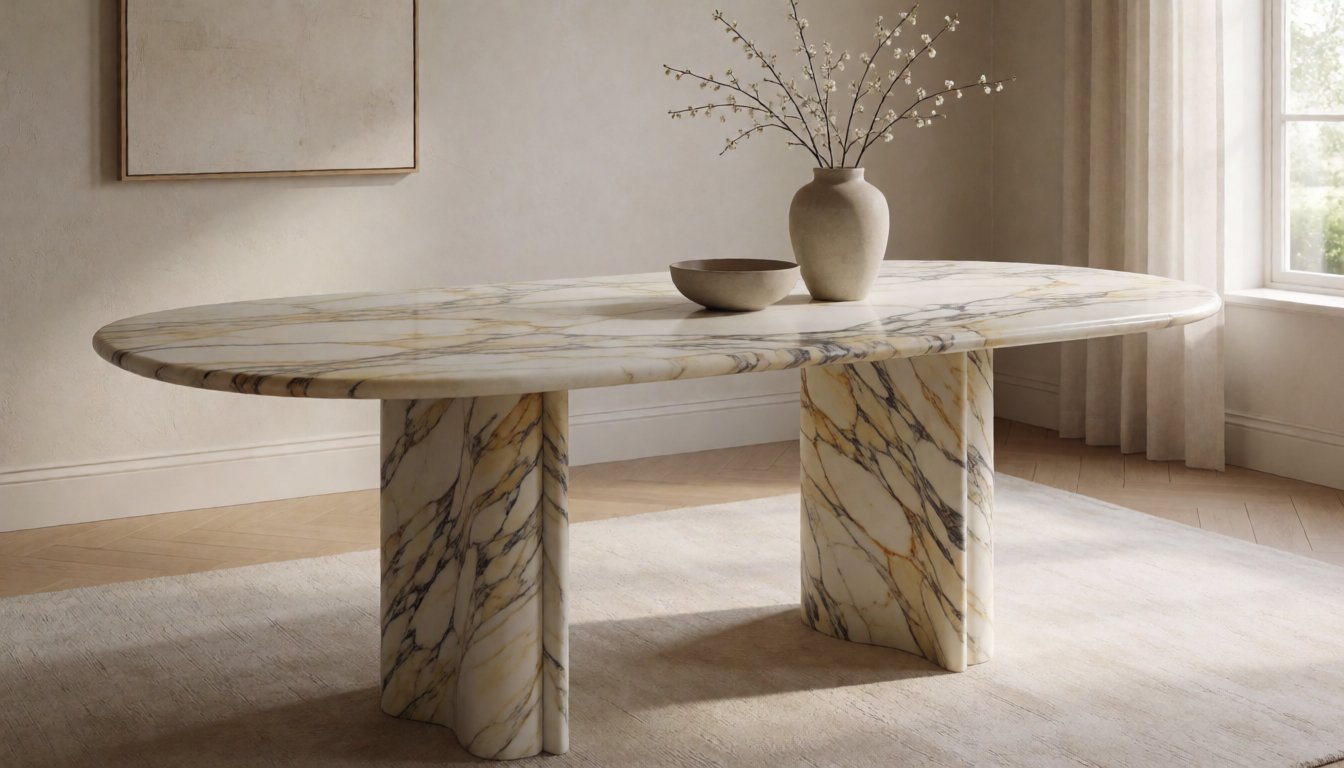
Sourcing natural stone furniture for your online store or physical showroom requires more than just finding low base costs. You need to understand where the profit actually lives in a supply chain that moves from quarries in Italy and China to Shopify storefronts in New York, London, or Toronto. At Gladystone, we deal with thousands of dropshippers and white-label brands daily, so we know exactly what happens when you ask about stone decor wholesale margin structures. The short answer is: it varies wildly based on material rarity, finish complexity, and your order volume.
A typical marble slab costs significantly less per square foot in China than the finished vanity or sink sold to a US customer. However, once you factor in logistics, customs duties (usually 2-6% for stone), shipping insurance, and breakage risks during transit, those margins tighten quickly. For standard calcite or limestone pieces, retailers often see gross profit ranges between 40% and 55% after deducting COGS (Cost of Goods Sold). High-end marble like Carrara or Calacatta might push that to 60-70% if sourced directly from a factory with no middlemen. But do not assume every stone product offers the same upside.
How Material Rarity Drives Profitability
The biggest driver in your final pricing isn’t just the base price of the rock; it is how difficult and expensive that specific material is to source and finish. Common stones like travertine or standard granite offer lower upfront costs but also have thinner profit cushions because competition among suppliers drives prices down fast. If you are selling a basic white sink made from common limestone, your stone retail markup might need to be aggressive (60%+) just to cover the risk of returns and shipping losses.
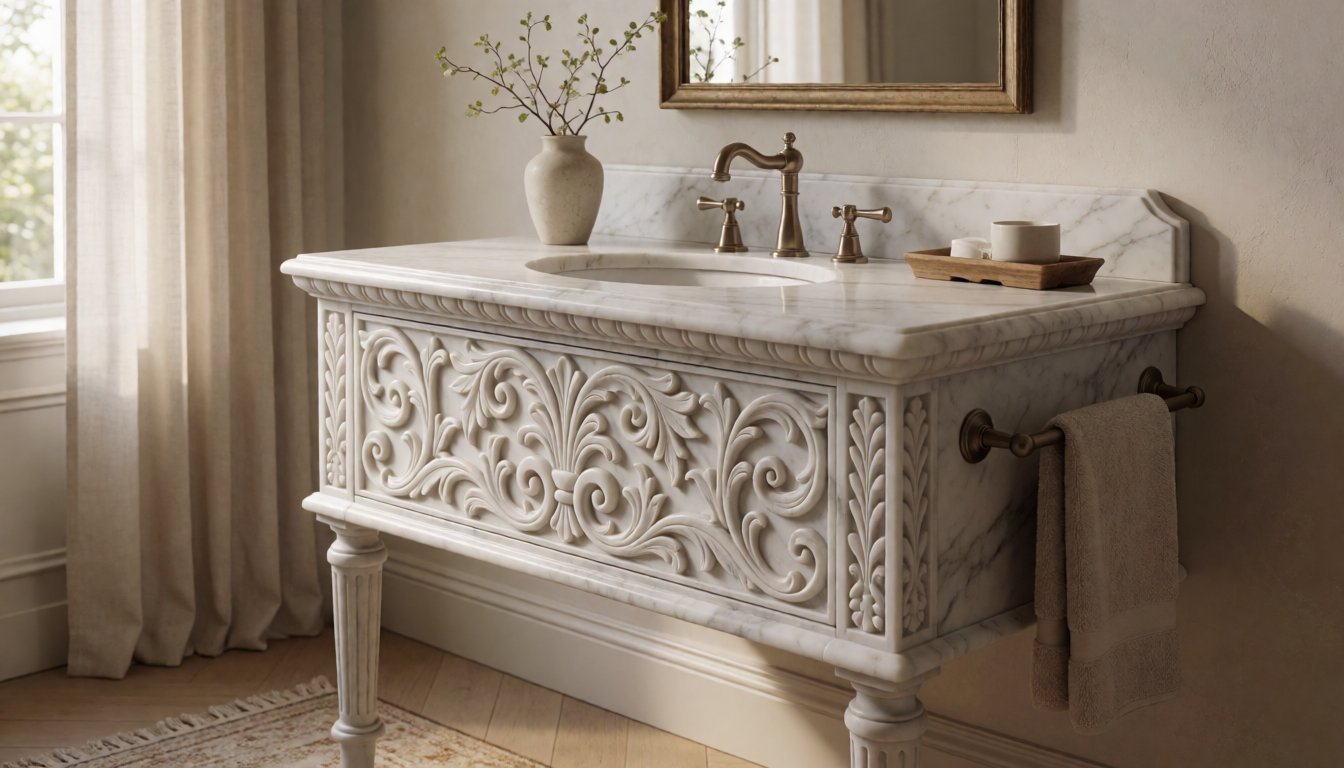
Rare materials change the math completely. Consider our Calacatta Gold bathtubs or veined marble dining tables. These items start with raw material costs that are inherently high due to quarry scarcity. When you add the labor-intensive polishing required for these specific veins, your stone decor wholesale margin naturally expands because fewer competitors can offer genuine product at those price points. A standard 120cm x65cm limestone side table might cost a factory roughly $45-$70 USD to produce depending on stone quality. That same item finished in high-vein marble could run you $350-$500+ as a wholesale unit, giving the retailer room to mark it up 2x or even 3x for end customers without losing money.
Always ask your supplier about their raw material sourcing stability before committing to a line of rare stone products. If they rely on a single quarry that has closed down due to environmental regulations, your supply chain breaks instantly. We at Gladystone maintain relationships across multiple quarries in Italy and China specifically to buffer these risks for our partners.
Realistic Cost Breakdowns by Product Category
To set realistic prices, you must look beyond the sticker price of a finished item like a dining table or bathroom vanity. You need to understand what goes into that cost before calculating your marble decor resale potential. Let’s break down typical landed costs and wholesale ranges for Gladystone-manufactured items serving US/EU markets:
- Custom Stone Sinks: A 30cm x45cm undermount sink made from quartz-filled resin or standard stone typically lands between $80-$120 USD FOB (Free On Board). Finished vanities with integrated sinks can range from $180 to $350 depending on the cabinet material and stone thickness.
- Bathtubs: Acrylic bathtubs are cheaper, but natural stone tubs command higher prices. A 74cm x162cm limestone or marble freestanding bathtub usually costs between $250-$450 USD at the factory gate for standard finishes. Deep vein marbles can push this to over $800 per unit.
- Fireplaces and Decor: These are high-margin items because they involve less logistics volume relative to price. A stone fireplace surround kit or a decorative bowl might have an FOB cost of just $45-$90 but sell for $200+ after shipping, allowing massive margin room if handled correctly.
- Dining Tables and Side Tables: A 180cm x90cm dining table slab with legs typically costs $300-$600 USD depending on stone thickness (usually 1.5cm or 2cm) and edge profile complexity (straight vs. ogee).
Remember that shipping heavy items adds a significant layer to your cost structure. A single limestone bathtub weighing roughly 80-90 kg incurs freight costs that can eat into margins if not calculated accurately. Always request an All-Inclusive Quote from Gladystone that bundles packaging, sea freight (or air for urgent samples), and insurance. Do not calculate margins based solely on the FOB price without accounting for these variables.
Strategic Sourcing Questions to Protect Your Margin
Before placing a bulk order with any supplier including us at Gladystone, you need clear answers on how quality control affects your bottom line. Poor finish work or hidden cracks in stone slabs lead to returns and refunds, which instantly destroy profitability regardless of what stone retail markup you originally planned. Ask these three critical questions:
“What is the rejection rate for natural stone defects?”
Natural stone comes with inherent variations like pits, veins, or fissures that cannot be polished out completely without wasting expensive material. If a supplier hides this fact until after shipment, you will face costly returns. Expect a standard defect tolerance of 2-5% in rough cuts; anything higher is risky for an e-commerce model where customer trust is fragile.“Can I approve sample finishes before mass production?”
Always order physical samples first (MOQ often just 1 piece). Inspect the color consistency, polish level, and edge smoothness personally or via high-res video call. A glossy finish on a marble table looks different than a matte one; do not guess based on catalog photos alone.“How does packaging protect against transit breakage?”
Stone is fragile during ocean freight handling. Proper vacuum padding, corner guards, and double-boxing are non-negotiable for heavy items like vanities or tubs. Ask if the supplier includes these in their price or charges extra per unit (typically $5-$10 USD). We at Gladystone include robust packaging by default, but you must verify it matches your destination’s handling conditions.
By asking these questions upfront, you filter out suppliers who prioritize low quotes over reliability. In B2B stone trading, a slightly higher base cost from a reliable partner often saves more money in the long run than a cheap supplier that causes frequent stockouts or returns.