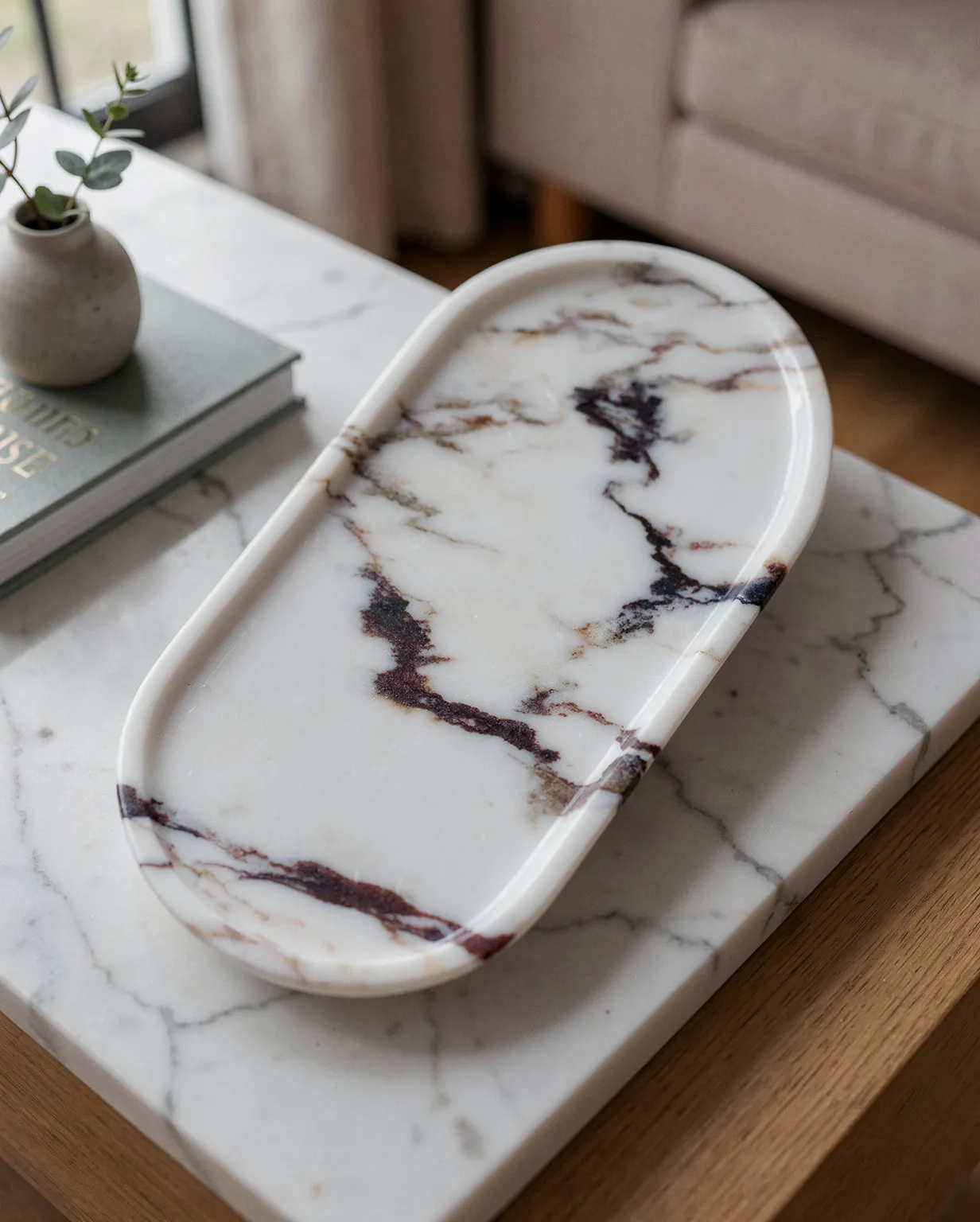
Importing natural stone requires more than just sending an order to China and waiting for shipping. As a buyer looking at suppliers like Gladystone or similar factories, your margin depends on the consistency of every slab you receive. A single defective sink can delay installation by weeks in the US market. This guide outlines ten specific checks before you approve any batch shipment. These steps cover everything from raw material selection to final packaging for stone sinks, bathtubs, and dining tables.
1. Verify Raw Material Consistency
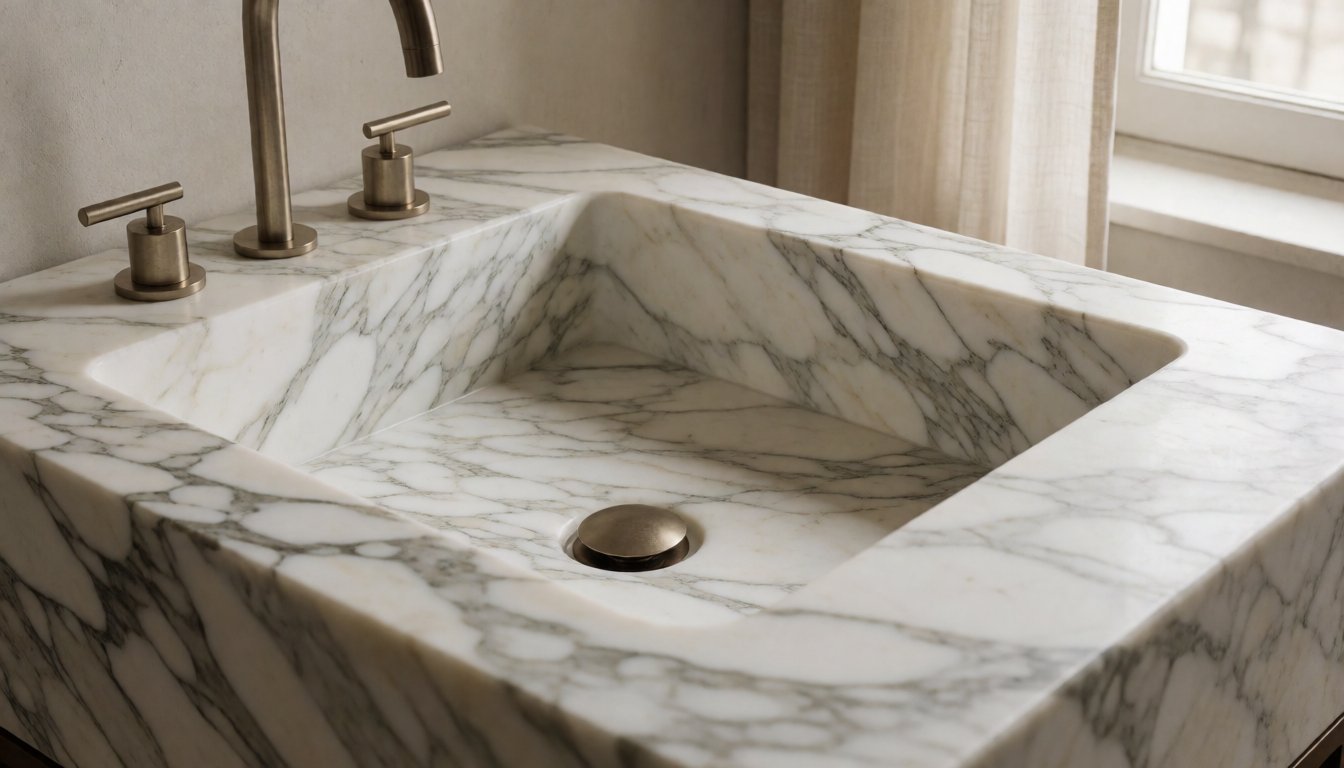
The foundation of your quality is the slab itself. Before production starts, request high-resolution photos or live video calls showing the current stock in the warehouse. Do not rely solely on catalog images. Check for natural variations that could affect color matching across a set order. For instance, if you are ordering 20 units of Calacatta marble vanities, ensure the grey veining pattern is consistent within your requested batch.
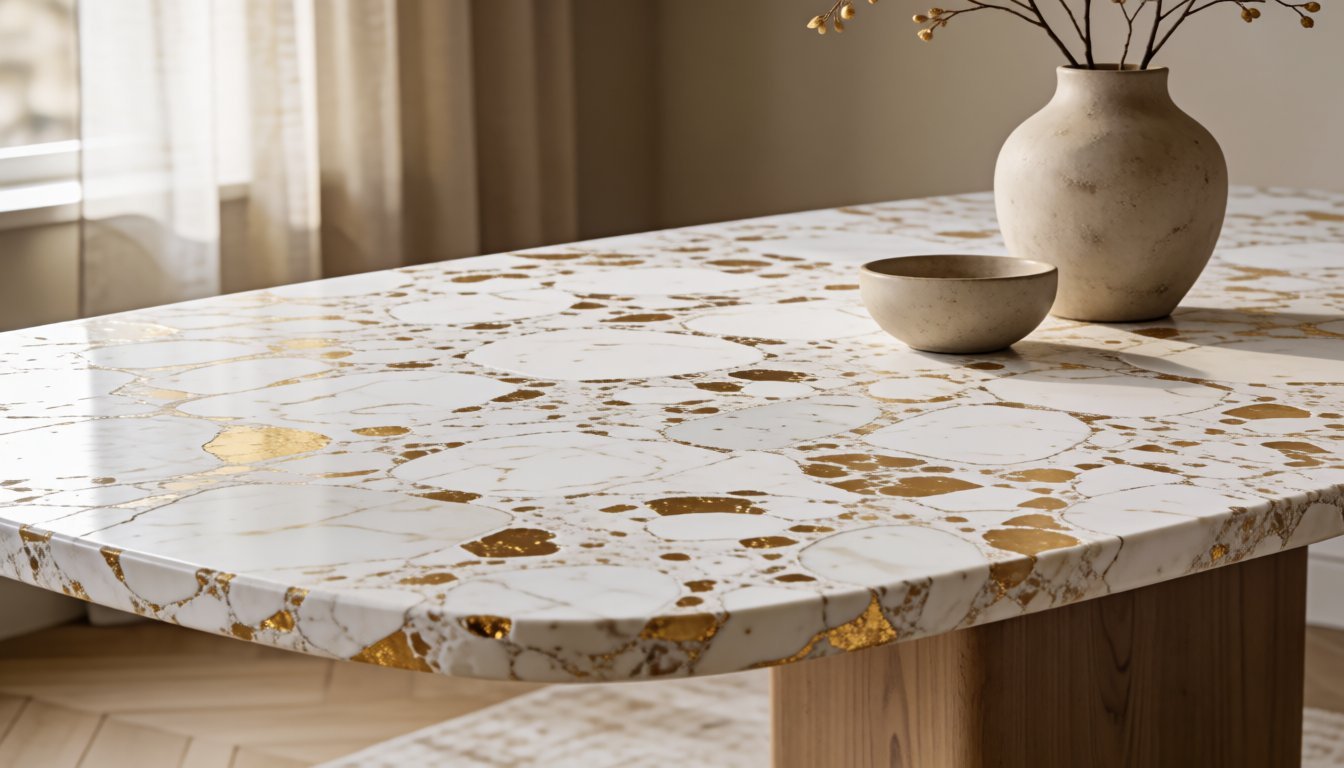
Ask the factory to segregate slabs by vein direction and background color. Mixing light and dark veins in one production run causes rejection rates at home. Confirm that they sort materials before cutting. If you need a specific white base with gold flecks for US interior designers, ensure this isn’t mixed with standard grey-white stock. This step prevents the embarrassment of receiving mismatched dining table tops where the center panel looks different from the end panels.
2. Inspect Polishing and Finishes
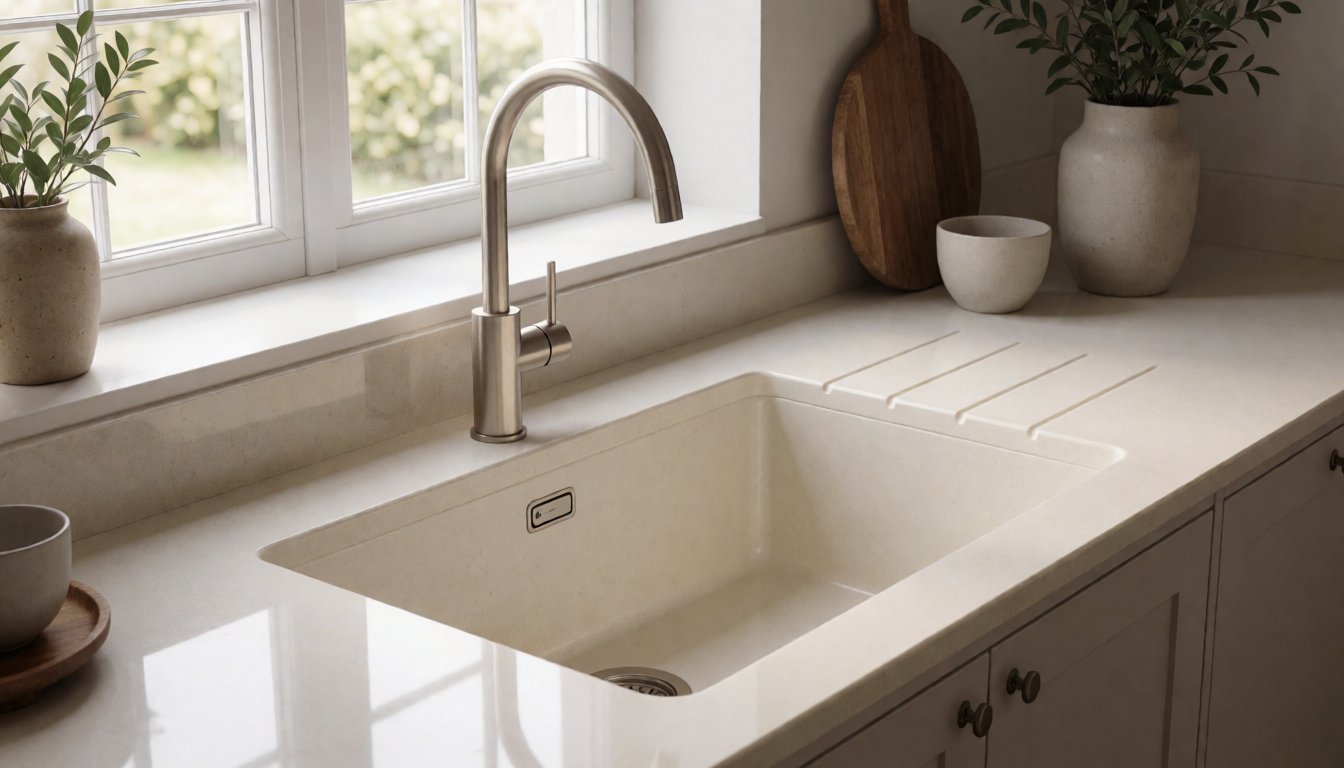
Natural stone comes in various finishes: polished, honed, leathered, or brushed. The factory must apply the correct finish to match your technical specifications. For a high-gloss kitchen sink made of quartz composite, check that there are no dull spots caused by uneven polishing wheels. A standard 24-hour curing time is often needed for chemical etching before final buffing.
Inspect edge profiles carefully. Whether you want an eased, bullnose, or ogee profile on a bathtub rim, the angle must be precise. Deviations of just two degrees can look sloppy upon installation. Request samples with these specific edges to compare against your production batch. Also, check for scratches left by conveyor belts during transport within the factory floor before sealing in boxes. These marks are often missed until they appear as white lines on a black countertop under showroom lighting.
3. Check Sink and Tub Drilling Accuracy
Drilled holes are critical failure points for stone sinks and vanities. Verify that drain hole centers align perfectly with plumbing standards (typically centered or offset by specific millimeters). For drop-in stainless steel bowls set into granite, ensure the cutout is clean without chipping around the edge where water could trap dirt.
Measure the depth of drilled holes against your drawings. A 10mm variance can prevent a faucet from fitting correctly. Check overflow hole locations for bathtubs; these often get overlooked during rush orders. Ask if they use CNC machines or manual drilling, as CNC offers tighter tolerances (usually under ±2mm). Request photos showing the underside of drilled sinks to ensure no excess stone dust is left inside the cavity, which can cause leaks later.
4. Review Surface Defect Standards
Natural stone will always have natural pits and imperfections, but commercial buyers need agreed-upon defect limits before approval. Define what constitutes a “passable” flaw in your contract. For example, accept small pinholes under 3mm on the backside of dining tables, but reject anything visible from above after polishing.
Discuss crack lines specifically. Hairline cracks running through large slabs for custom fireplaces or long vanities are unacceptable. Agree that any slab with a lengthwise vein wider than your tolerance threshold gets sorted into B-grade stock unless you approve it at full price. Set clear rules on color patchiness; if two adjacent sections of marble differ significantly, the batch fails quality control regardless of how beautiful each piece looks individually in isolation.
5. Assess Edge Sealing and Protection
Stone is porous before sealing. Even after impregnation with sealers like DuraSeal or similar products, edges remain vulnerable during shipping. Ensure the factory applies edge banding or protective tape on all sharp corners of bathtubs and tables meant for long sea voyages.
Check that drilling sites are sealed immediately to prevent water ingress leading to rust in metal fixtures later. For outdoor fireplaces exposed to rain, verify they use epoxy resins specifically rated for UV resistance. Poor sealing leads to staining within months when a customer spills wine on a dining table top. Ask the factory to document their sealing process timeline; typically, application and curing should happen no more than 48 hours before packaging if possible.
6. Validate Packaging and Weight Limits
How you pack determines how much damage arrives at your warehouse in Europe or America. Standard export cartons for stone sinks usually weigh between 20kg to 35kg depending on thickness (e.g., 1cm vs 2cm slabs). Exceeding this weight risks crushing the bottom item if pallets are stacked too high by freight forwarders.
Request corner protectors made of foam or molded pulp for every unit. These absorb shock during truck loading and unloading in China ports. Ensure cartons have clear “Fragile” labels facing outward so warehouse staff handle them gently. For large dining tables, confirm the use of air pillows between layers instead of loose bubble wrap which can shift. Check that carton dimensions allow for standard Euro-pallet stacking without overhangs exceeding 10cm per side to prevent tipping accidents at destination docks.
7. Confirm Documentation Accuracy
Incomplete documentation causes customs delays and rejected shipments. Every package must include a commercial invoice listing exact HS codes (usually starting with 68 or 94 for stone products). Verify that packing lists match the physical count down to the last piece number on your tracking sheet.
Ensure certificates of origin are issued correctly if claiming duty reductions under trade agreements like RCEP or USMCA depending on material sourcing. For white-label brands, double-check that no other brand logos appear inadvertently stamped into stone surfaces during handling. Request a certificate of conformity stating compliance with REACH regulations for chemicals used in sealing and polishing processes required by EU importers.
8. Evaluate Lead Time Buffering
Rushing orders often compromise quality checks. A typical production cycle for custom vanities runs roughly 15-20 days after deposit, while standard sinks take about 7-10 days depending on stock availability. Always build a buffer of at least one week into your timeline before approving payment against shipment documents.
Ask the factory to notify you immediately if any slab is found defective during final inspection prior to boxing. Do not accept partial shipments unless pre-negotiated, as this disrupts inventory planning for dropshippers who sell online daily. If a batch needs re-polishing due to dull spots discovered late in production, factor that extra 3-5 days into your delivery estimate before promising dates to US customers.
9. Test Color Matching Samples
Colors shift under different lighting conditions between factory floors and client showrooms. Before mass producing an order of fireplaces or decorative tiles based on a specific shade like “Antique Brown,” approve physical samples first. Send these back for comparison against your existing inventory in the US market.
Document exact RGB values if possible, though natural stone makes perfect digital matching impossible due to quarry variations. Agree that color tolerance is within ±15% deviation from approved sample photos. If a new batch arrives slightly cooler or warmer than expected without meeting this margin, reject it immediately rather than trying to sell mismatched units at a discount later which hurts brand reputation among interior designers who demand precision.
10. Establish Return Policy Clarity
Even with strict QC processes, damage happens during transit from Chinese ports to US warehouses. Define your return policy clearly before placing large orders exceeding $5,000 worth of goods. Agree on a threshold where you can request replacements for damaged items without paying full freight back charges if the defect rate exceeds 2%.
Specify that minor scratches may be repaired locally while major structural cracks require factory replacement via air cargo or consolidated sea shipment at supplier cost. Clarify who pays insurance premiums; typically, CIF terms mean Gladystone covers marine insurance up to a percentage of declared value. Ensure contracts state clearly how disputes over latent defects (like internal water pockets) are handled after 30 days once installed by third-party installers in client homes.
FAQ
What is the typical defect tolerance rate for stone sinks?
Most reputable factories accept a defect rate between 2% to 5%, but this varies significantly based on product type and finish requirements. For high-end vanities or custom dining tables, buyers often negotiate stricter limits below 3%. Always define acceptable flaws in your technical agreement before production begins rather than assuming industry standards apply universally without discussion.
How long does the polishing process take for marble bathtubs?
Polishing large stone surfaces like bathtub rims typically requires 24 to 48 hours depending on slab thickness and initial roughness after cutting. High-gloss finishes may need multiple passes of progressively finer diamond grits, extending total time closer to three days including curing intervals between steps before final buffing is complete for maximum clarity reflection free from streak marks visible under showroom lights.
Should I pay extra insurance beyond standard CIF terms?
While Gladystone or other suppliers usually provide basic marine coverage under CIF contracts covering transit risks up to 100% of invoice value, additional cargo insurance policies can be purchased separately through your own broker for enhanced protection against theft claims during trucking from port to inland distribution centers where carrier liability limits remain low regardless of declared goods values.
Quick Comparison
| Feature | Standard Stock Sinks/Tables | Custom Cut Vanities/Tubs | Fireplaces & Decor Items |
|---|---|---|---|
| Typical Lead Time | 7-10 days from deposit | 25-35 days including design approval | 40-60 days due to complex assembly needs |
| MOQ Quantity | Usually 5-10 pieces per color/slab pattern | Often 1 piece but higher unit price applies | Typically 2+ units depending on size specs |
| Defect Tolerance | Up to 8% acceptable for B-grade stock only | Strict under 3%; rejects sent back immediately | Flexible due to artistic nature of veining patterns |