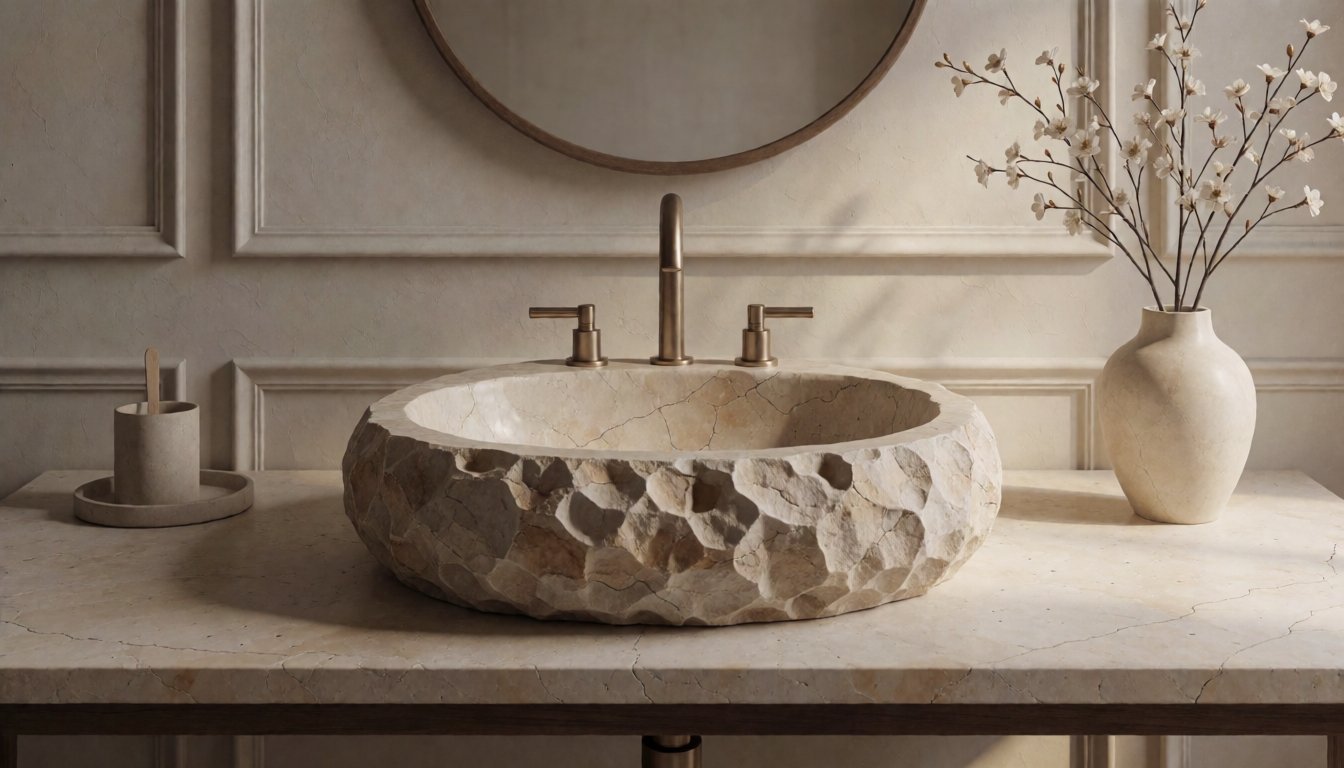
When you source stone sinks from a factory like Gladystone, your primary role shifts from installer to quality controller. You are not just buying a basin; you are buying the assurance that the product will survive shipping, customs, and a professional installation environment in the US or EU without cracking or leaking. Understanding the technical requirements of stone sink installation protects your customers from costly returns and ensures your brand reputation remains intact. This guide breaks down the critical variables: plumbing configurations, mounting hardware specifics, and clearance measurements that determine whether an order meets buyer expectations.
Understanding Mounting Types and Weight Constraints
The first decision point in any project is the mounting style. At Gladystone, we typically produce three main categories: undermount, top-mount (drop-in), and vessel sinks. Each has distinct weight profiles and structural requirements that you must communicate to your installers or customers.
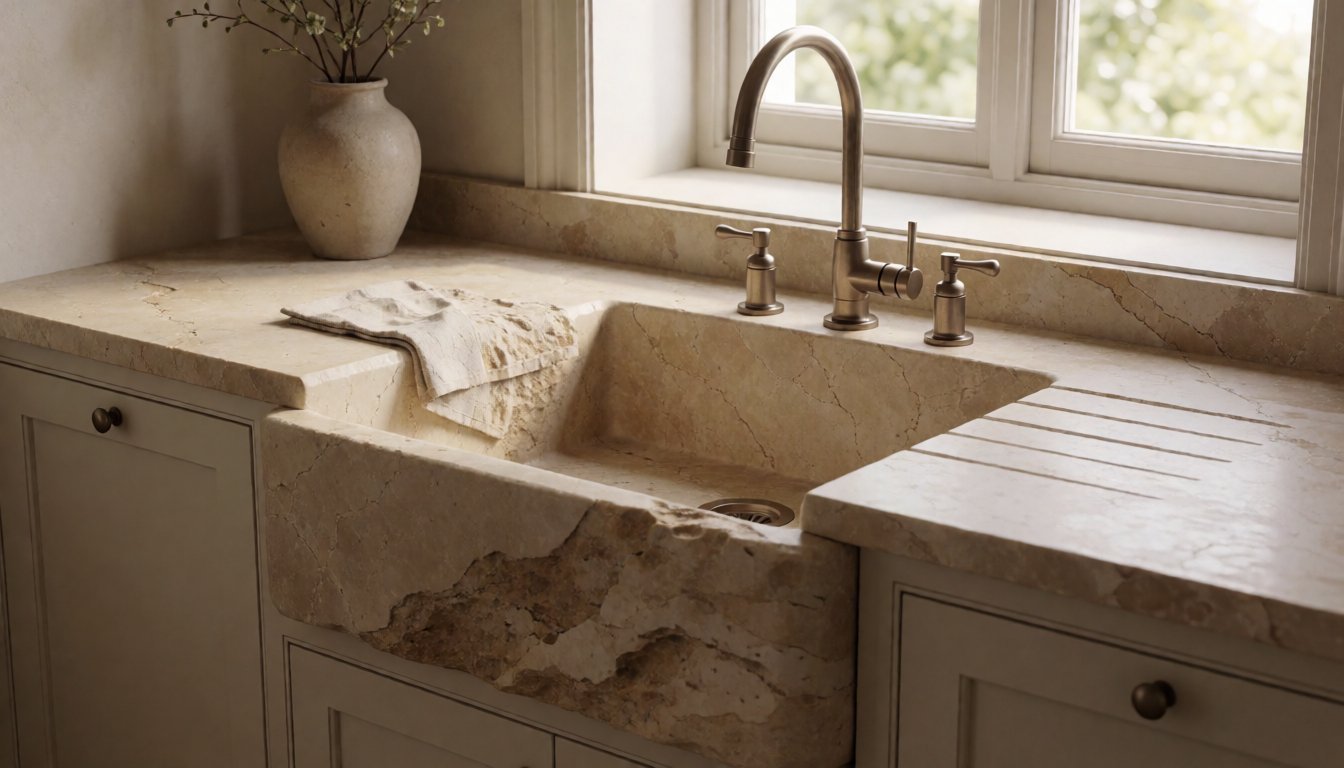
Undermount basins are generally the heaviest due to the thick rim required for structural integrity during transport. A standard granite or quartzite double-bowl sink might weigh between 45 kg and 60 kg (99–132 lbs). This weight demands a sturdy cabinet base, usually at least 24 inches deep. If you sell these to DIYers, your product descriptions must explicitly warn about structural limits. For wholesale clients building custom kitchens, specify that the countertop material must support this load without flexing, as vibration can cause micro-fractures in stone.
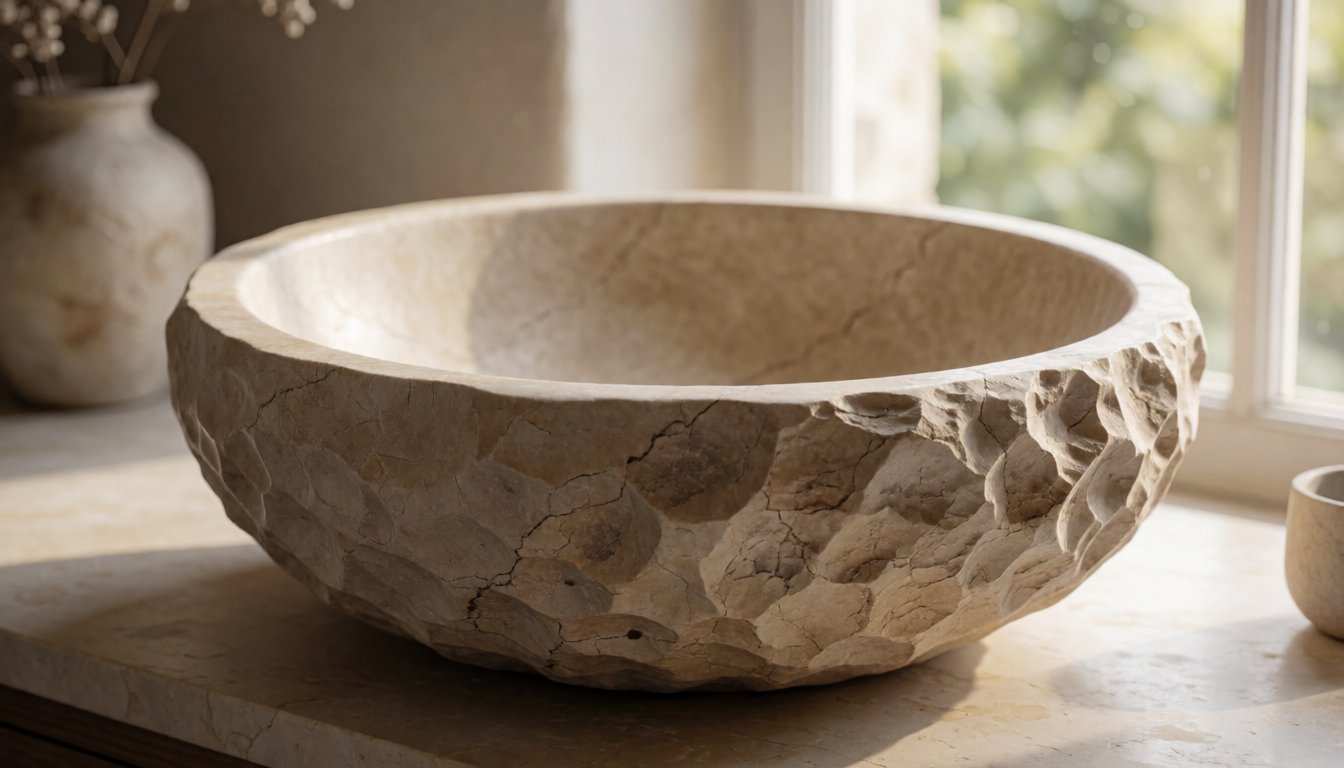
Top-mount sinks are lighter but require a precise cutout. The rim acts as a waterproof barrier, adding roughly 2–3 cm to the cabinet depth requirement. Vessel sinks sit entirely on top of the counter. While aesthetically popular for luxury bathrooms, they add significant vertical height (often 15–20 cm above the rim) and weight concentration at a single point. When sourcing vessel options, ask for reinforced base designs if the order involves large basins over 80 cm in diameter.
Plumbing Depths and Vessel Sink Plumbing
Correct vessel sink plumbing is often overlooked until water damage occurs. The trap height is critical here. For standard undermount or drop-in sinks, a P-trap depth of roughly 15–20 cm below the rim is typical. This allows sufficient drainage slope without exposing pipes to excessive stress.
Vessel sinks present a different challenge. Because they sit on the counter, the plumbing must connect directly beneath the drain hole in the countertop. The drain assembly usually includes a specialized bushing that clamps onto the stone edge. If the countertop is thin (less than 2 cm), this can lead to leaks around the sealant line. Always request samples of your vessel sinks with pre-installed drainage flanges if you are targeting high-end markets where leak warranties are mandatory.
For double-bowl configurations, ensure the divider wall is thick enough to support two sets of plumbing connections without sagging. Typical divider thicknesses range from 2.5 cm to 3.5 cm. Thinner dividers often crack during installation if the cabinet frame shifts. When negotiating with your supplier, ask for reinforced internal ribs in the divider section if you are ordering large, heavy stone slabs that will be cut into double-bowl shapes.
Countertop Clearance and Cutout Specifications
Clearance is the most common source of returns when sourcing from overseas. An importer must verify cutout dimensions before a sink reaches your warehouse. For undermount sinks, the standard cutout usually sits about 1–2 cm smaller than the outer rim dimensions. This gap allows for silicone sealing and accounts for slight countertop unevenness.
If you specify a vanity depth of 60 cm, the sink cutout must be precise to avoid interfering with adjacent drawers or soft-close hinges. Typical clearance between the sink rim and cabinet side walls should be at least 2–3 cm to facilitate removal and reinstallation if needed. For vessel sinks, the counter thickness is paramount. A countertop thinner than 1.5 cm often cannot support the clamping force required for the vessel drain assembly.
When reviewing CAD drawings or PDF specs from Gladystone, look for “cutout tolerance” notes. A tolerance of ±0.5 cm is standard but can cause issues in tight European kitchens where millimeter precision is expected. Always advise your customers to measure their existing cabinetry before ordering. If a sink arrives with a cutout that is even 1 mm too large for a pre-cut hole, the sealant line will show through, ruining the aesthetic finish of natural stone like marble or travertine.
Hardware Requirements and Shipping Damage Prevention
The mounting hardware supplied with stone sinks varies by style. Undermount kits typically include brackets, clamps, and heavy-duty silicone adhesive. Top-mount kits focus on rim clips and overflow plugs. Vessel sets often come with a specific drain flange kit. As an importer, verify that the hardware is galvanized or stainless steel to resist moisture corrosion, especially in coastal regions of the US or EU.
Shipping damage is a major cost driver. Stone sinks are prone to chipping at the rim corners during transit. Request reinforced packaging with corner protectors for all orders over 50 kg. For vessel sinks, ask if the manufacturer offers a double-box system where one box slides inside another to prevent movement. Weights exceeding 60 kg usually require palletized shipping with strapping, which increases freight costs but reduces breakage risk.
Always inspect the packaging for dampness upon arrival. Stone is porous in some varieties like travertine or limestone. If water gets trapped inside cardboard boxes during ocean freight, it can stain the underside of the sink before installation. This is a silent killer for your reputation. Request photos of the packaging condition from the shipping agent and include these clauses in your purchase agreement to shift liability if water damage occurs pre-installation.
Cost Drivers and Material Variations
Pricing for stone sinks fluctuates based on stone type, finish, and complexity. Granite typically ranges from $150 to $300 per unit depending on the color rarity and slab size. Quartzite is often 20–30% more expensive due to higher durability requirements during manufacturing. Marble and travertine fall in a similar range but require more careful handling due to their softer nature.
Finish choices impact cost as well. A honed finish may add $10–$20 to the unit price compared to a polished finish, but it is more forgiving for high-traffic commercial spaces. If you source custom colors or veining patterns, expect lead times of 30–45 days rather than the standard 14–21 days for stock items. Custom edge profiles (e.g., bullnose vs. eased) also add to the manufacturing time and cost.
Ask your supplier about bulk discounts for orders exceeding 50 units. While unit prices might drop by 5–10%, shipping costs often remain fixed or increase due to volume weight limits. Always calculate the total landed cost including duties, insurance, and potential customs delays. For EU markets, ensure the stone meets REACH regulations regarding heavy metal content in pigments used for colored stones.
Customer Education and Warranty Management
As a distributor, your value lies in educating end-users. Provide clear installation manuals that specify maximum cabinet depths and minimum countertop thicknesses. If a customer ignores these specs, they risk damaging the sink or causing water leaks. Offer video tutorials showing how to apply silicone properly around the rim to ensure a watertight seal.
Warranty terms often hinge on installation quality. Most factories offer a 5–10 year warranty against cracking and staining, provided the sink was installed according to their guidelines. If a sink cracks because the customer placed too much weight on it (e.g., leaning on the rim), the warranty may be voided. Draft standard disclaimer forms for your website that state these conditions clearly.
Encourage your retail partners to inspect the stone surface for hairline cracks before finalizing the sale. Minor chips can often be polished out, but structural cracks are non-negotiable. Train your team on how to identify “natural fissures” versus manufacturing defects. Natural stones like marble may have veins that look like cracks; educate customers to distinguish these from actual weaknesses in the material structure.
FAQ
What is the typical lead time for custom stone sinks from a Chinese factory?
Lead times typically range from 14 to 21 days for standard stock colors and finishes. For custom colors, specific veining patterns, or complex shapes like deep apron fronts with integrated drainboards, expect a timeline of 30 to 45 days. These durations include production time in the factory plus ocean freight preparation. Always factor in an additional buffer of 7–10 days for customs clearance in the US or EU, especially if documentation is incomplete.
Can I mix different stone types in a single order from one supplier?
Yes, but it affects pricing and logistics. Mixing marble with granite in one container is possible, but you must specify packaging requirements carefully to prevent scratching softer stones against harder ones during transit. This often requires separate crates or heavy separation layers. Costs usually increase by 5–10% due to the need for specialized packing materials and handling instructions. Confirm that your supplier has inventory available for both types before placing the order to avoid delays.
How do I handle water damage claims if a sink arrives wet?
Inspect every package immediately upon delivery. If you find dampness or mold inside the packaging, document it with photos and timestamps within 24 hours. Contact your freight forwarder and the supplier immediately. Most reputable factories like Gladystone have insurance coverage for water damage during transit. Keep your original invoice and packing slip handy to claim compensation. Do not attempt to dry out a wet stone sink yourself, as this can cause cracking; return it to the supplier if it is visibly compromised.
What are the minimum order quantities (MOQ) for new brands?
MOQs vary by product category. Standard sinks often have an MOQ of 10–20 pieces per color or style for dropshippers looking to test the market. For private-label branding where you want custom logos etched into the stone or specific packaging designs, MOQs usually start at 50–100 units. Some factories offer “less than container load” (LCL) shipping options for smaller orders, which can increase per-unit shipping costs by roughly 15–20% compared to full container loads (FCL).
Is there a difference in warranty between domestic and imported stone sinks?
Domestic US/EU sinks often carry 5-year warranties with local repair centers. Imported stone sinks from China typically offer similar 5–10 year warranties against manufacturing defects, but the claims process can take longer. You act as the intermediary; if a claim is filed, you must coordinate between the customer and the factory. Ensure your contract with the manufacturer outlines response times for warranty claims, ideally under 7 days for initial assessment.
Quick Comparison
| Feature | Undermount Stone Sink | Top-Mount (Drop-in) Sink | Vessel Stone Sink |
|---|---|---|---|
| Typical Weight | 45–60 kg (99–132 lbs) | 30–45 kg (66–99 lbs) | 20–40 kg (44–88 lbs) |
| Countertop Depth Req. | Standard (24″ min) | +2–3 cm depth needed | Standard, but high profile |
| Mounting Hardware | Brackets & Silicone Adhesive | Rim Clips & Overflow Plug | Drain Flange Kit |
| Best For | Modern Kitchens, High Traffic | DIY Installations, Budget Builds | Luxury Bathrooms, Vanity Tops |