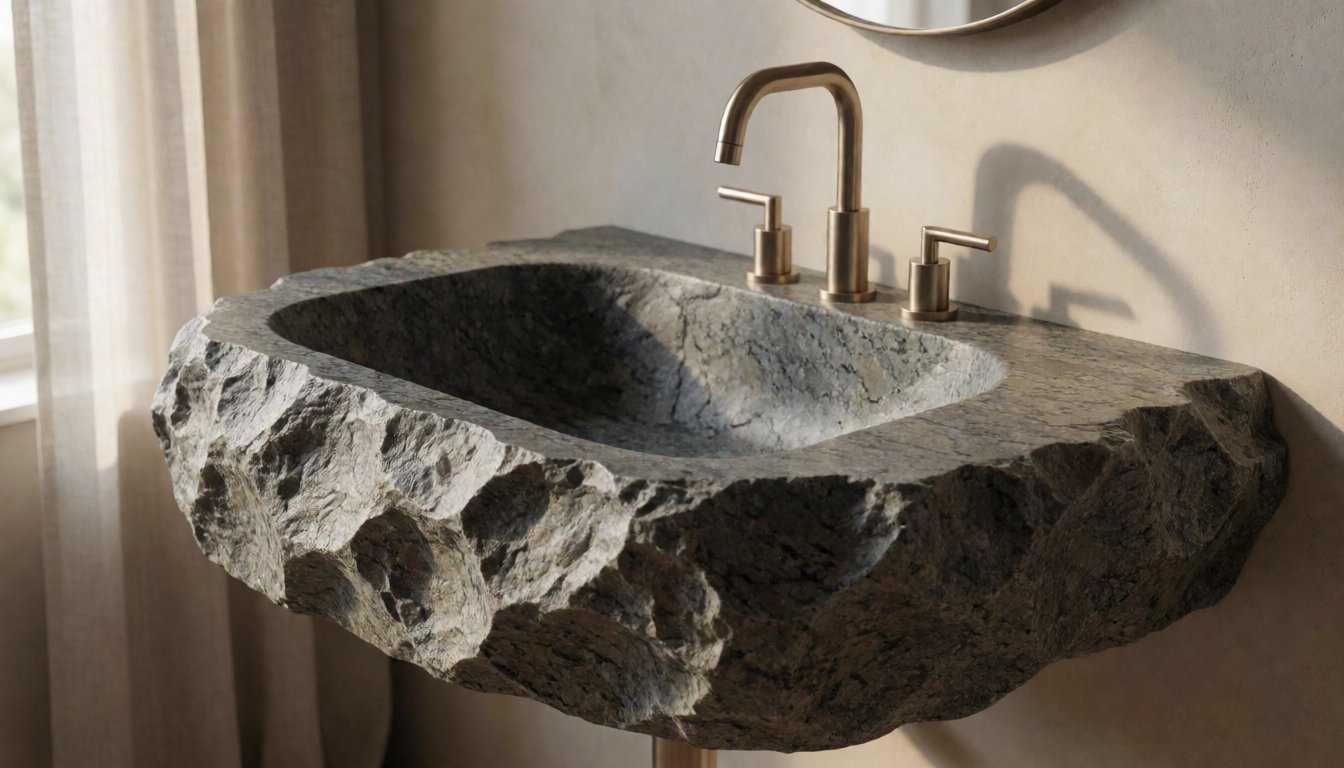
When you request a price for custom stone sinks or bathtubs from an overseas factory like Gladystone, the initial quote is rarely the final expense. Many importers assume that once they sign off on a design, the cost is fixed. In reality, three specific line items—design fees, tooling charges, and minimum order quantities (MOQ)—can drastically alter your bottom line if you do not factor them in early. Understanding these costs transforms how you negotiate with suppliers like us, allowing you to build accurate landed costing models for your Shopify store or wholesale catalog before the stone even leaves our workshop floor.
The Hidden Expense of Stone Tooling Fees
The most common shock for new buyers is the stone tooling fee. Unlike CNC-machined acrylic sinks that cost $20–$45 in molds, natural granite and quartzite require custom waterjet cutting patterns or resin filling for veins to match a specific client request. If your design requires unique edge profiles, internal basins carved into solid slabs, or complex hole placements not found in our standard inventory, we must machine new templates.
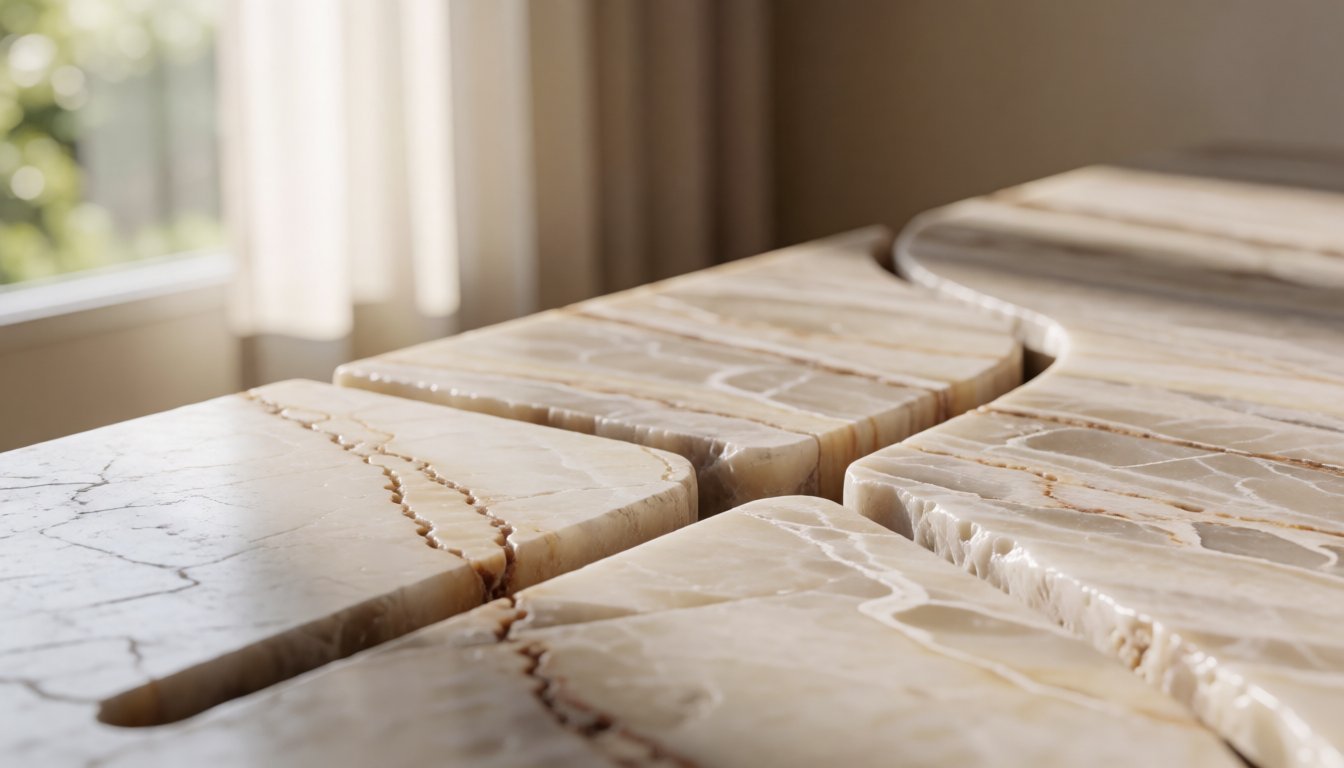
For simple modifications—such as changing an undermount cutout from 14 inches to 16 inches—the tooling fee might be roughly $50–$80 USD per sink size. However, if you request a custom shape that deviates significantly from our standard catalog (e.g., a waterfall edge on a vanity top or a specific organic river rock finish), expect the stone tooling fee to range between $120 and $300 depending on complexity.
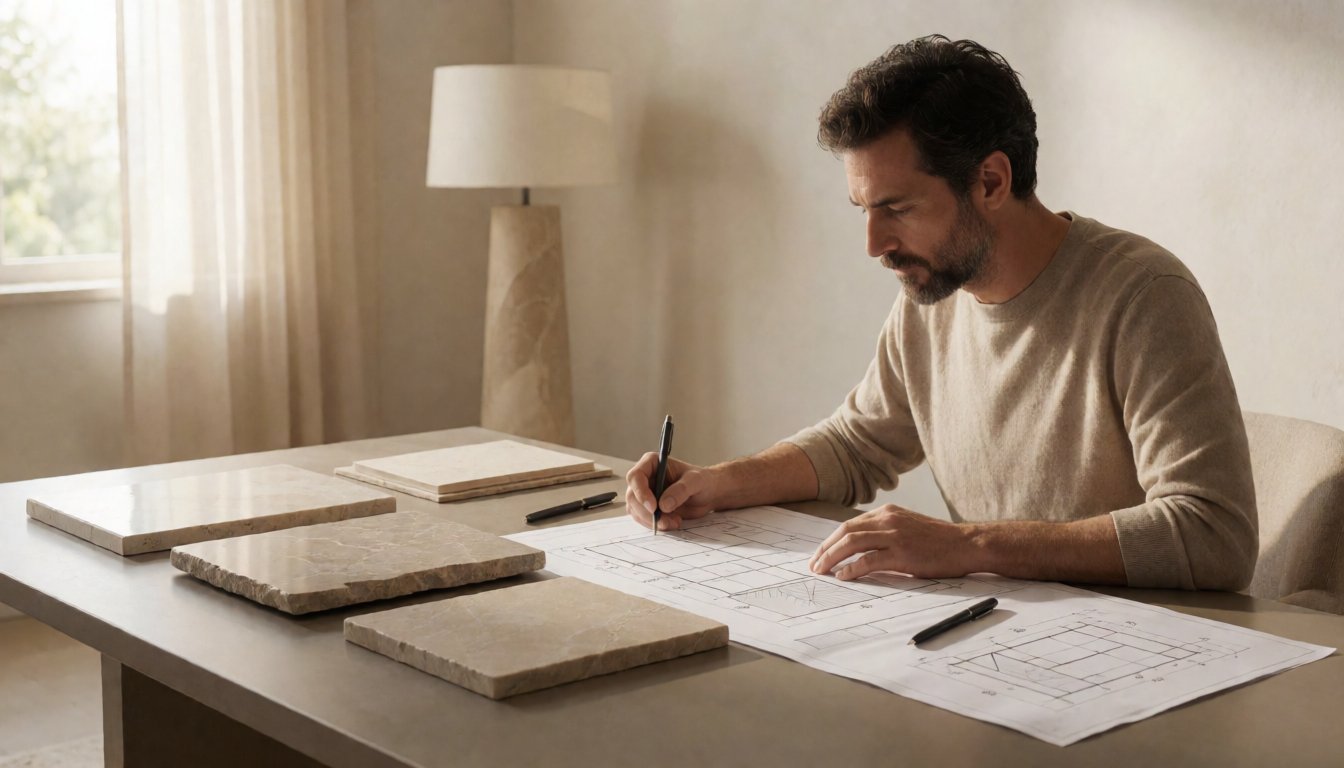
This cost is non-negotiable for natural stone because every slab has unique veining patterns. We cannot simply replicate an existing mold; we must cut the pattern into a new CNC file or create specific resin inserts that align with your selected slab’s veins. If you are ordering small batches, this upfront investment can make a low-volume order prohibitively expensive compared to off-the-shelf inventory. Always ask for a breakdown of these fees before placing an order to determine if you have budgeted enough capital in the first place.
Design Fees vs. Standardization Strategies
Beyond tooling, there is often confusion regarding design fees. At Gladystone, our standard practice encourages buyers to utilize existing catalog designs that can be finished with different edge profiles or resin fills. When a buyer submits a design that requires custom engineering outside of our standard library—such as integrating a specific plumbing fixture hole into an irregularly shaped basin—we may apply a separate custom stone cost premium for the engineering time required by our technical team.
For interior designers working on high-end residential projects, this can add up quickly. If you need ten sinks with slightly different shapes but all requiring custom resin fills to match specific marble veins, we might group these orders to share tooling costs efficiently. However, if every unit is a unique shape, the custom stone cost per piece increases significantly because our production line must stop and reconfigure for each variant.
To manage this, experienced importers often adopt a “semi-custom” strategy. We offer standard shapes (like rectangular or oval basins) in sizes ranging from 45cm to 70cm wide with depths between 18cm and 25cm. By selecting these standard forms and customizing only the finish color or edge style, you can often waive design fees entirely. This approach keeps your marble MOQ cost low while still offering your customers a sense of exclusivity through unique resin coloring options.
How Minimum Order Quantities Impact Margins
The third pillar of budgeting is the Minimum Order Quantity (MOQ). For natural stone, we typically set an MOQ between 10 and 25 pieces per design or color combination for standard sizes. This threshold exists because shipping containers have cubic volume limits, not just weight limits. A single large slab weighs roughly 30–45kg depending on dimensions like a standard vanity top (approx. 80cm x 60cm), but the air space around it is expensive to ship via sea freight.
If you order fewer than our MOQ threshold for a custom stone cost project, we generally have two options: increase your unit price by roughly 15–25% or combine multiple designs into one container shipment. For example, if you are launching a new collection on Shopify and need only five custom quartzite sinks to start testing the market, forcing us to ship them in a full 40-foot container with empty space would raise your landed cost per unit from roughly $180 (FOB) to over $350 once freight is included.
This dynamic directly affects your marble MOQ cost. When you hit higher volume tiers—say, ordering 60 units or more—we can negotiate better freight consolidation rates and often reduce the tooling fee as a lump-sum credit rather than per unit. This structure rewards buyers who plan their inventory carefully but punishes those attempting “drop-ship” models with single-unit orders without understanding container economics.
Strategic Questions for Your Supplier Call
Before you send your first inquiry, prepare specific questions to get an accurate quote from us or any other manufacturer:
1. Does this design require a new tooling file, or can it be adapted from our existing CNC library?
2. If I combine five different custom sizes into one container order, what is the most cost-effective grouping strategy?
3. What is your policy on waiving stone tooling fees if we commit to an annual purchase volume of over $50,000 USD in natural stone products like vanities and fireplaces?
By addressing these factors early, you avoid unpleasant surprises when the proforma invoice arrives. Remember that while our base prices for items like a 60cm granite sink are competitive—often ranging from $120 to $250 FOB depending on thickness—the total custom stone cost includes design, tooling, and logistics complexities. Transparent communication about your intended volume and design flexibility is the key to securing fair pricing that protects your profit margins while delivering premium quality products to your US or EU customers.