When you receive an email with a stone export quote from a factory in China, it often looks simple on the surface. It lists a price per square foot or linear meter and promises delivery dates. However, for serious importers sourcing sinks, bathtubs, dining tables, or fireplaces, that single number rarely tells the whole story. Misunderstanding what is included—or excluded—can turn a profitable order into a financial nightmare once shipping customs duties, and hidden costs hit your bottom line. As a buyer looking to stock up on natural stone furniture for your US or EU market, you need to dissect every component of the marble supplier quotation before signing off.
The FOB Foundation and Hidden Logistics Costs
Most Chinese suppliers will provide an FOB (Free On Board) price. This is standard but requires specific knowledge from a buyer perspective. Under an FOB term, your cost covers the stone product itself, packaging materials like wooden crates or foam inserts, inland transport to the factory gate, loading onto the vessel at the origin port, and export customs clearance in China.
However, as soon as that container hits the dock in Los Angeles, Rotterdam, or Hamburg, the supplier’s responsibility ends instantly. You are left with a massive bill for ocean freight, insurance, destination-port handling charges (THC), trucking from the port to your warehouse, import duties based on HS codes like 681050 for stone sinks, and customs brokerage fees. If you buy an FOB stone price of $45 per square foot without calculating these downstream costs, your final landed cost could be nearly double what you expect. Always ask the supplier if they can provide a breakdown of their inland transport fee to verify it covers all steps up to the vessel’s rail car or truck.
Product-Specific Specifications and Lead Times
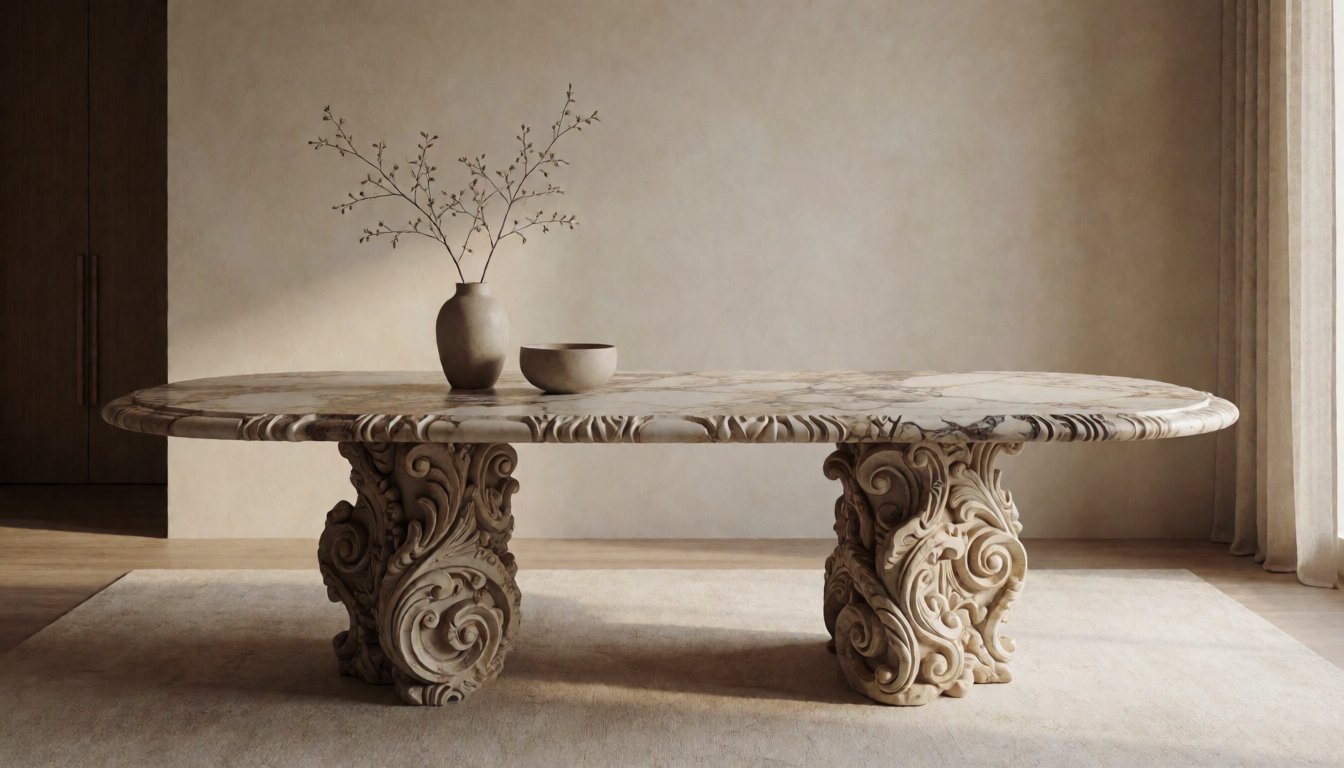
Not every stone slab is created equal, especially when moving from raw quarry stock to finished furniture pieces like vanities or dining tables. A generic price list ignores critical variables that affect both cost and quality control. When reviewing a quotation for bathtubs or fireplaces, ensure the quote specifies exact dimensions in millimeters rather than vague inch approximations.
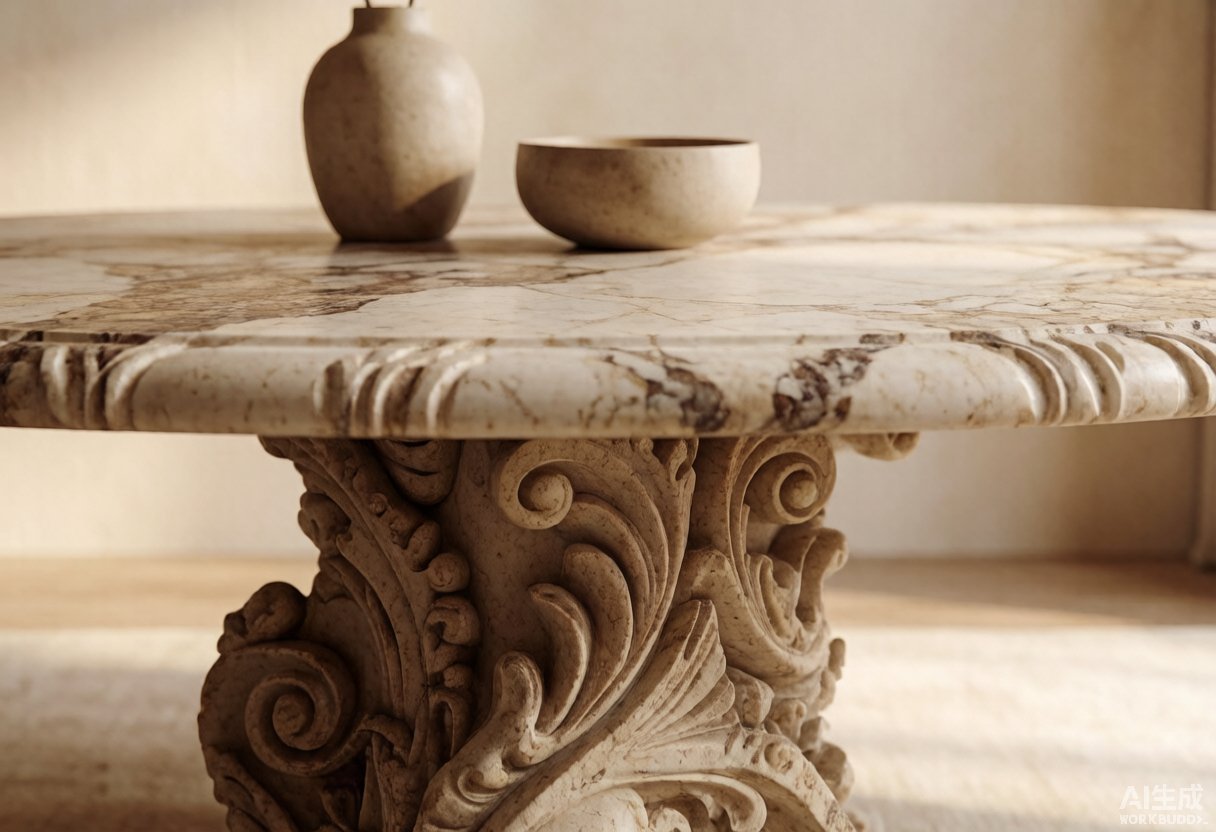
For example, a standard marble bathtub might range from 70 cm to 180 cm in length with weights between 25 kg and 90 kg depending on thickness. A dining table slab could span 3 meters by 2 meters but weigh over 400 kg once polished. If the quote does not explicitly state these metrics, you risk receiving a product that doesn’t fit your design specs or requires costly rework upon arrival. Furthermore, lead times vary wildly based on fabrication complexity. A simple vanity top might take 15 days to produce after payment, whereas custom fireplaces with integrated sinks could require 40+ days due to multi-step carving and sealing processes. Always confirm if the quoted price includes a sample fee for slabs or finished pieces before committing to bulk production.
Packaging Standards and Damage Liability
One of the biggest pitfalls in international stone trading is inadequate packaging that leads to breakage during ocean transit. Natural materials like granite, quartzite, and marble are heavy and brittle; they cannot survive rough handling without proper protection. A responsible supplier will include details about their packing protocol within the stone export quote. Look for mentions of corner protectors, internal foam supports between slabs or sinks in a container, and sturdy fumigation-free wooden crates that meet ISPM 15 standards.
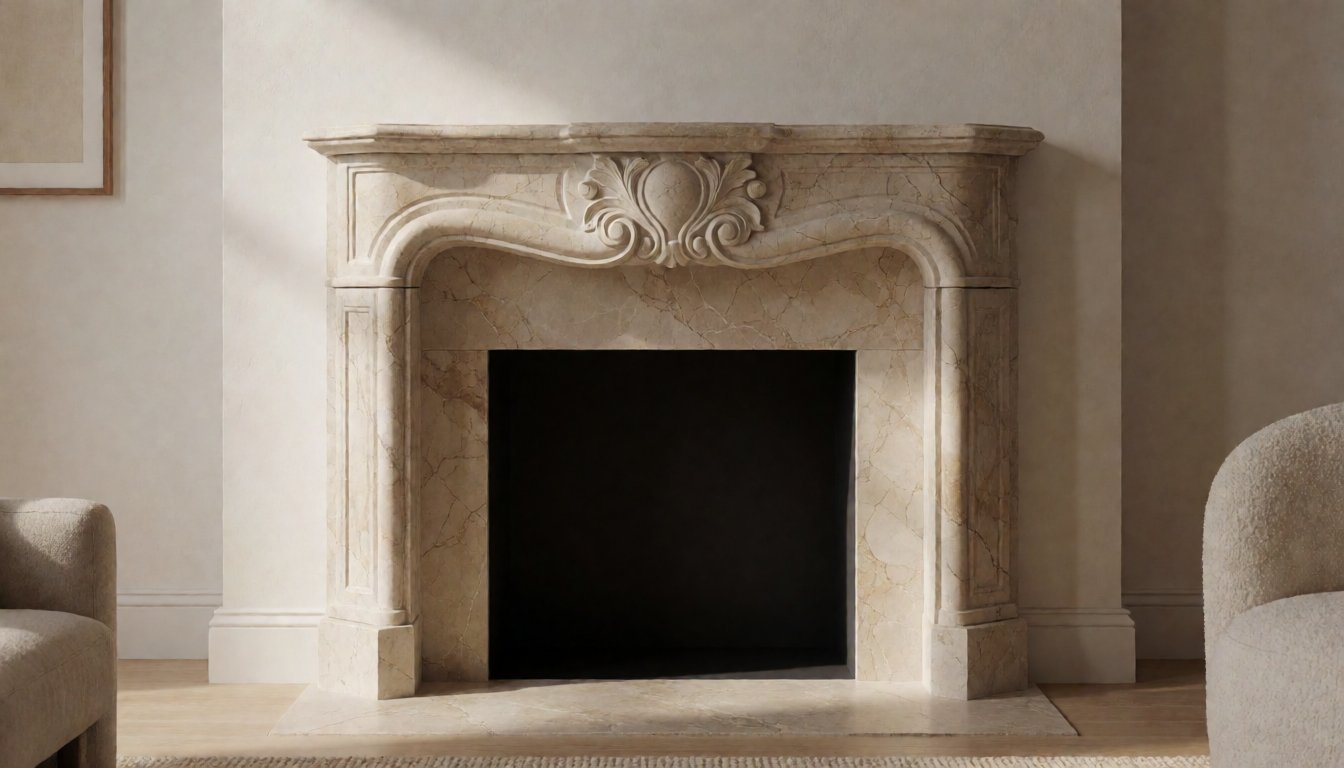
If your quotation lacks specific packaging descriptions, ask to see photos of how they secure heavy items like stone fireplaces (which can weigh over 200 kg) or deep soaking tubs during loading. Poor packing often results in chips on sink rims or cracks across large dining table surfaces once the container hits a truck ramp. Additionally, clarify who bears liability for damaged goods before delivery to your door. Does their insurance cover partial loss due to moisture damage inside containers? If they refuse to take responsibility beyond the port of discharge, you may end up paying for repairs that should have been prevented by better packing standards.
Payment Terms and Negotiating Leverage
Finally, scrutinize the payment structure attached to any marble supplier quotation. While many factories insist on 100% upfront deposit before production starts, this is a red flag for high-volume buyers or those ordering custom white-label brands worth thousands of dollars in inventory. A more balanced approach involves splitting payments: perhaps 30-50% as an advance to cover raw material costs and another 40-60% against shipping documents upon completion of manufacturing but before the goods leave China.
This split allows you to verify quality mid-process without losing all funds if something goes wrong with a complex order like a bespoke bathtub or intricate fireplace installation. Ask about their policy for partial shipments if your container cannot hold everything due to weight restrictions on certain stone types. Can they ship half the vanities now and the rest later? Understanding these nuances helps you manage cash flow while maintaining leverage over production schedules. Always negotiate clear terms regarding what happens if quality inspection fails before loading; some suppliers will deduct from future orders rather than refunding upfront deposits immediately after spotting defects.