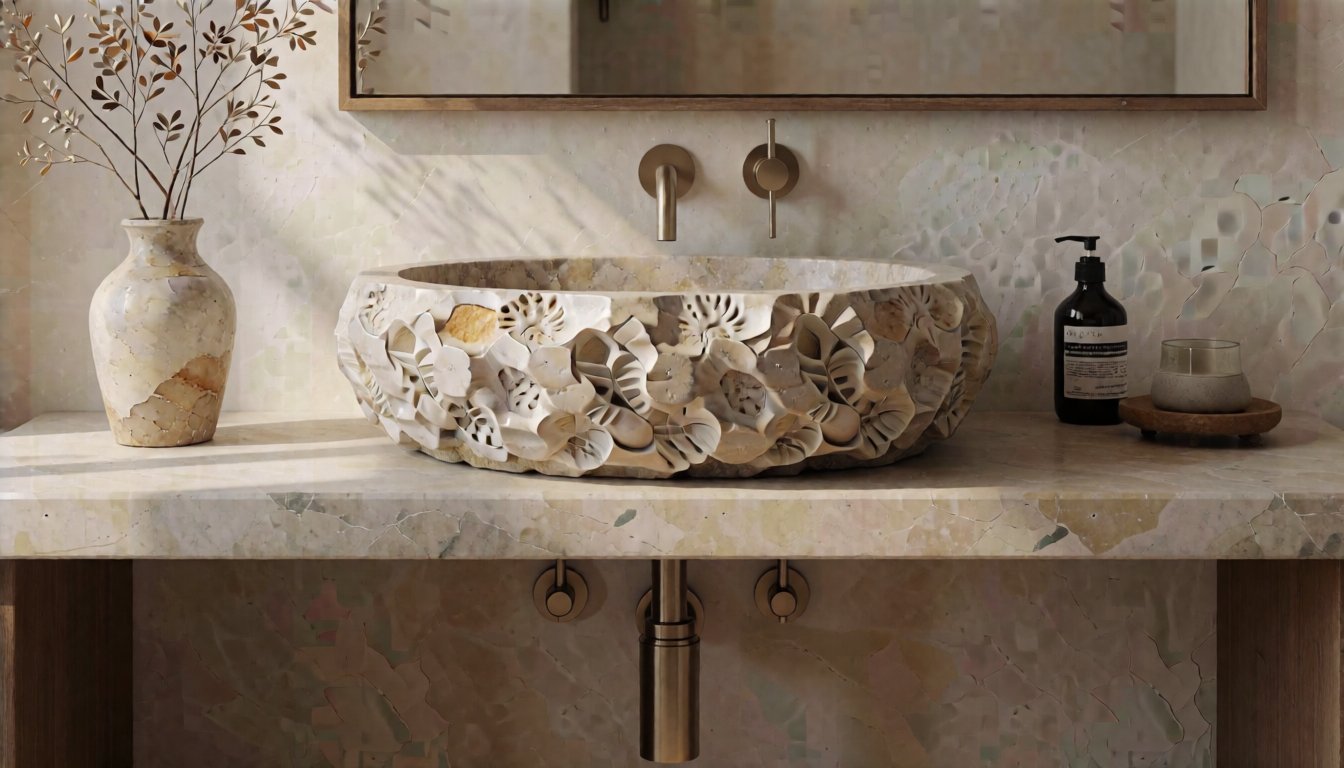
Choosing between vessel sink vs undermount or drop-in stone sinks requires more than just aesthetic preference; it demands a clear understanding of installation constraints and market demand for specific stone sink styles. As an importer looking to stock inventory that sells quickly, you must evaluate how these forms factor into bathroom layouts. Vessel sinks sit atop the counter with exposed plumbing underneath, creating a dramatic vertical statement but requiring deep countertop cutouts or custom cabinets. Undermount options offer seamless cleaning and fit standard vanity depths of 18 to 20 cm comfortably. Drop-in styles are versatile for retrofit projects where existing counters have uneven edges. Your decision should hinge on which customer segment you serve: high-end designers seeking bold statements with vessel sink vs undermount debates, or wholesalers needing broad compatibility across various countertop thicknesses and materials like quartz or granite.
Understanding Structural Requirements by Sink Type
Each form factor dictates specific structural needs for your retail customers to avoid installation failures. A typical 40 cm diameter vessel sink weighs roughly 8 to 12 kg depending on the stone density and finish. This weight demands reinforced cabinet support, often requiring a plywood bottom sheet at least 19 mm thick rather than standard particleboard. If you source marble or travertine for your stone sink styles inventory, ensure buyers know these materials are heavier than engineered quartz counterparts. A heavy slab vessel can crack if not centered perfectly over the waste pipe, leading to water damage claims later.
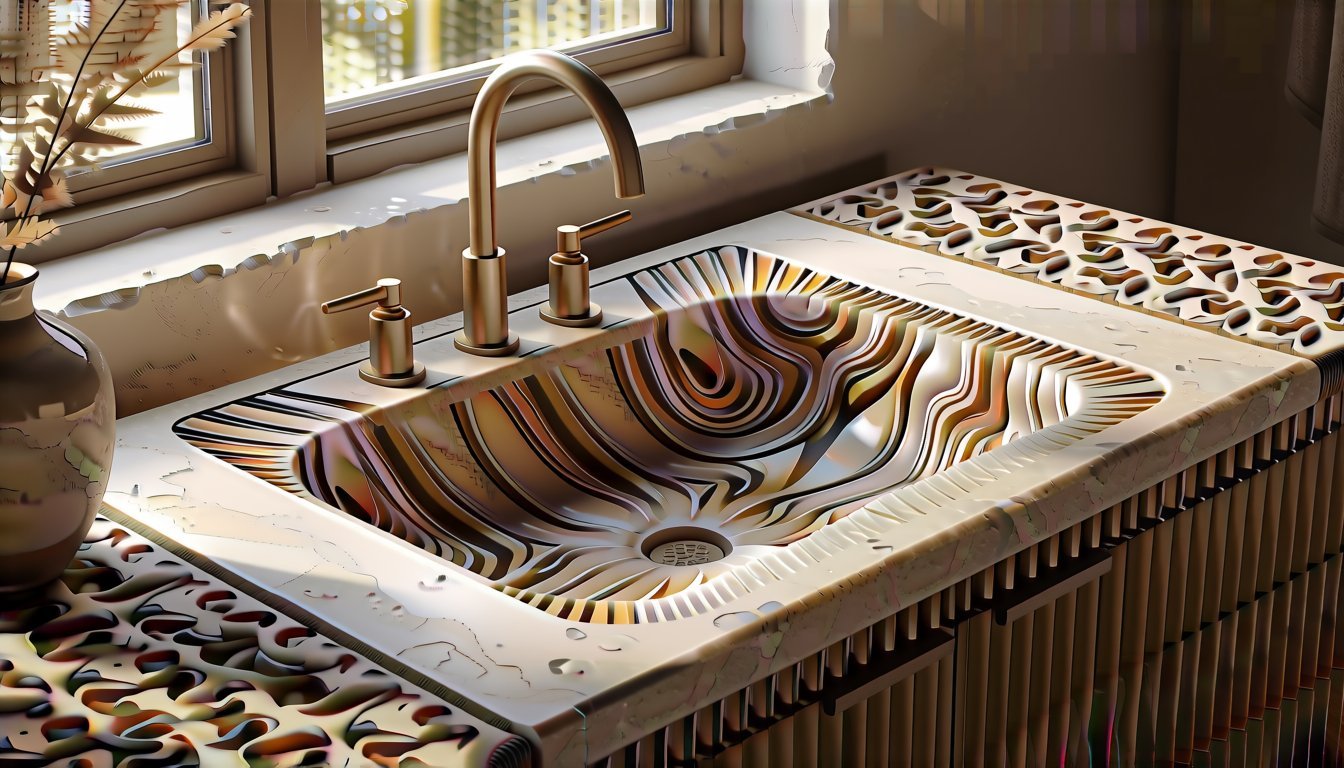
Undermount basins generally weigh between 15 and 25 kg based on size and stone type. They rely heavily on a silicone sealant bead or epoxy adhesive for waterproofing during installation. This makes them ideal for dropshipping scenarios where you cannot control the installer’s skill level, provided the packaging includes extra caulk tubes in each carton. However, if the customer cuts holes too small by even 5 mm on their stone countertop, fitting an undermount becomes impossible without damaging the adjacent surface. You must advise your retail partners to measure vanity depths accurately before ordering bulk quantities of marble sink types.
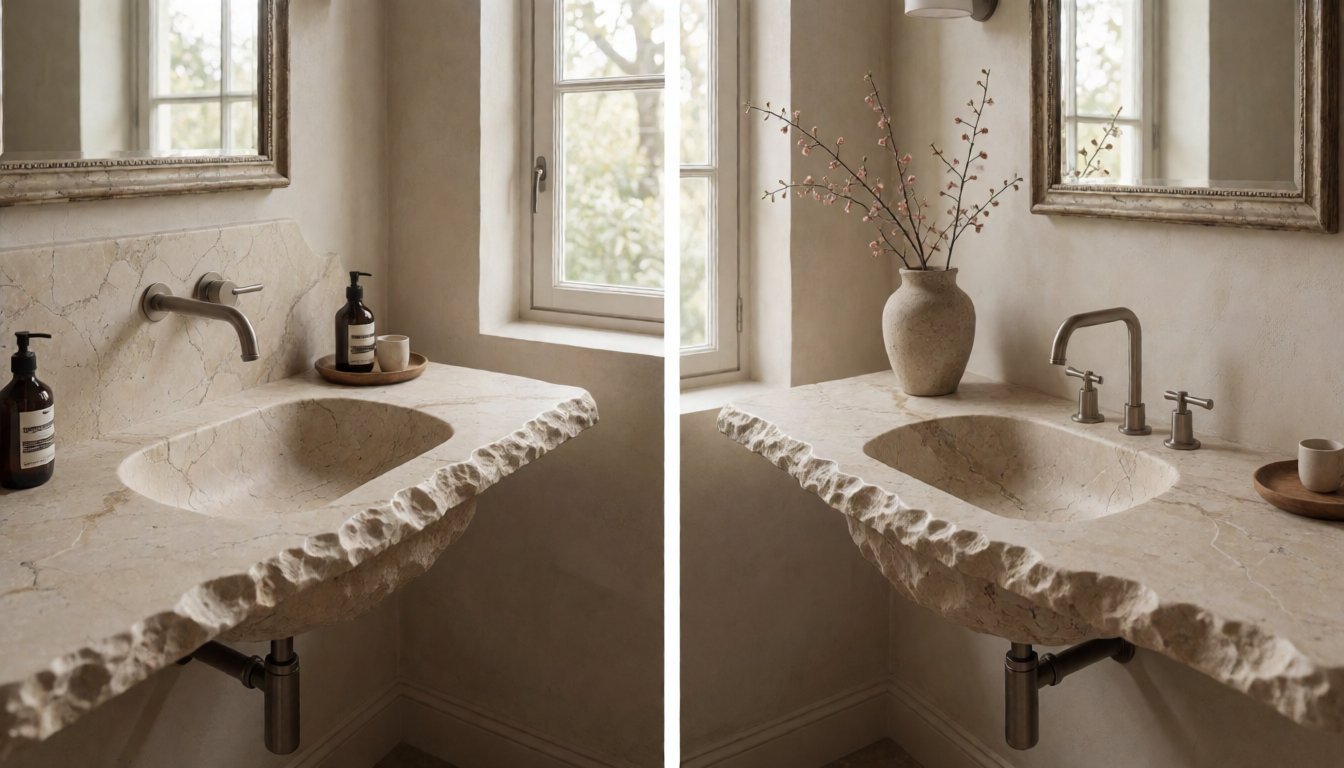
Drop-in sinks are lighter than undermount units but still require precise hole sizing matching the basin flange depth. These often come with a thick stainless steel or brass collar that sits on top of the counter, masking minor cuts in natural stone. This feature reduces returns due to fitment issues compared to edge-mounted alternatives. For wholesale buyers operating tight margins, drop-in options frequently offer better value because they can be sold as replacements for existing vanities without requiring full cabinet replacement projects.
Installation Complexity and Labor Costs Matter Most
Labor costs are a hidden variable that determines your final landed price per unit. Vessel sinks often command higher retail prices not just from material costs but also due to the specialized labor required. Installers must run new P-trap lines vertically through finished cabinetry, which can involve cutting through drywall or wood backsplashes. This extra step adds 15% to 20% to installation time compared to drop-in models where plumbing connects directly under a standard sink deck height of roughly 8 cm above the counter surface.
When calculating your wholesale margins, factor in that vessel sink vs undermount comparisons often show vessel units generating higher unit revenue but with lower volume potential due to niche appeal. Undermount and drop-in styles are more universally accepted by mainstream homeowners renovating older homes where plumbing is already configured for standard heights. If you target interior designers who specify high-end fixtures, presenting a range of stone sink styles allows them to mix vessel drama in primary baths with practical undermounts in powder rooms.
Lead times also vary subtly based on complexity. Complex shapes like oval or hexagonal vessels might take 20% longer to manufacture than standard rectangular drop-ins due to CNC programming nuances. When negotiating MOQs, ask if the factory can prioritize simple geometric forms for urgent orders while batch-processing decorative cuts later. Transparent communication about production scheduling helps you manage expectations with your US and EU distributors who may face customs delays anyway.
Material Durability Concerns Across Different Forms
Material choice interacts directly with sink form to affect durability performance over time. Thin slabs used in vessel applications are prone to chipping at the rim if struck by toiletries or dropped items during daily use. Thickened edges (20 mm+) significantly reduce this risk but increase shipping weight, potentially raising freight costs from China. Undermount basins benefit from having their stone fully supported by a plywood substrate beneath the countertop cutout, reducing flexing risks that could lead to hairline fractures in softer stones like limestone or soapstone.
Drop-in units often feature thicker rims specifically designed to bear stress points where users lean against while washing hands. This structural reinforcement makes them ideal for commercial applications such as spa treatment rooms with high foot traffic. When sourcing marble sink types, always verify that the supplier uses heat-treated stone capable of handling thermal shock from hot water without cracking, especially critical for deeper basins holding standing water overnight.
For B2B buyers concerned about warranty claims and return rates, prioritize suppliers who certify their adhesive bonding processes meet international standards regardless of installation method. Request samples sealed with different types of silicone to test resistance against mold growth in humid climates common in coastal regions where many dropshippers operate. Proper sealing extends product life by years, protecting your reputation as a reliable partner for wholesalers and design firms alike.