A penetrating stone sealer is an impregnating treatment that soaks into the stone’s pores and lines them with a hydrophobic barrier, rather than coating the surface. In 2026, fabricators and homeowners overwhelmingly choose penetrating sealers over topical films because they protect from below, preserve the natural finish, and never peel, yellow, or trap moisture.
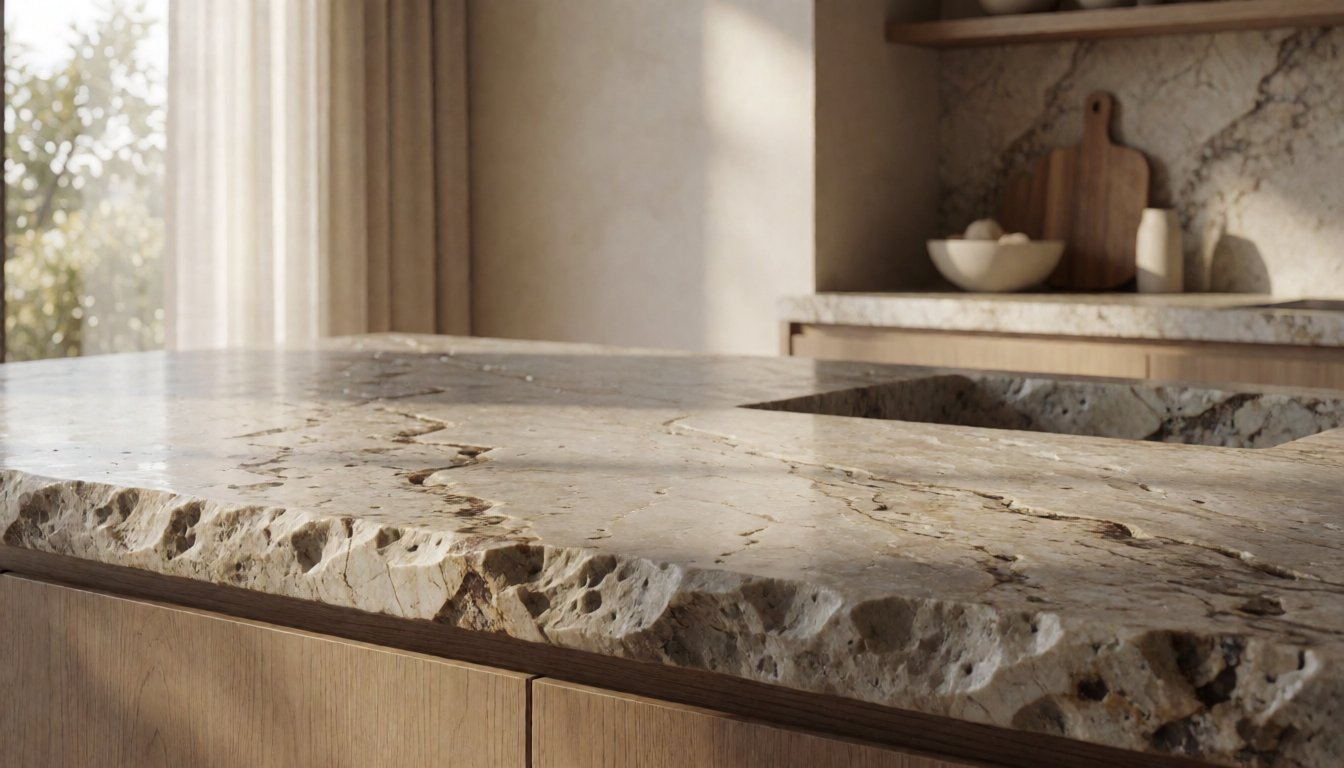
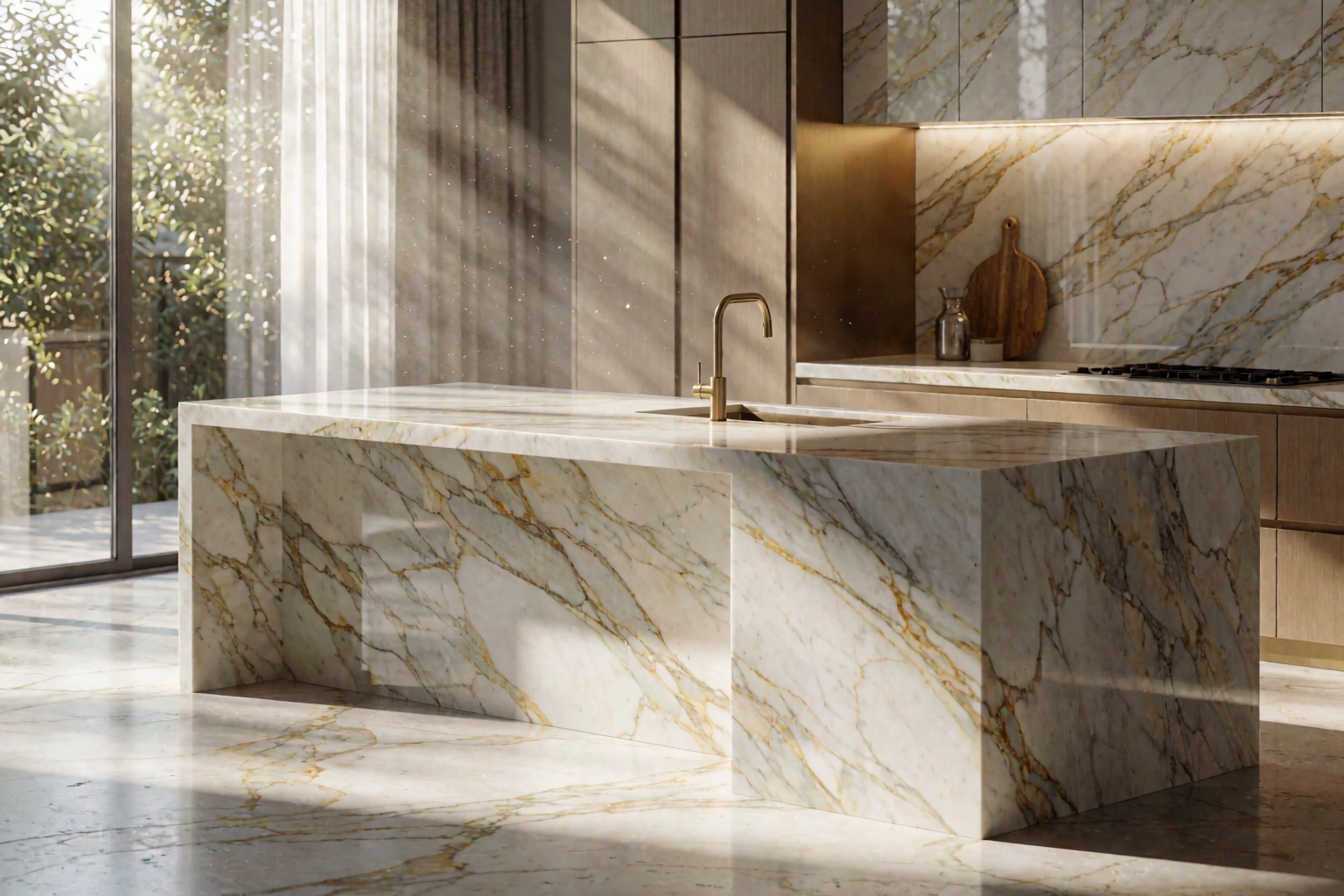
What Is a Penetrating Sealer?
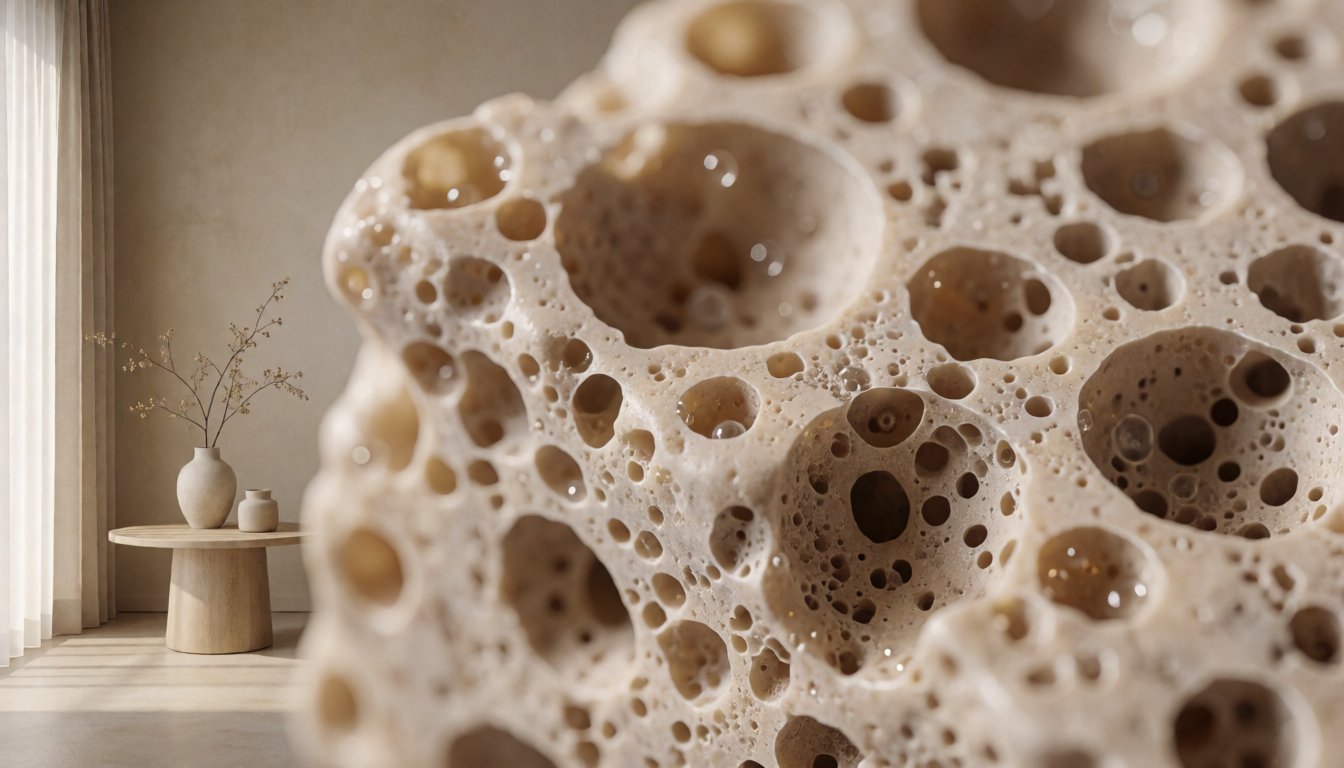
A penetrating (or impregnating) sealer uses silane, siloxane, or fluorocarbon resins that migrate into the stone’s capillary channels and line the interior walls. Liquids then bead on the surface instead of being drawn in by capillary action. The stone still looks and feels like stone — no sheen, no film, no change to the honed or polished finish. Because the protection lives below the surface, it cannot be scratched off by foot traffic or utensils, making it the most durable choice for kitchen islands, bathroom vanities, and floors.
Penetrating vs. Topical: Why 2026 Specifiers Choose Impregnating Sealers?
- Breathability: Penetrating sealers let vapor escape; topical films trap moisture and can cause blistering or efflorescence.
- Longevity: Impregnators last 2–5 years; topical coatings peel and need stripping within months in wet areas.
- Appearance: Penetrating keeps the natural finish; topical adds a glossy “wet look” that yellows under UV.
- Protection location: Below-surface barrier resists wear; surface film is fragile and scuff-prone.
| Attribute | Penetrating Sealer | Topical Sealer |
|---|---|---|
| Mechanism | Soaks into pores | Film on surface |
| Look | Invisible, natural | Glossy / wet |
| Durability | 2–5 years | Peels in months |
| Best for | Most natural stone | Slate, color-enhance only |
The water-drop test confirms whether a penetrating sealer is still working: place a teaspoon of water on the stone and wait 10 minutes. If it beads and the stone beneath stays unchanged, the seal holds; if a dark wet circle spreads, the sealer is depleted and must be reapplied. Reseal schedules vary by stone — marble every 1–3 years, granite 3–5, quartzite 2–3, travertine 1–2, limestone 2–3. Crucially, sealers block stains but do not prevent etching: acidic spills still react with calcite stones like marble and travertine, so pH-neutral cleaning remains essential. Solvent-based silane/siloxane leads for high-use surfaces, water-based for low-VOC indoor work, and fluorocarbon for maximum life. Apply two thin coats, buff off excess, and allow 24–48 hours cure before exposure.
How to Apply a Penetrating Sealer Correctly?
- Clean and dry: Wash with a pH-neutral stone cleaner and let the surface dry fully — at least 24 hours for porous stone.
- Apply thin: Use a lint-free cloth or foam applicator in 4 sq ft sections; let dwell per label (5–30 min).
- Buff excess: Wipe all surplus before it cures to avoid hazy residue.
- Second coat and cure: Repeat, then wait 24–48 hours before any liquid contact.
Frequently Asked Questions
Does sealing stop etching on marble?
No. Sealers reduce staining but do not neutralize acid; lemon, vinegar, and wine still etch calcite stones, so clean spills fast.
How often should I reseal?
Run the water-drop test; most marble needs resealing every 1–3 years, granite every 3–5, travertine every 1–2.
Can I seal stone myself?
Yes — with a clean, bone-dry surface and a quality penetrating sealer, DIY application matches professional results.
Glady Stone: Stone Care for Long-Term Value
Glady Stone pairs every marble, travertine, and granite surface with care guidance and recommends penetrating sealers to protect wholesaler and client investments for decades.
Learn more in the Glady Stone natural stone care guide for 2026 maintenance schedules and product specs.