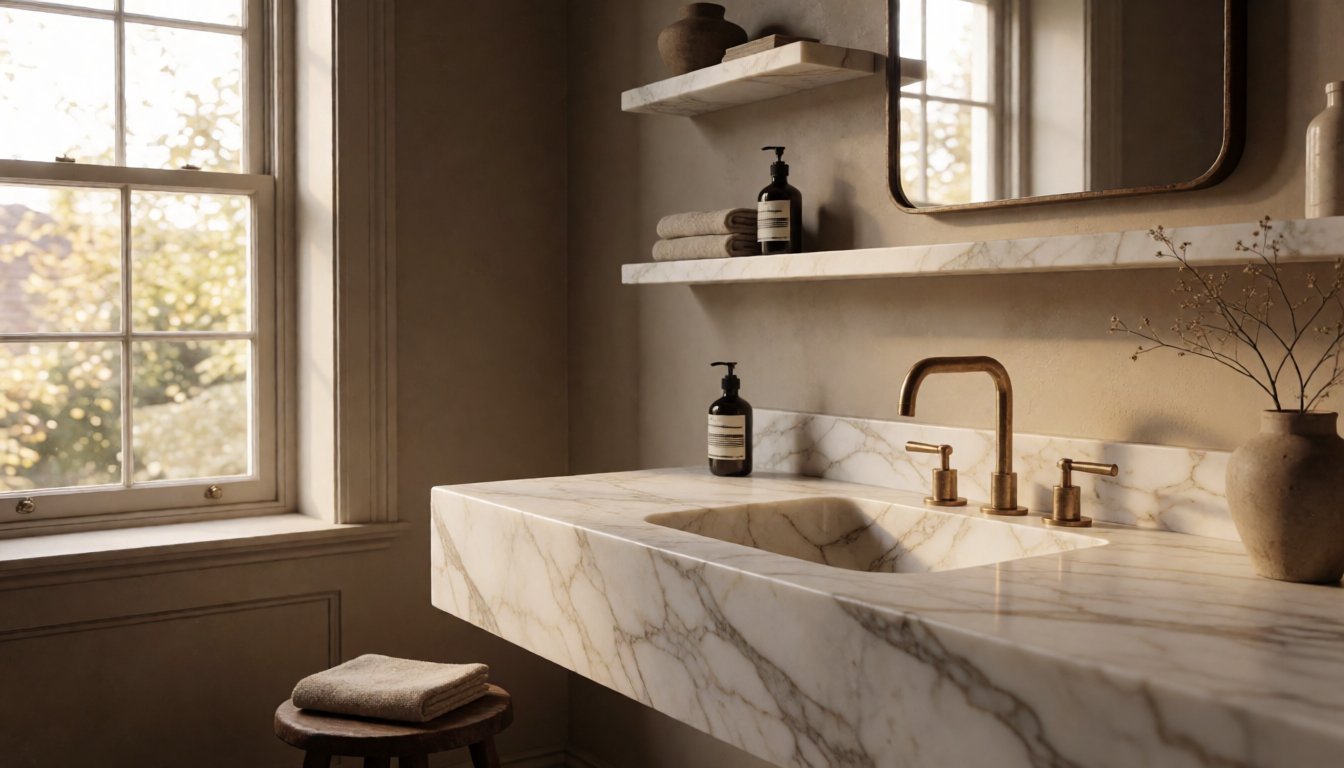
Launching your own stone furniture line often feels like an impossible task for small brands or new dropshippers in North America and Europe. The barrier seems to be the factory floor itself—the massive kilns, the heavy machinery, and years of production experience required to carve marble or quartzite into sinks, bathtubs, and dining tables. You don’t need that infrastructure anymore. By partnering with a specialized manufacturer like Gladystone, you can bypass the capital expenditure needed for stone processing plants entirely. This article explores how white label stone furniture allows you to build a distinct brand identity while leveraging established Chinese manufacturing capabilities without ever owning the factory walls or bearing the fixed costs of raw material inventory.
The Reality of Sourcing Stone Furniture as an Importer
When you decide to source white label stone furniture, your first misconception is likely about cost versus control. You might assume that buying direct from China means paying a fraction of US retail prices and getting unlimited stock instantly. In reality, the economics are more nuanced. Shipping natural stone is heavy; shipping granite or quartzite slabs can cost significantly more than shipping lightweight resin alternatives. A standard 60-inch vanity sink weighs roughly 45 to 60 kg depending on thickness (2cm vs. 3cm). That weight drives up freight rates and insurance premiums immediately upon booking the container.
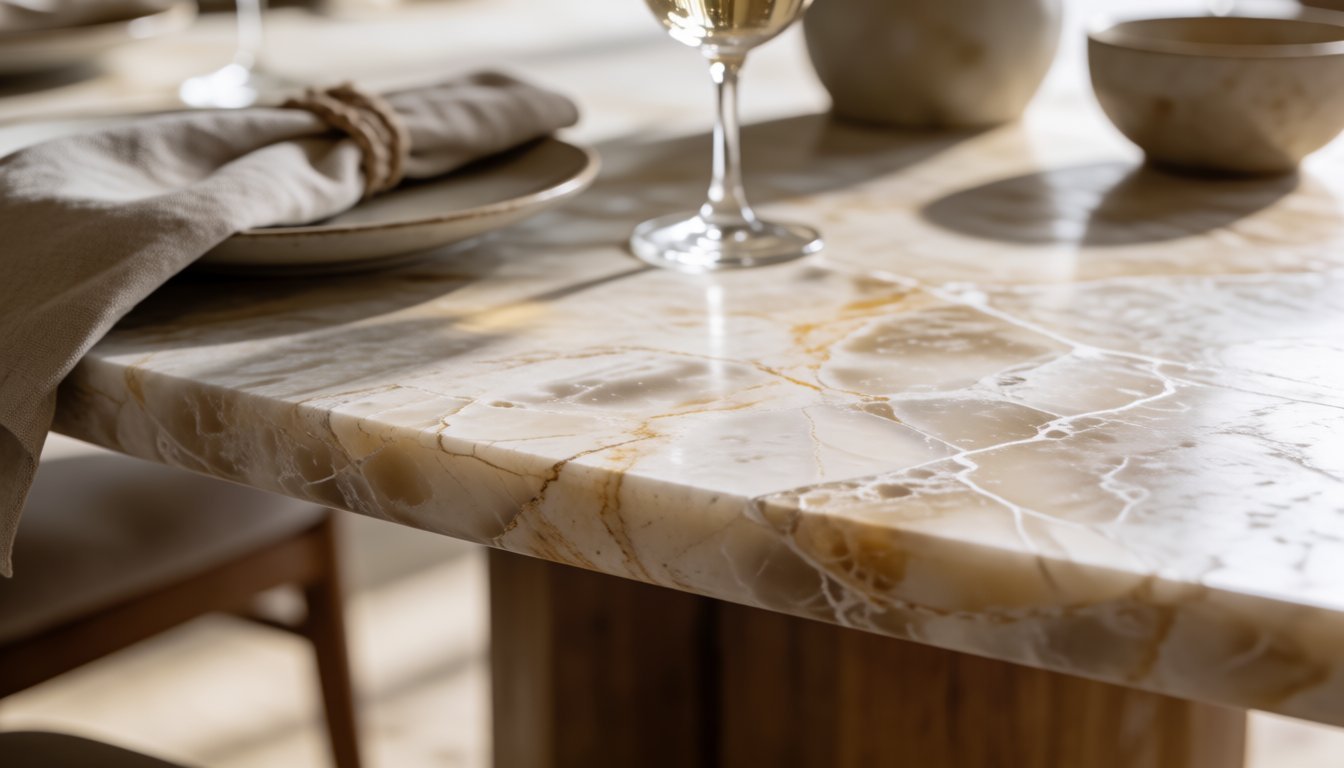
Furthermore, lead times are not instant. While digital goods ship in two days, stone furniture requires production before shipping. A typical order for a batch of custom vanities might take 15 to 20 days after payment clears at the factory, plus another 35 to 45 days for ocean freight from Shenzhen or Foshan to your West Coast warehouse. You must factor in port congestion and customs clearance delays which can easily add 7 additional days unpredictably. Your brand promise relies on managing these timelines accurately with your end customers.

Understanding Lead Times and Production Capacity
To run a successful stone brand without factory ownership, you must respect production cycles. A new client asking for “white label” items often expects immediate customization of every single piece. Most established factories operate on batch runs to maximize efficiency in the kilns and polishing lines. If you request 50 units of a specific design with custom engraving or unique veining selection, expect longer wait times than ordering from an existing catalog range.
For high-volume wholesalers, Gladystone can optimize scheduling to prioritize your container load once specifications are locked down. However, mixing standard catalog items (like a classic vessel sink) with deep-custom projects in the same shipment often disrupts workflow and increases costs. Always separate “off-the-shelf” products from true bespoke jobs. Off-the-shelf private label marble pieces might ship within 3 weeks of order confirmation because molds are already cast and slabs cut. Custom shapes, such as organic free-form fireplaces or uniquely carved dining tables with specific dimensions (e.g., a table top measuring exactly 180×90 cm), require dedicated machine time that pushes lead times to 45 days minimum.
Quality Control: What You Must Inspect Before Shipment
Since you cannot physically walk the factory floor daily, your brand’s reputation hinges on rigorous pre-shipment inspections (PSI). Do not rely solely on photos sent by sales agents; request video walkthroughs of the specific production line handling your order. Key checkpoints include checking for hairline cracks in stone that occur during cooling after firing, verifying edge finishes are consistent across a batch, and ensuring polishing grades meet international standards like ASTM D6013 or EN 295.
Specific defects to look out for before authorizing the final container release:
* Veining consistency: Natural stone varies; ensure your quality team documents which slab numbers go into each unit so you can track batches later if a specific quarry run has issues.
* Edge integrity: Check that 2cm polished edges do not chip during loading onto pallets (usually Euro-pallet sized at approx 120×80 cm).
* Installation hardware: Verify that stone sinks include proper silicone sealant kits and heavy-duty stainless steel brackets, as cheap plastic anchors often fail with heavy granite countertops.
Managing Minimum Order Quantities for Small Brands
One of the biggest fears when entering this market is the MOQ (Minimum Order Quantity) barrier. Many factories demand containers or thousands in upfront payments before touching a single block of stone. This locks up working capital and creates risk if your sales channel underperforms initially. Gladystone offers flexible tiers that allow smaller brands to start with lower quantities, though prices per unit rise as volume drops.
Typical MOQ structures look like this:
* Standard Catalog Items: Often 20–50 units depending on the SKU mix (e.g., buying a set of sinks and vanities together).
* Private Labeling Only: Usually requires logo stamping or specific packaging, pushing minimums to roughly 10–30 pieces per design.
* Deep Customization: If you are requesting unique dimensions or custom resin blends mixed with stone aggregates, MOQs may start at just one unit but require a non-refundable mold deposit of $500-$2,000 USD depending on complexity.
Negotiate these numbers early. Explain your brand story and projected growth trajectory; many manufacturers are willing to reduce initial stock requirements in exchange for longer-term contracts or exclusive rights to certain colorways (e.g., “Gladystone Exclusive Blue Grey” that no one else can buy). This strategy builds a stone brand without factory overhead while keeping inventory levels manageable.
Branding and Packaging Strategies Without Asset Ownership
Your branding is your only asset in this model, so make it count from day one. When discussing packaging with the supplier, clarify who owns the tooling for custom boxes or foam inserts. You generally pay a setup fee to create molds for branded cartons holding sinks (approx 60x45cm internal box size) and vanities. Expect these tools to cost between $1,200 and $3,500 USD depending on material thickness and structural complexity.
Don’t skimp here. A flimsy cardboard box that collapses during the ocean voyage ruins a premium brand image instantly. Request double-wall corrugated boxes reinforced with corner protectors made of recycled foam rather than cheap plastic peanuts which can break off inside your vanities. Include branded installation guides printed on high-quality matte paper inside every package; this adds perceived value and reduces customer support calls regarding assembly difficulties. Ensure the factory includes a “Care Guide” for natural stone, noting pH-neutral cleaning requirements specifically for marble surfaces to prevent etching from acidic household cleaners.
Pricing Dynamics: Balancing Cost vs. Perceived Value
Understanding pricing is critical when calculating your retail margins. The base cost of white label stone furniture fluctuates with global quarry prices in China and freight rates to Europe/US ports. A standard 3cm thick granite vanity top might cost you $180-$250 USD FOB (Free On Board) at the factory, while a premium quartzite or marble piece could range from $400-$600 USD per unit depending on slab rarity and vein complexity.
Add these variables to your final landed cost:
* Sea freight container rates ($$18k – $$35k for 20ft/40ft containers).
* Customs duties (typically 1-7% for stone, plus specific country fees like the US Section 301 tariffs if applicable).
* Insurance premiums based on cargo value and weight.
A realistic markup structure often targets a retail price between 3x to 5x your landed cost depending on brand positioning. If you sell luxury residential vanities at $2,800 each in the US market, ensure your total acquisition cost (including freight and duties) stays below $600-$700 USD per unit to maintain healthy gross margins after marketing spend and platform fees. Always request a detailed pro-forma invoice breaking down these costs before committing funds.
FAQ
Can I start with just one or two pieces of white label stone furniture?
Generally, no not for production runs unless you are purchasing from their existing catalog as a single buyer rather than reselling under your own brand logo. Factories operate on batch logic; producing only two sinks means paying the full machine setup cost and kiln firing cycle per piece, which drastically inflates the unit price to potentially 3-4 times standard rates. However, some suppliers allow “sample orders” or small-batch production for testing markets if you pay a higher premium fee upfront (often $15-$20 USD extra per item) and accept longer lead times of 60+ days as they must schedule your job between larger container loads.
Who owns the molds when ordering private label marble?
Ownership depends on who pays for the tooling upfront. If you pay a mold deposit (typically $500-$2,000 USD per design), legal contracts usually state that Gladystone retains ownership until you repay the principal cost through future orders or by signing an exclusive agreement granting full copyright and usage rights to your brand name on those specific designs permanently after 3-5 years of cumulative spend. Always read this clause carefully in the contract before paying any deposit for custom shapes.
What is a realistic shipping timeline from China to US warehouses?
From order confirmation at the factory, production typically takes 15–20 days for standard items and up to 45 days for customized cuts or unique designs. Ocean freight via container usually adds another 35–45 days depending on port congestion in Los Angeles/Long Beach or Rotterdam/Eurol ports. Total door-to-door lead time averages around 60 days minimum, but budget extra buffer weeks during peak seasons (October-January) when shipping volumes spike and slot availability tightens significantly.
How do I handle returns for damaged stone furniture?
Stone is brittle and prone to cracking or chipping during loading/unloading if not packed perfectly. Your contract must specify the “Claim Window” period, usually 7–14 days after receipt at your warehouse door before shipping costs apply. Clarify who bears the cost of returning a damaged item: typically for quality defects (cracks from kiln firing), the factory covers return shipping; however, damage occurring during freight or handling often falls on the importer unless specific insurance was purchased covering transit risks explicitly mentioned in the Bill of Lading documentation provided by the forwarder.
Quick Comparison
| Feature | Standard Catalog Items | Private Label / Custom Sizes | Deep Bespoke Projects |
|---|---|---|---|
| MOQ | 20–50 units per SKU | 10–30 units total mix | As low as 1 unit (high cost) |
| Lead Time | ~45 days production + freight | ~60 days with setup time | ~75-90+ days including mold prep |
| Mold Cost | None included in price | Shared or $500-$2k deposit | Full dedicated tooling ($3k+) |
| Customization Level | Color/finish selection only | Logo, packaging, slight dim changes | Unique shapes, veining blends, custom edges |